Repsol's Plataforma Educativa training program

Repsol's Plataforma Educativa training program

The traveling education program Plataforma Educativa spent 10 years on the road (2009–2019) fostering the socio-economic development of coastal communities in the Brazilian states of Rio de Janeiro, São Paulo, and Espírito Santo. Being a program carried out by us — by Repsol — on a voluntary basis, it was not tied to licensing conditions for the company's operations.

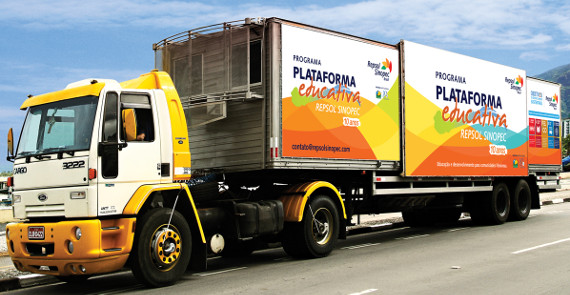
Camión de la plataforma educativa Repsol Sinopec

Plataforma Educativa

The program was designed and run by Repsol Brasil with the help of local stakeholders, communities, local municipalities, fishermen, the Brazilian Navy, etc. Together, a permanent dialogue was established to develop Plataforma Educativa's contents and route. Local management was carried out by the Costa Brasilis Institute and the Instituto Oceanográfico and the USP Oceanographic Institute, in addition to institutional alliances with the Brazilian Navy and local city governments. 

On a mobile platform truck, lectures were offered on environmental education and safety, in addition to courses aimed specifically at the fishing community such as "Safety at sea," "Fish Processing," "MAREM - Environmental Mapping for Emergency Response at Sea," and various educational activities such as the Environmental Tarot Reading and Understanding Waste. 

No less, the long-term partnership with the Brazilian Navy included professional qualification for fishermen through the courses "Level 1 Waterway Training (POP courses - Professional Fishing)" and "Auxiliary Deck-Hand (MAC)."

Results of the program

10

years

of activities

27

cities

visited

+1.000

fishermen

professional licenses

+21.000

people

served by the program

450

women trained

in the fishing industry

Learn about some of our activities

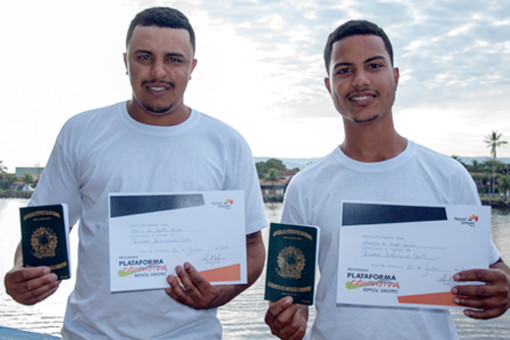
Dos hombres jóvenes sujetando diploma

This course helped finishers obtain their professional fishing license, which formalized their work registration. The course was held in conjunction with the Brazilian Navy and local government offices. In addition to the training in professional fishing, the course included classes on safety at sea, sea rescue, first aid, fire prevention and extinguishing, boat handling, and environmental education.

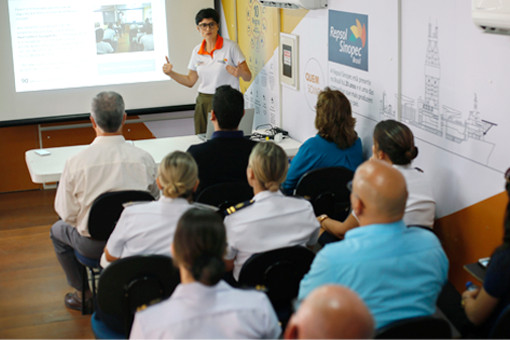
Aula de actividad formativa dentro del curso POP

This talk was offered by Repsol Sinopec's Safety and Environment team as a mandatory part of the POP course. Focused on education, this talk emphasized the importance of safety in accident prevention and respecting hazardous areas on oil and gas drilling platforms.

Mapa de sudamérica

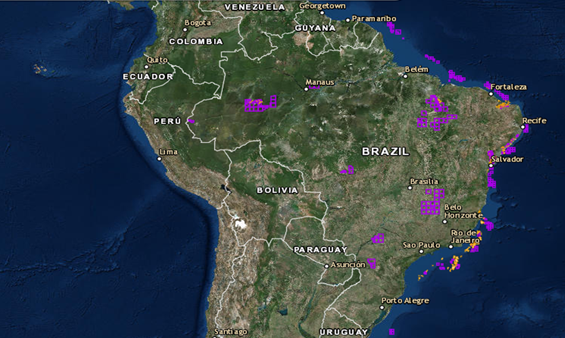
The purpose of this talk was to share this industry tool for emergency response at sea with the local community. The tool contains comprehensive information about the Brazilian coastline and coastal islands, with data obtained from the Coastal Protection and Cleanup Project and the Wildlife Protection Project that provide support in planning and management of maritime emergency response operations.

Mujeres manipulando pescado

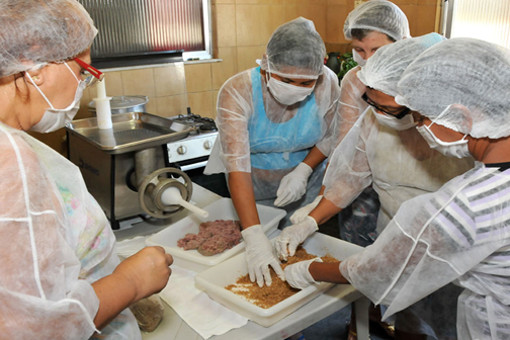
This course taught techniques to use every last bit of our food products and prevent the creation of waste. Its approach was to focus on women as an underprivileged part of the fishing industry, and aimed to stimulate their social inclusion and access to income. The course was carried out in collaboration with the São Paulo and Rio de Janeiro fishing institutes.

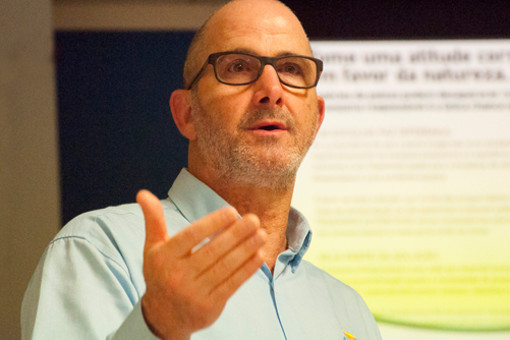
Marcelo Szpilman

A talk held by Marcelo Szpilman, Director-President of AquaRio - Marine Aquarium of Rio de Janeiro, in which he separates the facts from the common misconceptions about sharks and teaches us their importance to the health of the oceans. His talk also highlights the need to preserve fishing resources via responsible consumption and distributes the Responsible Consumption Guide developed by AquaRio.

Mujer en charla sobre educación ambiental

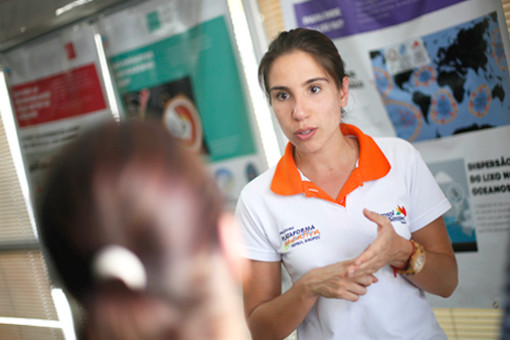
These actions helped build closer relationships with local governments and were well received by education departments, who sought good relationships.

  • Environmental Tarot: an entertaining approach to environmental issues, where the answers are all in the cards. 
  • Understanding Waste: identifying different types of waste found on the beach and at sea, possible origins, and the actions necessary to prevent and mitigate the problem.

Updated as of April 2026