
logo Repsol
Contact
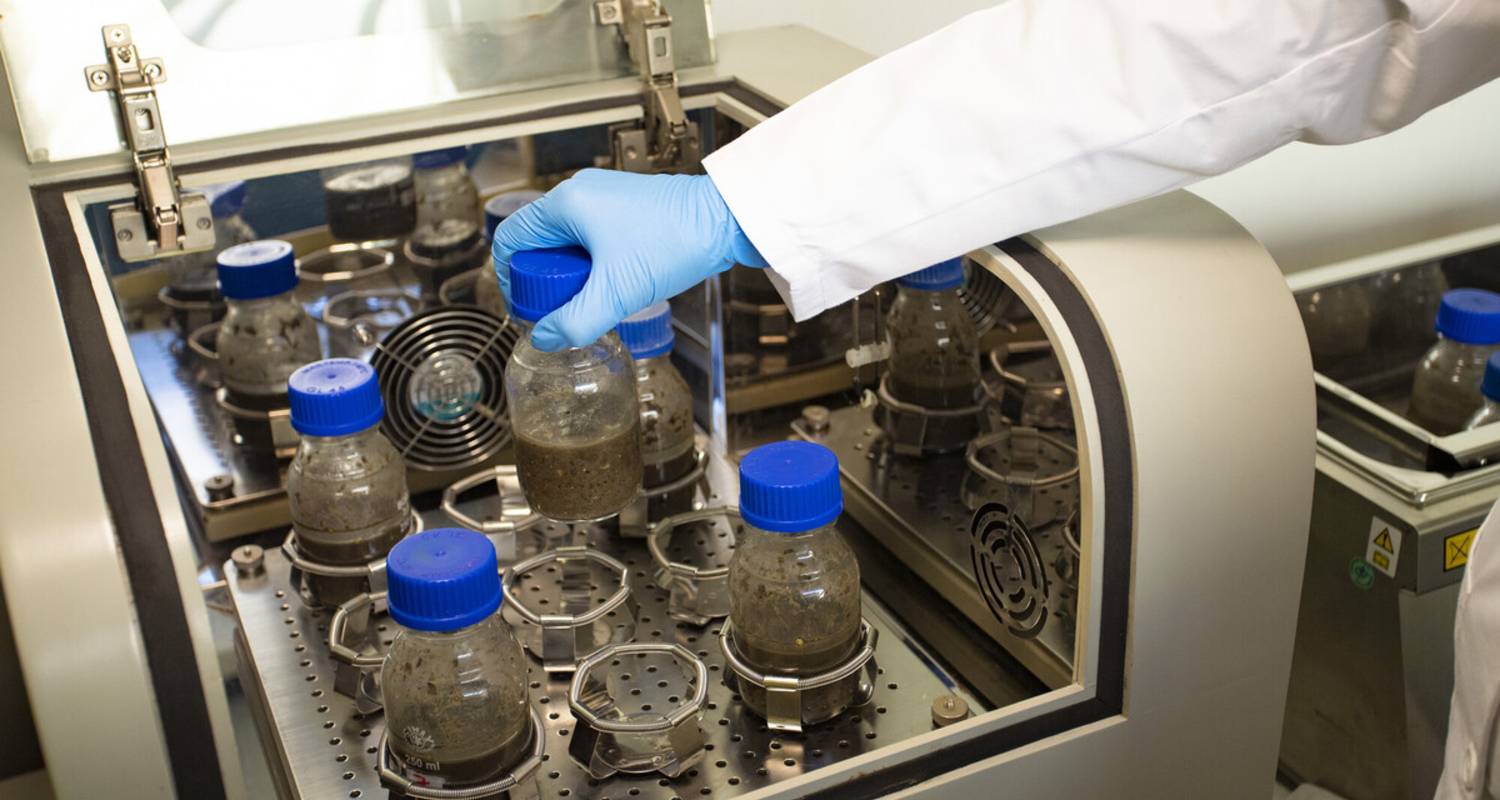
Bottles of waste. Perseo Plant

Low carbon and circular economy

We explore technologies that promote circularity


The transformation of the industry, with a focus on the circular economy and carbon management technologies, is key to advancing on the path we have set for ourselves to become a net zero emissions company by 2050.

Adriana Orejas
Director of Technologies for Industrial Transformation at Repsol Technology Lab

Technologies to transform the industry and take advantage of the resources

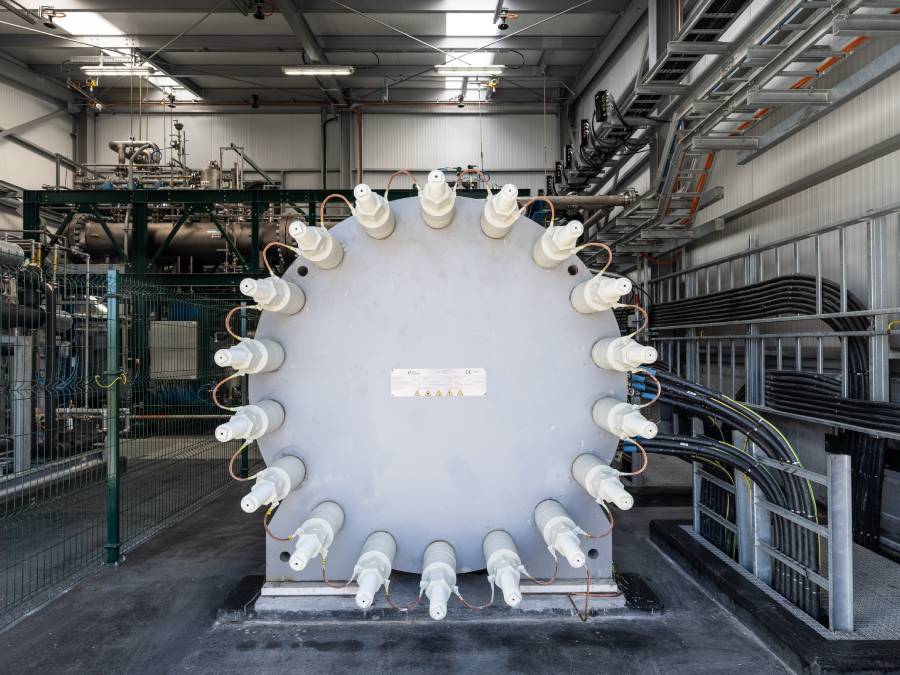
Renewable hydrogen
We are committed to this energy vector with net zero CO2 emissions for use in industry and to produce renewable fuels.
CO2 capture, use, and storage
We develop technologies to capture, transport, store, and reduce CO2 from the atmosphere.
Water management
We reduce raw water abstraction by industry and recover that water used to avoid spills.

Success stories

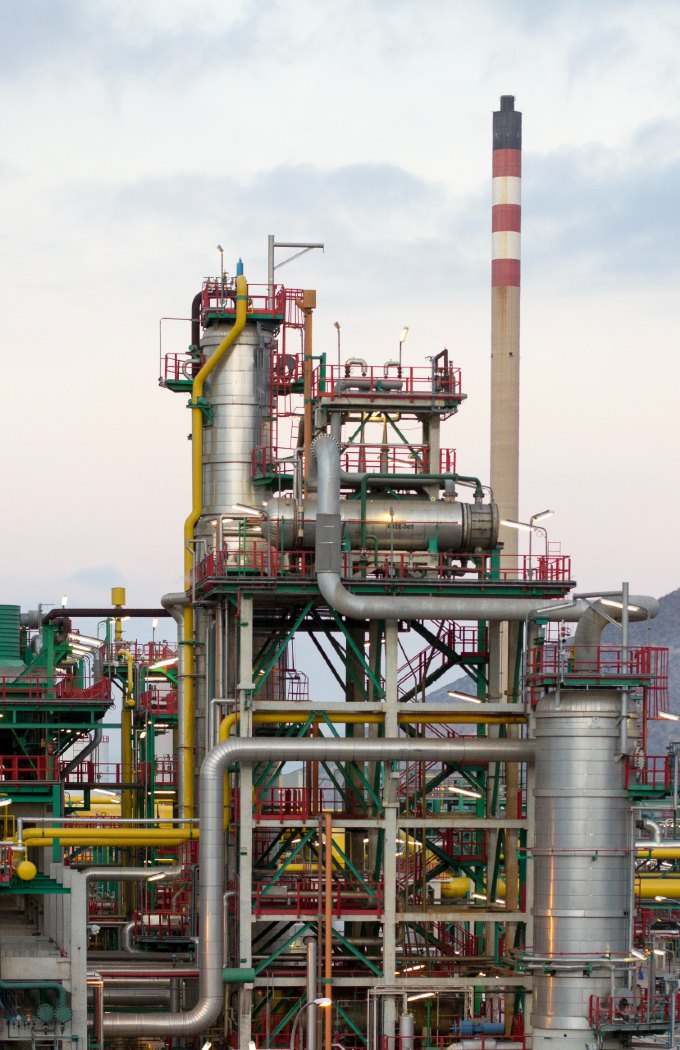
Cartagena refinery tower

In line with our commitment to emissions reduction, Repsol Corporate Venturing invested in DACMA in 2023. This start-up works with solid adsorbent direct air capture (DAC) technology. Alongside this investment, a project was launched by Repsol Sinopec Brasil using DACMA technology to install a plant with CO2 capture capacity of 300 tonnes per year, delivered in October 2024.

aircraft wing

We coordinate the "Madrid Vuela Sostenible" (Madrid Flies Sustainable) project, with the support of the Community of Madrid and the European Union, to advance in the decarbonization of air transport. Together with IMDEA Energía, ARIEMA, and EVOENZYME, we are promoting the generation and dissemination of knowledge on technologies related to decarbonization and the circular economy, facilitating the transformation of waste into sustainable aviation fuels.

Logos de financiadores de Madrid Vuela Proyecto

Visit other areas of research that drive our businesses

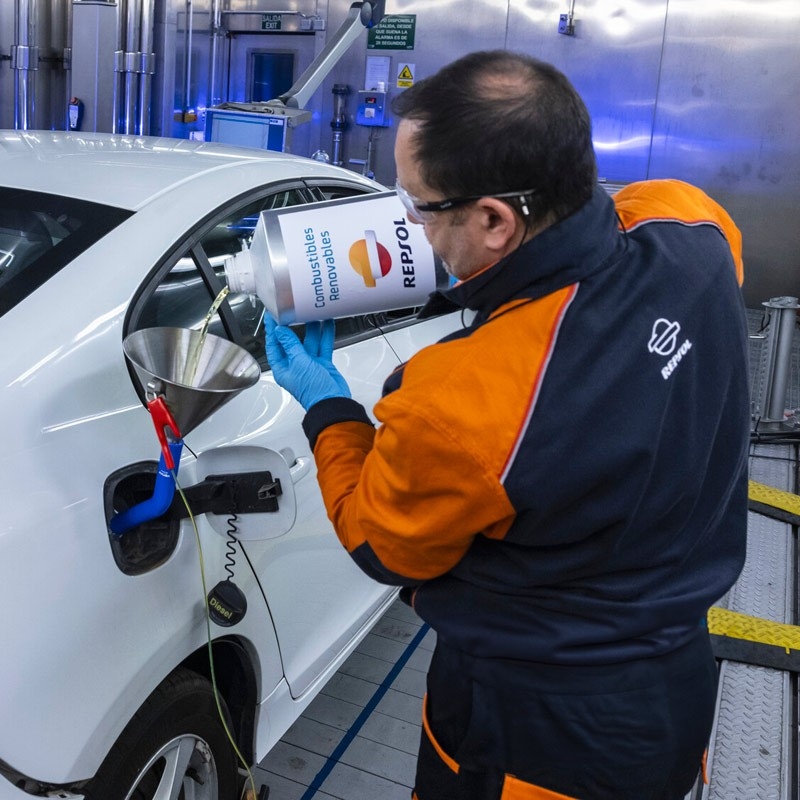
Repostando combustible renovable en laboratorio de motores

Advanced mobility and renewables

We work on the development of technologies for a responsible mobility, household energy management, energy efficiency, and renewables.

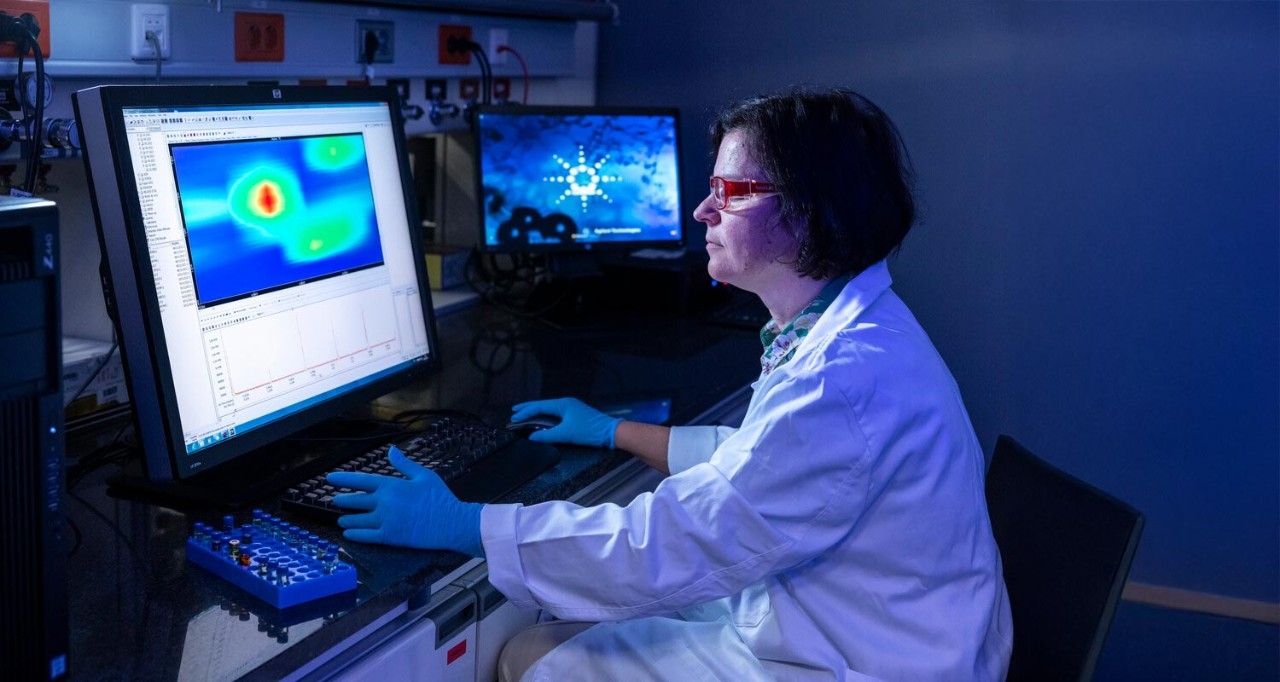
cientifica.jpg

Technologies for asset optimization

Artificial intelligence, IoT, machine learning, or robotics are the tools that allow us to accelerate the transformation of our plants and industrial processes.

Updated as of November 2025