Renewable hydrogen

Advancing in the energy transition and industrial decarbonization

We are Spain and Portugal's largest producer and consumer of hydrogen. As such, we plan to progressively replace the conventional hydrogen that we use as a raw material in our industrial centers with renewable hydrogen. Renewable hydrogen is a pillar of our strategy to transform our industrial complexes into multienergy hubs, a process with Final Investment Decisions (FIDs) approved for large-scale projects, leveraging our existing infrastructure and integrating it into the value chain.

Learn about the uses and advantages of renewable hydrogen

Learn about the uses and advantages of renewable hydrogen (in Spanish only)

A versatile energy source

Renewable hydrogen is an ideal energy source to decarbonize sectors that are difficult to electrify, such as the electro-intensive industry and heavy transport. The use of renewable hydrogen, together with low-carbon footprint renewable liquid fuels, is essential for the decarbonization of industry.

How is renewable hydrogen obtained?

  • Among the different ways to obtain it, we opt for electrolytic hydrogen, which is generated by electrolysis of water with renewable electricity. Therefore, it is called electrolytic renewable hydrogen.

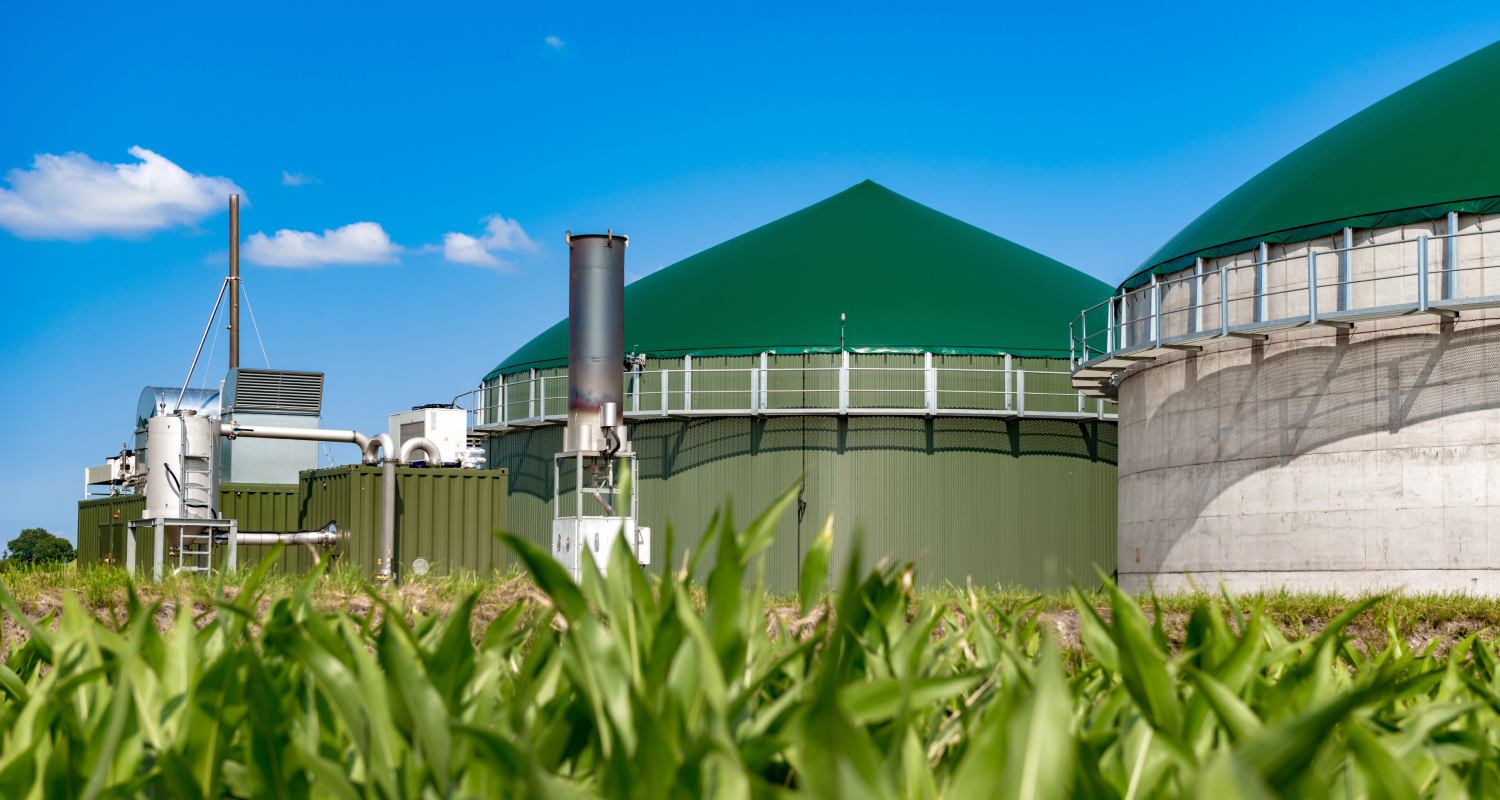
  • Moreover, it can be produced from biogas such as biomethane or biofuelgas, whose raw material comes from landfills or livestock plants, among others. The hydrogen of biological origin is also called renewable hydrogen.

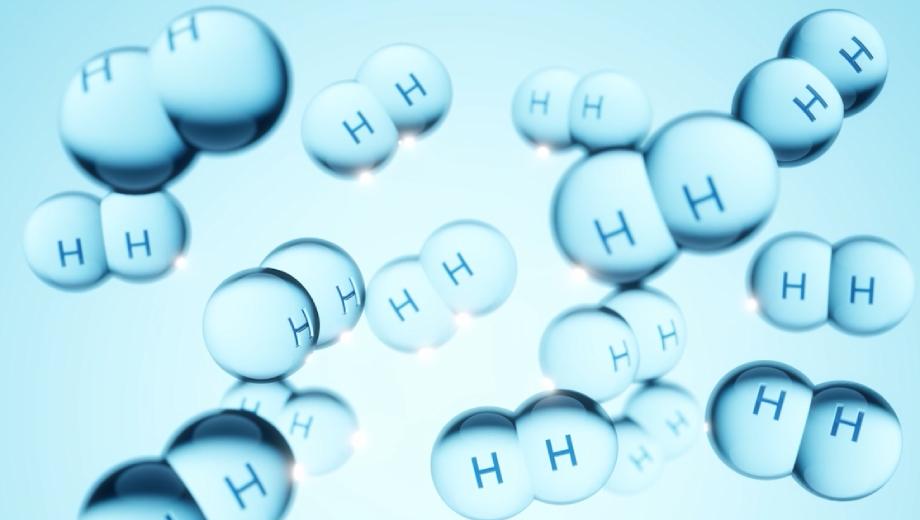
Hydrogen molecules bouncing around.

Our renewable hydrogen ambition

This ambition is backed by European institutions such as the European Investment Bank and the European Commission.  

We aim to reach an equivalent production capacity of up to 300 MW by 2028 through a disciplined growth strategy aligned with regulation, the market, and profitability. 

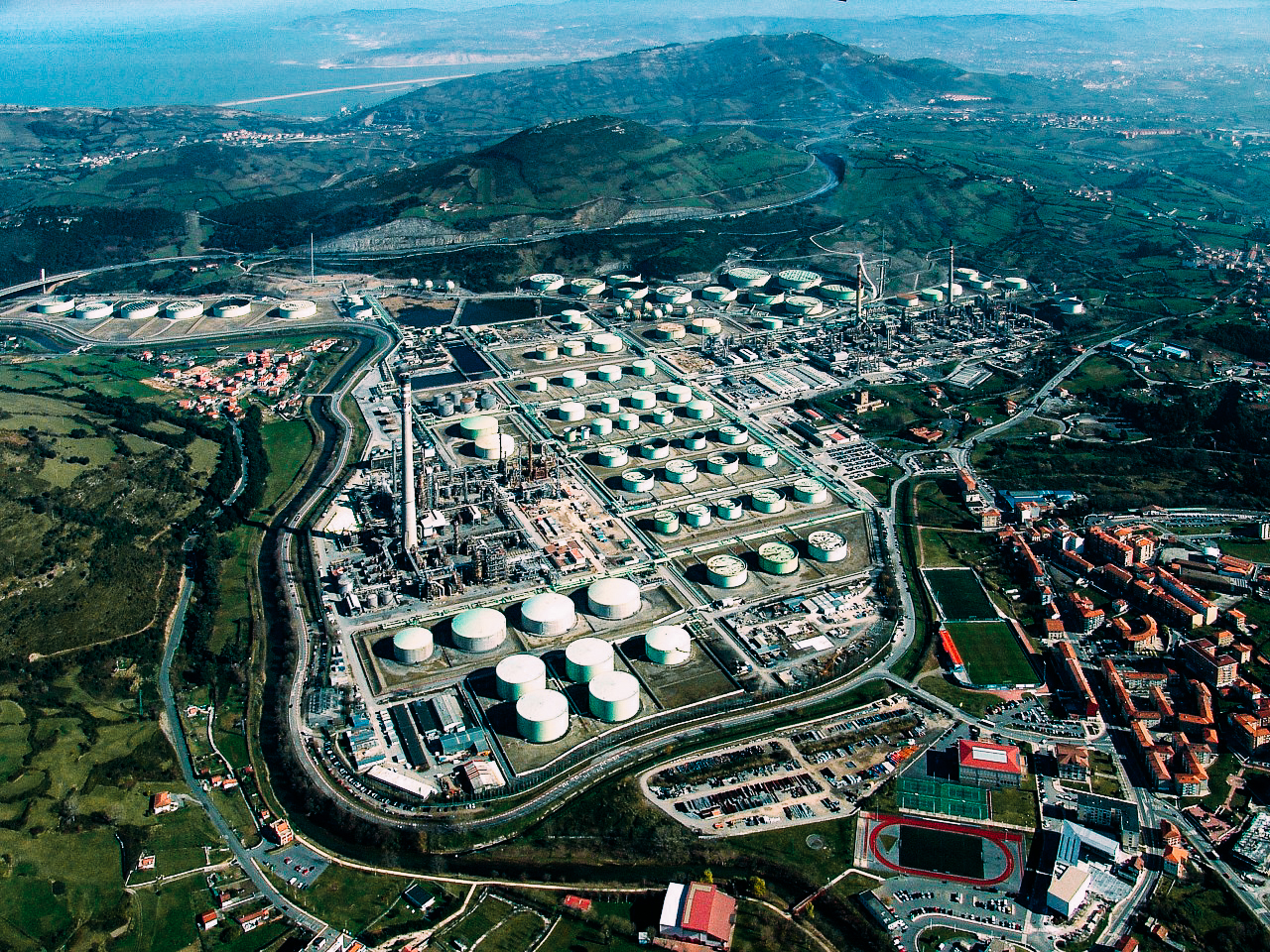
Hydrogen is a key part of our industrial processes — especially in refining, which accounts for about 80% of Spain's total consumption. That is why we prioritize hydrogen production wherever we use it, as part of the transformation of our industrial complexes. 

This model integrates the entire value chain, from renewable generation to the use of hydrogen to produce fuels and materials with a lower carbon footprint, ensuring that each project responds to real consumption needs. 

Our strategic projects

Discover some projects and initiatives in which we take part and that focus on renewable hydrogen as an alternative energy source.

Large-scale renewable hydrogen production

The aim of large electrolyzers is to produce large-scale renewable hydrogen at competitive prices that allow the development of a full ecosystem based on hydrogen. This will promote the use of hydrogen in other sectors (transportation, industrial, infrastructure etc.) and the supply chain as a whole.

  • A 2.5-MW electrolyzer at Petronor with capacity to generate 350 metric tons of renewable hydrogen per year for industrial use. 
  • Two large-scale, 100-MW capacity electrolyzers in Cartagena and Bilbao, with Final Investment Decisions (FID) already approved. Both are recognized as Important Projects of Common European Interest (IPCEI), earning them NextGenerationEU funds. The joint investment totals nearly €600 million, with €315 million in IPCEI funding. Slated to begin operating in 2029, they will produce 30,000 metric tons of renewable hydrogen per year and avoid 334,000 metric tons of CO2 annually. 
  • A third large-scale electrolyzer, located in Tarragona and with capacity of 150 MW, is scheduled for approval in the first half of 2026. 
  • At our A Coruña Industrial Complex, a new electrolyzer is being developed with the aim of producing renewable hydrogen to supply of the refinery itself and contribute, in the future, to the European hydrogen network. This project is still in the development and planning phase. 
  • In Sines, Portugal, the H2ALBA project (4 MW) uses an electrolyzer based on PEM (Proton Exchange Membrane) technology. This technology uses a polymeric membrane that allows hydrogen to be separated with great purity and with a very rapid response to changes in the available renewable electricity. Up to 600 t H2/year will thus be produced, with up to 6,000 t CO2 avoided. 
Tomás Malango
The SHYNE team.
SHYNE logo.

SHYNE, Spain's renewable hydrogen association

SHYNE (Spanish Hydrogen Network) is a multi-sectoral alliance with over 30 collaborating organizations that seeks to position Spain as a leader in renewable hydrogen technology. The project promotes the development of the entire production chain and promotes its use in transportation and the creation of key infrastructures.

Learn about the main benefits of renewable hydrogen

  1. Environmental
    It reduces CO2 emissions and improves air quality, being useful in sectors with few decarbonization options, such as the high-temperature industry, production of steel and fertilizers, and transportation of goods.
  2. Socio-economic
    The promotion of renewable hydrogen promotes industrial innovation and attracts responsible investments, as well as strengthening national energy security and reducing dependence on external sources through the use of local renewable resources.
  3. Social
    Developing renewable hydrogen from a just transition perspective will generate employment and will support local economies.
  4. Energy independence
    As it is produced in Europe, renewable hydrogen contributes to reducing energy dependence outside Europe.

FAQs on the application of hydrogen in industry and mobility

Hydrogen cell-powered vehicles have refueling times similar to those of conventional fuels (diesel, gasoline) and also a range like that of these internal combustion vehicles (approximately 600 km) depending on the size of the tank just like in traditional vehicles.

It is essential to have a clear and favorable regulatory framework that incentivizes investment in hydrogen technologies. This includes the implementation of support policies, such as subsidies and tax exemptions. Moreover, collaboration between different levels of government is crucial (national, autonomous, and local) to coordinate efforts and maximize the impact of initiatives.

In the business environment, companies must commit to innovation and the adoption of hydrogen technologies in their production processes. Repsol, for example, is already leading in this field with renewable hydrogen projects that seek to decarbonize its processes and products. Public-private collaboration is also essential to develop appropriate infrastructures, such as hydrogen pipelines and hydrogen service stations.

We are facing the multifaceted challenge of making the most of the entire potential of hydrogen energy, some of the major challenges for the implementation of renewable hydrogen are:

  • Production cost: The cost of hydrogen production, driven by the CAPEX of electrolyzers and electricity prices, is very high, which makes the economic feasibility without subsidies difficult. For the creation of the market, boost in demand, and investment in technology, European and national funds are a critical component, just like they are to develop any type of technology that is in an early state.
  • Regulatory complexity: It is necessary to avoid excessive complexity in the definition, implementation, and monitoring of this type of energy, and focus on expanding the market in a pragmatic manner.
  • Incentives and demand: Incentives are needed for the launch of new production projects and mechanisms that stimulate demand, fostering the creation of a liquid and competitive market. It is fundamental to promote the diversification of uses and demand: hydrogen is the start of new value chains beyond its direct use in industry, in other words, as energy storage, as a raw material in the production of synthetic fuels, or as a direct fuel in mobility. 
  • Legal and administrative framework: It is essential to establish a stable and favorable legal and administrative framework to decarbonization, which creates long-term certainty and attracts investors.


Hydrogen demand in Spain is growing, driven by the transition towards renewable energies. In 2023, hydrogen demand in Spain was estimated at around 570,000 annual tonnes, with an upward trend due to efforts to decarbonize sectors such as transportation, industry, and energy generation.

With regards to renewable hydrogen, although it currently represents a lower fraction of the total hydrogen demand, its participation is expected to grow significantly in the coming years thanks to investments and government support policies. Our deployment plan will be one of the main levers of growth of this energy vector in Spain.

Solutions that help us in our industrial transformation

Biogas plant

Biomethane

It contributes to the reduction of greenhouse gas emissions, makes the most of local resources, and promotes the circular economy and rural employment.

Repsol service station

Fuels of 100% renewable origin

They are liquid fuels that are made from organic waste, such as used cooking oil or nutshells.

Updated as of June 2026