Energy consumption
Energy consumption
Towards more sustainable household energy consumption
Towards more sustainable household energy consumption
Turning off your alarm clock, taking a hot shower, and asking the voice assistant what the weather is like today are all everyday actions we might do when we wake up, and all of them involve consuming energy at home. Now, by choosing efficient appliances and committing to responsible consumption, we can lead a sustainable lifestyle in addition to saving on bills.
What is energy consumption?
What is energy consumption?
Energy consumption is the total amount of energy required for a given process and is measured in kilowatt hours (kWh). This includes the use of electricity, gas, diesel, oil, and biomass.
The concept of energy consumption is directly related to energy efficiency since higher consumption results in lower energy efficiency.
It's estimated that during an hour about 1,000 watts are consumed, so this measure is used to calculate the consumption of homes, businesses, or any other type of building in order to issue the corresponding bills.
There are various factors that directly influence energy consumption such as:
- The activity that takes place in the home or business.
- The number of people in a household or workers.
- The consumption habits of each person.
- The energy performance of household appliances.
With the right information and technology, it's possible to use energy more responsibly and efficiently. This results in a reduction in energy consumption and, therefore, in significant savings on utility bills.
Household energy consumption
Household energy consumption
According to the Spanish Electricity Grid (REE in Spanish), the monthly consumption of Spanish households averages 270 kilowatts (kWh), which results in an average annual consumption of 3,272 kWh. This figure, broken down into percentages, is divided into:
Heating
Air conditioning
Kitchen appliances
Lighting
Other appliances
Find out which appliances use the most electricity at home.
In order to calculate a household's average consumption, the kilowatts of power consumed by each electronic appliance in the home must be added up. It's also important to take into account the simultaneity factor and calculate the number of electrical appliances that could stay connected to the electrical network at the same time. This information makes it possible to estimate the contracted power your home requires.
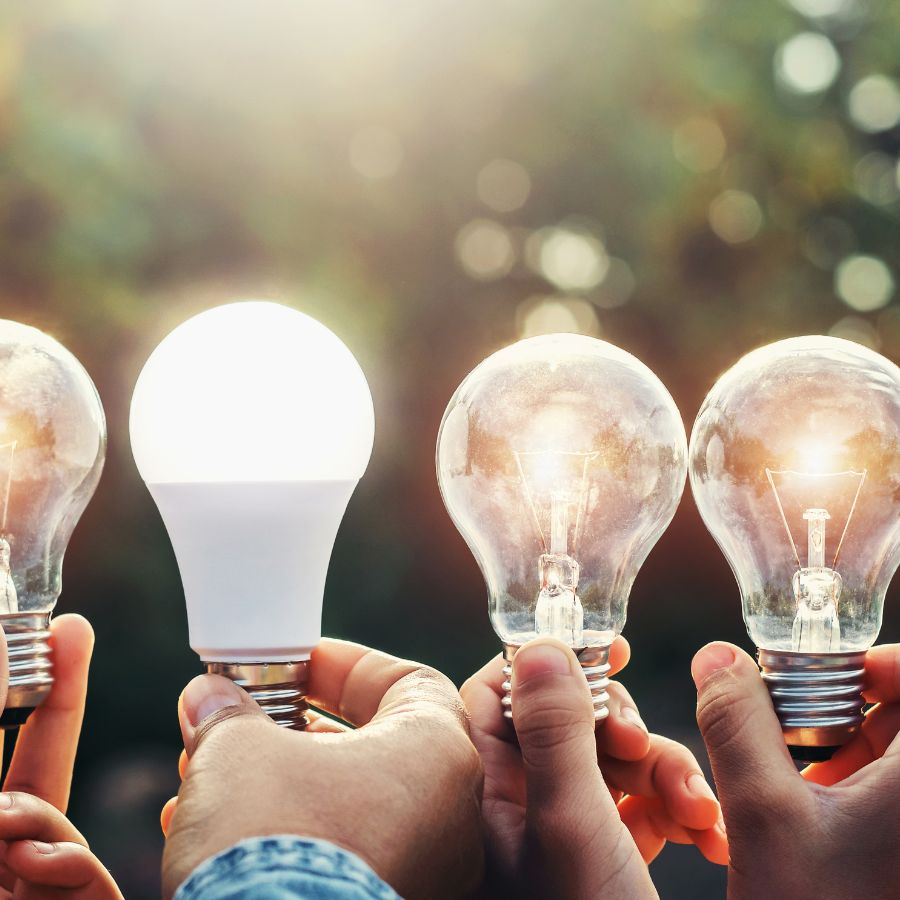
These terms are closely related but should not be confused.
The contracted power is the amount of kilowatts signed up for that are supplied to a home, office, or factory, and it must be enough to support all the electrical appliances used on the property. If this is not the case, when several electrical appliances are connected at the same time, the circuit breakers will trip.
Meanwhile, energy consumption is the amount of energy needed in a house to switch on electrical appliances.
Other terms related to energy consumption
Other terms related to energy consumption
As a way to ensure an adequate energy consumption, it's useful to become familiar with other terms such as energy efficiency, responsible consumption, and energy savings.
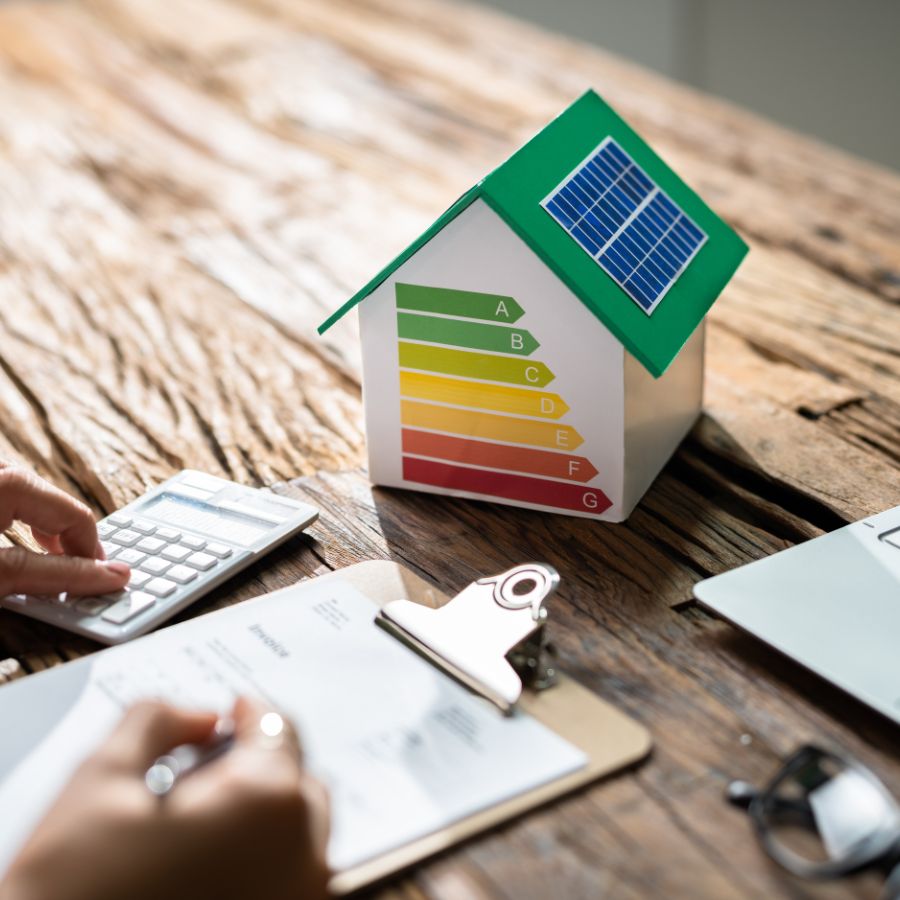
Energy efficiency is the ability to obtain the best results using the least amount of energy resources possible. Through energy efficiency, users can consume power more responsibly.
With the aim of helping buyers choose products that consume less energy while saving money, the European Union's Directive 92/75EC states that household appliances must have an energy rating label.
As a consumer, if you've ever had to purchase one of these products, you must've noticed that they all include a label showing a color scale. This is a ranking system that ranges from green to red that evaluates different parameters such as the appliance's energy consumption, the noise it can make, its annual CO2 emissions or, for example, in the case of washing machines, the amount of water it uses per wash cycle.
Understanding the label
- Class A, B, and C appliances, green color, consume the least amount of energy and are, therefore, the most energy efficient.
- Class D and E, yellow and orange colors respectively, represent medium energy consumption.
- Class F and G, red color, represent high energy consumption.
Responsible consumption and energy savings
Responsible consumption and energy savings
Responsible consumption aims to integrate social, environmental, and ethical aspects into purchasing decisions. This way, users become informed individuals who seek to minimize their ecological footprint through their actions, for instance, by choosing more energy-efficient products that are eco-friendly and save them more on their utility bill.
There are small actions we can take as consumers to save energy at home. For example:
- Plan out your laundry in order to use the washing machine when the load is full, and choose a suitable program.
- Dry clothes in the sun or air-dry them, and only use the dryer when necessary.
- Whenever possible, run the dishwasher on a full load, and select the appropriate program.
- Open the fridge as little as possible, and freeze some of the food. Filling the freezer helps maintain the temperature.
- Avoid opening the oven door when it's on to prevent the heat from escaping.
- Unplug electronic devices, such as TVs or game consoles, when they're not being used so that standby mode won't consume energy.
- Make the most of daylight hours, and switch off the lights when leaving the room.
- Use LED lights instead of traditional incandescent bulbs.
- Regularly check appliances to ensure their efficiency.
Responsible consumption
Responsible consumption
How can you reduce your ecological footprint?

Energy transition
Appliances that use the most electricity
What are they? Which ones should you choose?