Sustainable coexistence project

Human rights due diligence in Block 57

At Repsol Exploration Peru, we carry out our operations in accordance with our Human Rights Policy and our relationship with the communities around us.

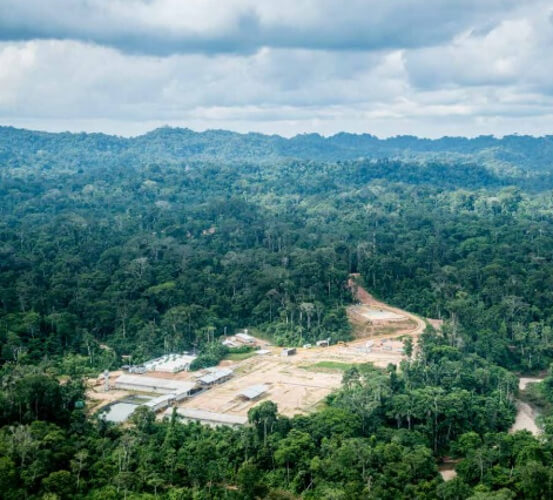
An aerial view of the Megantoni district in Cusco, Peru.

Social management in Block 57

Block 57 has indigenous communities from the lower Urubamba region, mostly of the Matsigenka, Kakintes, Yines, and Ashaninka ethnic groups, as its area of influence.

For the operation phase, we're moving towards sustainable coexistence, which is based on reputation and sustainability in the eyes of employees, contractors, communities, and other strategic stakeholders as a result of an effective performance and relationship with them. To accomplish this mission, we have several strategic pillars:

  • Impact, risk, and opportunity management

  • Social investment

  • Community monitoring

  • Negotiation

1. Impact, risk, and opportunity management

In line with our Human Rights and Community Relations Policy and in keeping with international standards such as the United Nations Declaration on the Rights of Indigenous Peoples and ILO Convention 169, we have drawn up our Social Baseline and our Human Rights Impact Study. Both processes included participatory and intercultural methodologies, ensuring the inclusion of the voices and perspectives of our communities. 

With the participation of the Nuevo Mundo, Porotobango, Kitepampani, Shivankoreni, Camisea, and Kirigueti indigenous communities, we collected perceptions, narratives, and key elements of the indigenous worldview, allowing us to more precisely identify the potential impacts from the perspective of the communities themselves. 

Likewise, in collaboration with our communities, we developed our Human Rights Impact Mitigation and Monitoring Plan, aimed at preventing and mitigating risks, enhancing positive impacts, and ensuring a respectful intervention with communities and their cultural identity.

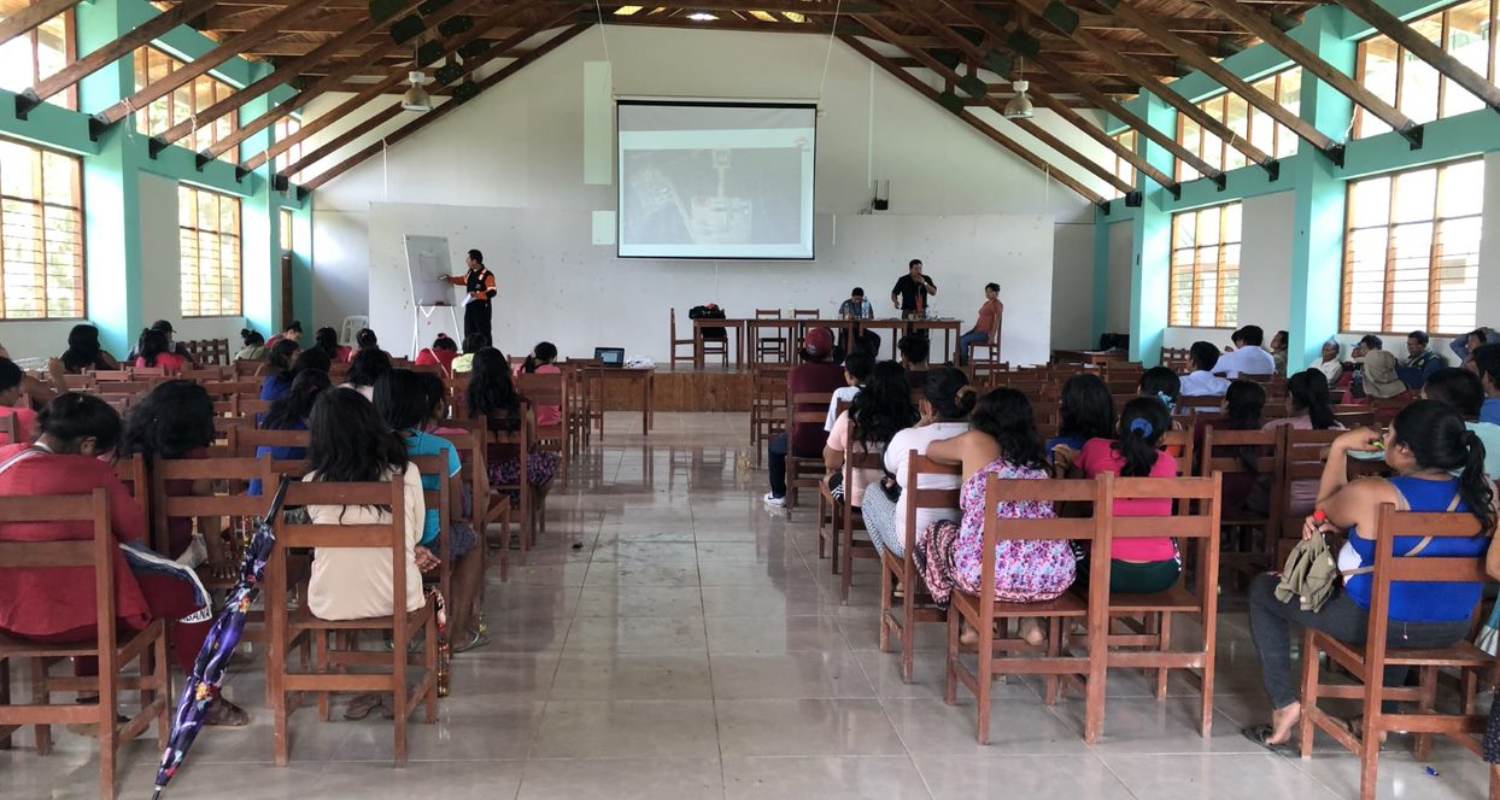
Meeting at Block 57.
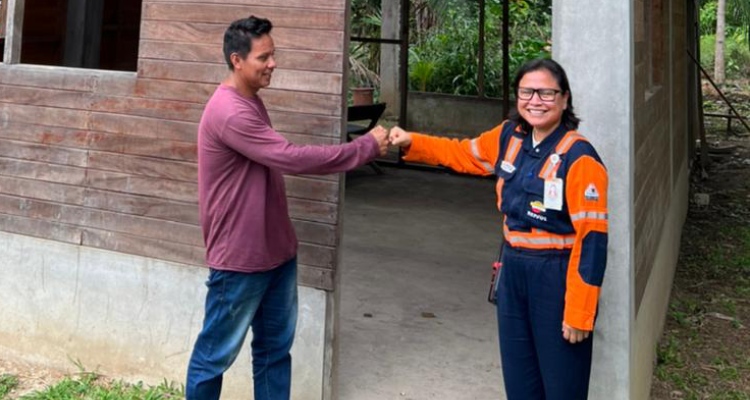
A Repsol employee fist-bumping a member of a local community.
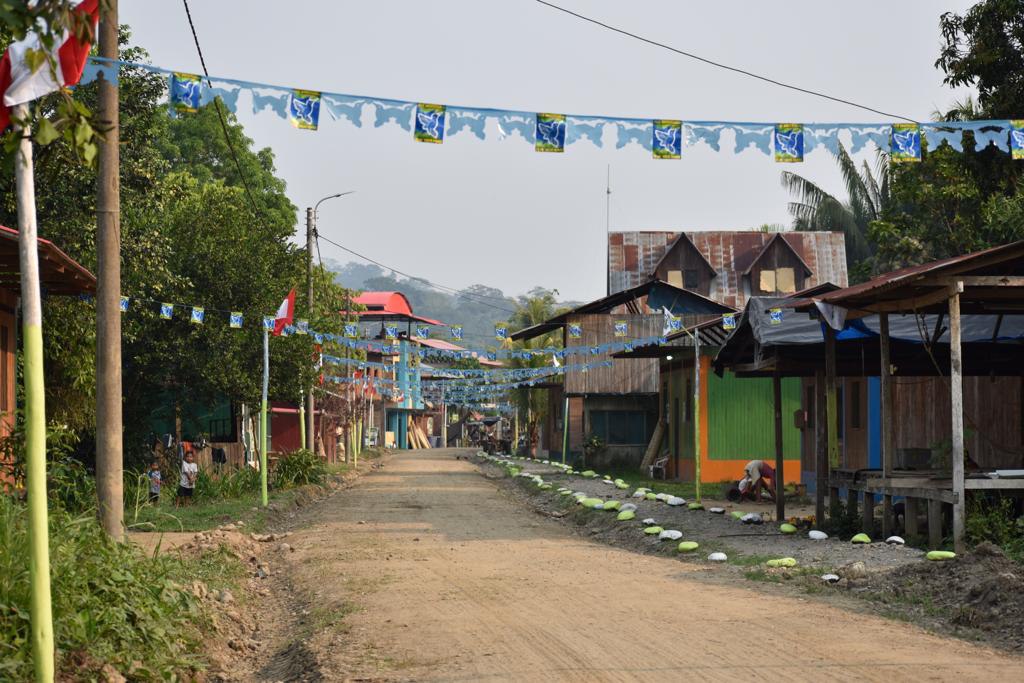
Empty street in a community nearby Block 57.

Acting as one community

The following actions are at the core of our management of impacts, risks, and opportunities:

2. Social investment

With the aim of consolidating ourselves as a strategic partner in the development of the communities in Lot 57's area of influence, we promote projects built in collaboration with the communities themselves. These include improving access to housing and basic services, strengthening the coverage and continuity of health care, skills development, promoting community governance, and promoting sustainable productive initiatives. 

These actions seek to help close gaps in social equality and expand opportunities for these communities' economic and territorial development.

Community projects

Some of the projects implemented with local communities have included:

  • Housing

    Construction of homes in the communities of Nuevo Mundo and Kitepampani.

  • Water systems

    Improving water systems in the Shivankoreni and Sensa communities.

  • Satellite internet access

    Provision of satellite internet to Ashaninka communities.

  • Livestock

    Improvement of infrastructure for the breeding of Cebu cattle in the communities of Shivankoreni and Camisea.

More social investment projects

Bags of Payanty at a Repso service station.

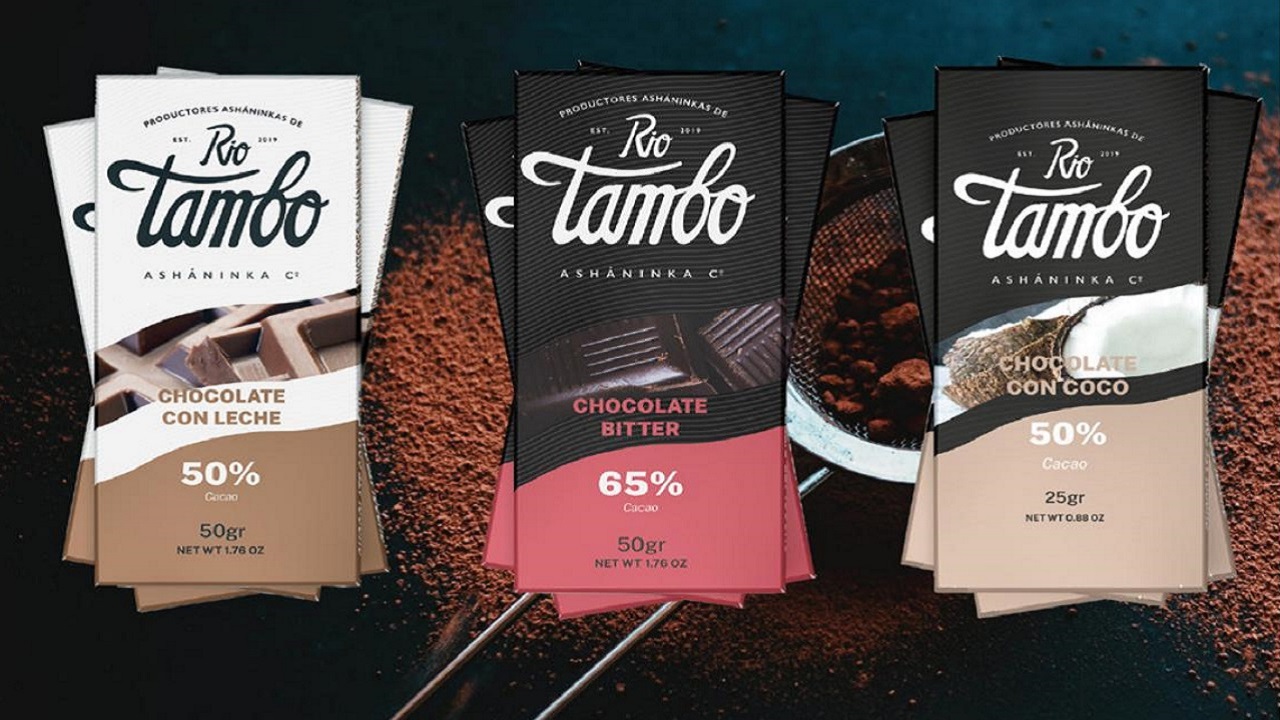
We participated in the development of the Payanty project alongside the Association of Agricultural Producers of the Native Community of Puerto Rico – Megantoni (Cusco, Peru), which promotes the production of banana derivatives such as flour and chifles (snacks derived from fried bananas), based on the daily work of families and their link with the forest. 

Our contribution has involved strengthening workers' productive and commercial skills, technical assistance, and the introduction of improvements in transformation processes within the framework of a comprehensive intervention model. 

Payanti chifles are now sold at several service stations in Lima, representing an achievement for this community that has seen the results of its work making its way into the world without sacrificing their identity.  

An indigenous woman making traditional medicine with plants.

The purpose of this program is to contribute to the safeguarding and dissemination of the ancestral knowledge of the Yine, Matsigenka, and Asháninka peoples, recognizing their sages as central players in the transmission of cultural identity.

In this context, the First Meeting of Wise Men and Wise Women of Traditional Indigenous Medicine marked a milestone in the territory, bringing together for the first time representatives of the three peoples in a joint space of exchange. There, knowledge, testimonials, and ways of understanding health and the territory were shared, in addition to dialogue with local health professionals. 

Examples of the program's educational and cultural initiatives with children include the project "Healing the Memory and Learning Traditional Medicine," the study of Yine and Matsigenka iconography, and the "Expressing My Identity" contest, which promotes artistic creation as a means of cultural transmission. These actions seek to reinforce the identity of these communities, promoting that their own voice is heard.

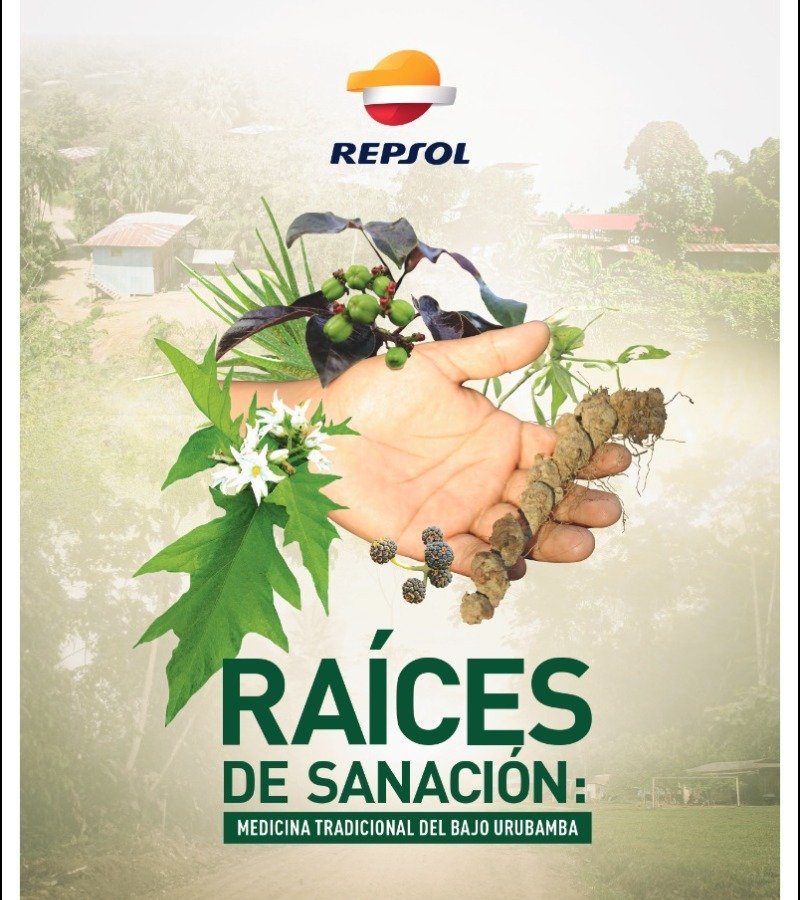
Cover of the book Roots of Healing.

One of the aspects addressed through our Human Rights Policy is working to prevent the communities that live near our operations from losing their cultural distinctiveness due to external influences. With this goal in mind, Repsol Peru and the Human Rights area created a book, Raíces de sanación: medicina tradicional del Bajo Urubamba (Roots of Healing: the Traditional Medicine of Bajo Urubamba), which collects ancestral knowledge about natural resources and how to use them for the benefit of health.

With this publication, Repsol Peru once again highlights the company's commitment to preserving and respecting the cultural traditions that have contributed for centuries to the protection of the environment and the well-being of the communities of Bajo Urubamba.

3. Community monitoring

The Lot 57 Community Environmental Monitoring Program is comprised of 20 leaders from 14 native communities in the area of influence of our operations. The program management model is based on three fundamental pillars: the promotion of strategic alliances with a multi-stakeholder approach, the implementation of the permanent monitoring process, and the development of the capacity building plan.

A Repsol employee demonstrating gas processing.
Community monitoring

Important program milestones

Under this management model, significant results have been achieved, such as the signing of an inter-institutional agreement with Perupetro:

  • 120 classroom hours of academic training and an internship at Lot 31-C.

  • Exchange of experiences with other teams of community monitors in Bajo Urubamba, generating valuable synergies.

  • Strengthening the leadership of the monitoring teams, consolidating themselves as key actors in the preservation of the environment within the Megantoni district.

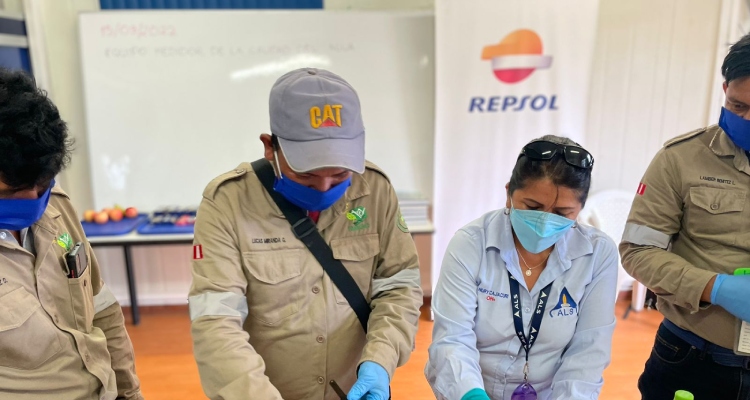
A Repsol empoloyee and others at a community monitoring activity.

4. Negotiation

Our negotiation management model includes criteria such as cultural appropriateness, transparency, and fairness throughout the process. This approach has made it possible to overcome cultural barriers and adapt processes and documents for the implementation of due diligence in a manner consistent with the reality and sensitivity of native communities. 

  1. 1
    Adaptation of internal questionnaires

    Creating a specific questionnaire for the indigenous communities of lot 57 in order to achieve a better understanding of its content and purpose.

  2. 2
    New contractual clauses on compliance

    Adapted to the sensitivity and understanding of native communities and organizations to be used in agreements and contracts.

In this way, we managed to reach consensus and integrate the company's needs with the cultural diversity and sensitivity of the communities, minimizing the risk of potential conflicts during the application of due diligence.

Updated as of June 2026