
Renewable fuels in Spain:
Renewable fuels in Spain:
A tangible opportunity for the energy transition
A tangible opportunity for the energy transition

Director of Renewable Fuels and Circular Economy
Renewable fuels are a great opportunity for Spain, and there are various facts and realities that speak to this. The geopolitical situation and the energy transition offer an opportunity to create new value chains and transform our industries, offering our customers greater supply security with more sustainable products while, at the same time, creating quality jobs in low-population-density areas. Spain has the necessary conditions to lead this change, with:
- Competitive renewable energy.
- Industrial capabilities.
- Renewable and circular raw materials.
All of this places Spain in a position of potential leadership in the transition toward renewable fuels.
With ambitious and stable industrial policies that promote the development of local value chains (raw materials, technologies, equipment, and components) and supported by public–private collaboration, predictable regulatory frameworks, and a long-term vision, Spain is looking at a golden opportunity to lead, from the cutting edge of innovation, the production of the renewable fuels that are so vital to reducing CO2 emissions in mobility and industry. Are we really going to let it slip away?
Renewable fuels: a real solution for the energy transition
Renewable fuels: a real solution for the energy transition
Mobility with low CO2-emissions is a challenge that demands realistic action. Leading international organizations such as the International Energy Agency (IEA) and the World Economic Forum (WEF) have defended renewable fuels as a realistic, effective, and necessary alternative. In the reports Delivering Sustainable Fuels and Fuelling the Future, these institutions conclude that renewable fuels are indispensable in achieving climate goals, especially in hard-to-electrify sectors such as aviation, maritime transport, and heavy road transport.
The reason is both technical and economic: due to their composition, these fuels are compatible with regular combustion engines and can be used in today’s combustion engine vehicles without modifications, while also making use of the entire existing distribution and refueling infrastructure. We don’t need to wait for the world’s entire vehicle fleet to be changed or for new supply networks to be built from scratch. We have the technology ready to reduce CO2 emissions immediately, complementing electrification in those cases where it’s out of reach and doing it efficiently.
Spain before a unique opportunity in renewable fuels
Spain before a unique opportunity in renewable fuels
Spain is facing a unique window of opportunity. According to a McKinsey (IETI) report from June 2025, Spain is consolidating its position as a European leader in the availability of renewable energy at competitive prices ahead of 2030, thanks to the low energy costs derived from our renewable mix and a highly competitive export infrastructure.
This, therefore, gives us structural advantage backed by robust infrastructure and a highly qualified human capital. For this reason, Spain is attracting significant investments in new industries, consolidating itself as a preferred destination for emerging projects linked to the digital and energy transition.
Greater development and deployment of renewable fuels would also drive greater supply security, reducing dependence amid an unstable geopolitical situation.
This strength is complemented by our refining system, one of Europe’s most efficient, which is the result of past investments that today allow us to convert fossil fuel facilities into renewable fuel production plants. While total refining capacity in the rest of the European Union has decreased since 2009 — with the closure of almost 25% of its refineries over the last two decades — Spain has safeguarded a strategic capacity that is now driving the energy transition.
Renewable fuels for greater energy independence
Greater development and deployment of renewable fuels would also mean greater supply security. Europe currently imports most of the oil and gas it consumes, which exposes us to an energy dependence affected by geopolitical uncertainty and compromises our energy security. Renewable fuels reduce this risk by extending the life cycle of domestic raw materials such as organic waste, used cooking oil, forest biomass, cover crops grown on depleted soil, and agricultural and livestock waste, turning them into high-value energy resources.
Developing these options broadens our supply mix, letting us gain industrial sovereignty and reduce exposure to external markets without giving up the stability of existing infrastructure.
This not only reduces our external energy bill, but also improves our trade balance and ensures that, in the face of international crises, we have our own capacity to keep the country connected and with lower emissions.
Reindustrialization and renewable fuels: the Repsol model
Reindustrialization and renewable fuels: the Repsol model
The energy transition must also be an industrial transition. It shouldn’t be about closing factories but transforming them so that they remain competitive and can adapt to manufacture low-carbon products.
This approach allows us to protect existing industrial jobs while creating new positions linked to the circular economy and digitalization.
Repsol, the first energy company to set the goal of achieving net zero emissions by 2050
In December 2019, we became the first company in our sector worldwide to make the commitment to reach net zero emissions by 2050. That announcement marked the beginning of a profound transformation of our industrial assets. Since then, we have aimed all our investments toward this new energy model, demonstrating that it is possible to lead the sector’s transformation from within, using technology and innovation as levers.
Renewable fuel projects at Repsol's industrial complexes
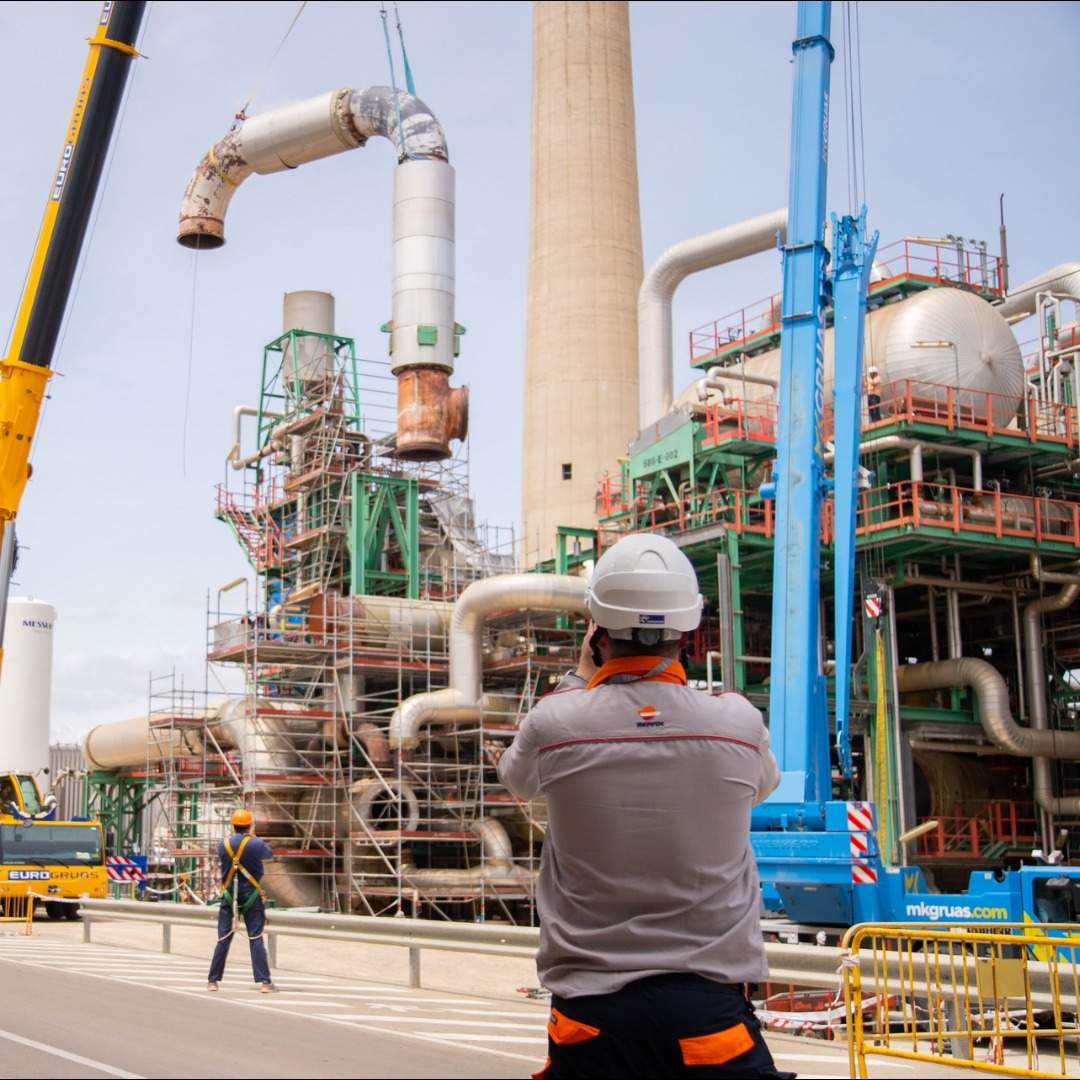
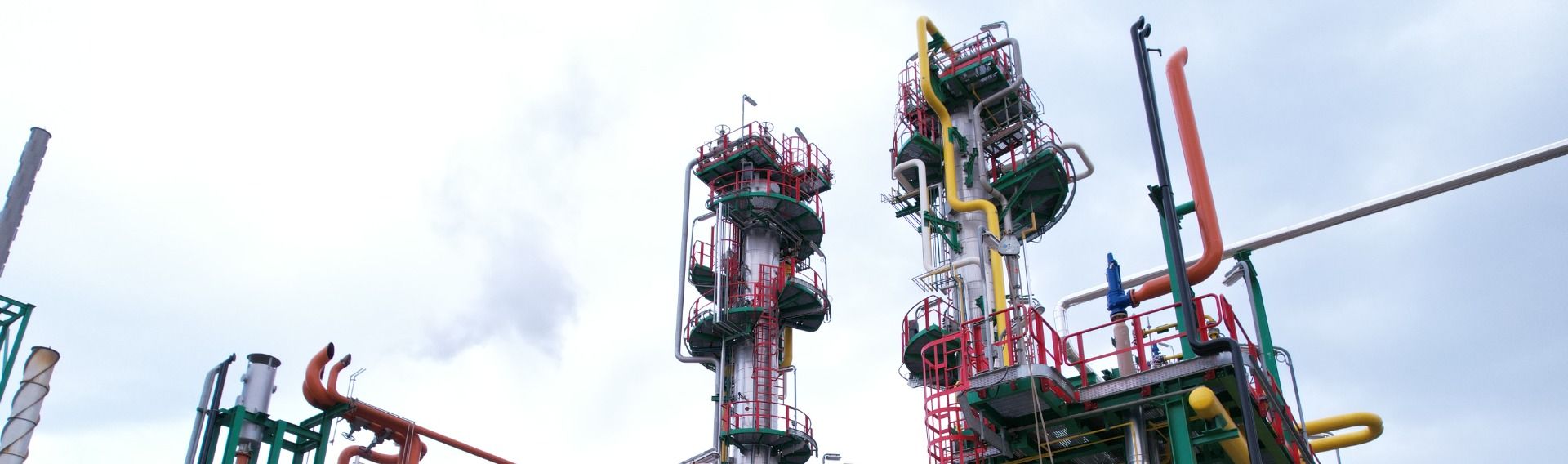
Our strategy translates into tangible projects that are transforming our industrial centers into multienergy hubs. We are making intensive investments to adapt our current units and develop new plants dedicated to the production of liquid fuels with a minimal, neutral, or even negative carbon footprint.
The scale of this industrial transformation and the evolution of our assets is visible in the main projects that already exist or are in an advanced stage of development at our industrial complexes.
- First large-scale renewable fuels production plant in Cartagena
With an investment of €250 million, these facilities in Cartagena have the capacity to generate 250,000 metric tons of renewable fuels per year based on organic waste, such as used cooking oil, or agri-food waste.
This means avoiding 900,000 metric tons of CO2 emissions every year. In net terms, it represents an emissions reduction of between 80% and 90% compared to traditional fuels. This project has involved more than 1,000 professionals and is a key piece in achieving our target of 2.7 million metric tons of production capacity by 2030.
The plant consists of a hydrotreatment unit, a hydrogen plant, and storage areas, as well as facilities with the Port Authority of Cartagena.
In Tarragona, we’ve reached a highly significant technological milestone: production of 100% renewable gasoline at an industrial scale for the first time.
Without a doubt, it’s the first large-scale renewable diesel and sustainable aviation fuel (SAF) production plant on the Iberian Peninsula, facilitating the reduction of CO2 emissions for road, sea, or air transportation while using already-existing refueling infrastructures.
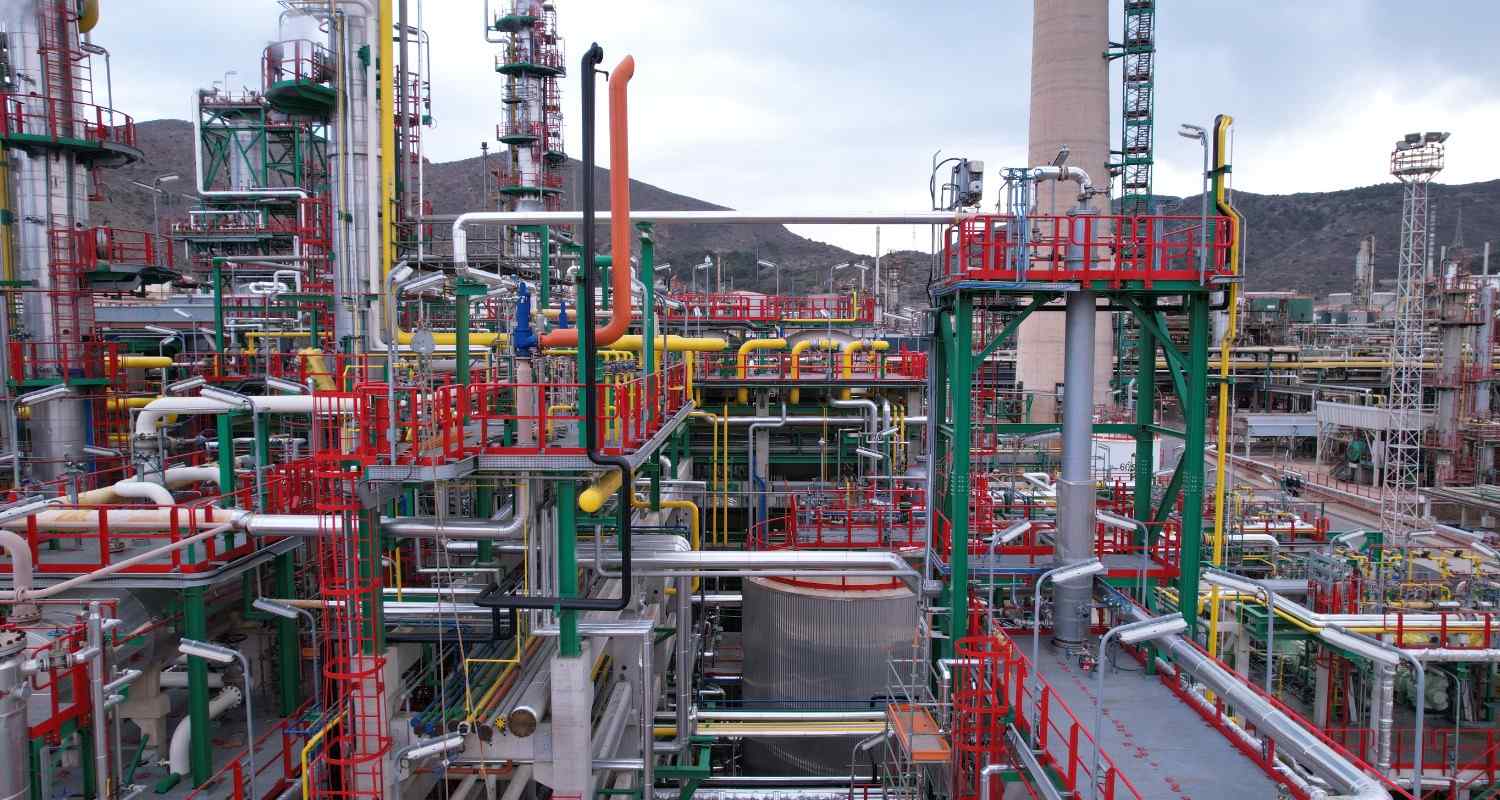
- 100% renewable-based gasoline production plant in Tarragona
We have reached a key technological milestone at our Tarragona Industrial Complex: the production, for the first time at an industrial scale, of gasoline made with 100%-renewable feedstocks.
It’s a technological breakthrough derived from a process that takes place in units that were already operational at the refinery, demonstrating the transformation capacity of our industrial assets.
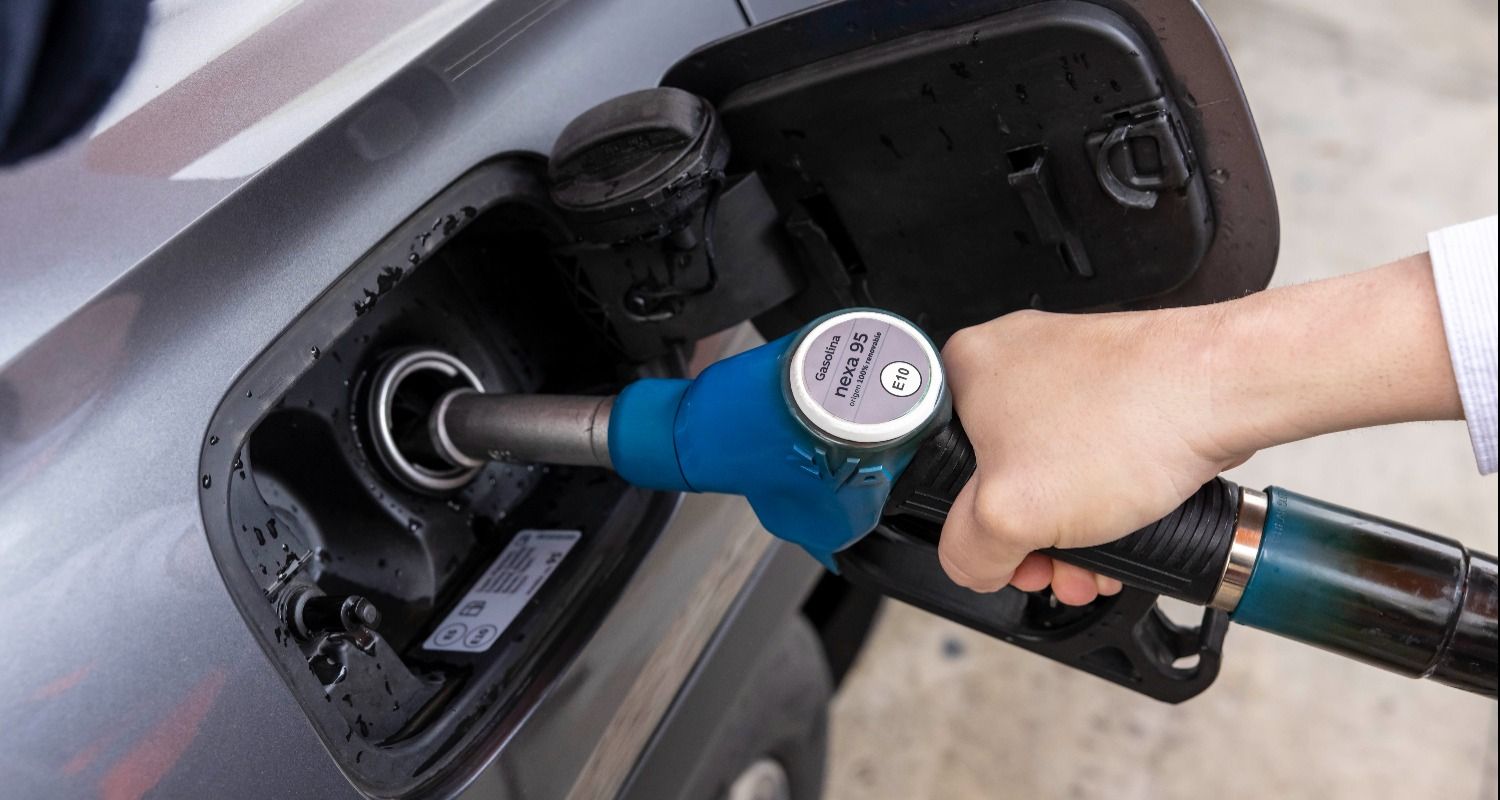
This fuel has been developed by our scientists in a strategic alliance with UOP-Honeywell. Specifically, this 100% renewable Nexa 95 Gasoline features an exclusive composition created at our Repsol Technology Lab. Its specific design not only reduces net CO2 emissions by more than 70% compared to the mineral alternative but also enhances engine performance and ensures its optimal long-term preservation.
- 100% renewable fuels plant in Puertollano
We’ve made an investment of €130 million at the Puertollano Industrial Complex to launch our second 100% renewable fuels plant on the Iberian Peninsula. The project involves the technological transformation of a unit originally intended for diesel, converting it into a cutting-edge facility capable of processing waste such as used cooking oils and animal fats.
The plant will have the capacity to supply 240,000 metric tons of renewable fuels per year, a production volume that allows for the mitigation of 750,000 metric tons of CO2 emissions per year.
The project leverages existing infrastructure to manufacture low-carbon-footprint products and stimulates local business with the participation of 80 area companies and around 250 professionals daily. The facility also benefits from the logistical advantage of a 400-kilometer pipeline connecting it to Cartagena, enabling a flexible supply of renewable diesel to the Iberian market, where we already have more than 1,560 service stations carrying this product.
- Synthetic fuels plant in Bilbao
Located in the port of Bilbao, this demo plant will have a production capacity of 8,000 liters per day of synthetic fuels (e-fuels). The process uses renewable hydrogen obtained through electrolysis and CO2 captured at the Petronor refinery to create a synthesis gas that is transformed into gasoline or kerosene. No less, this method allows for the capture of 6,700 metric tons of CO2 per year.
Being chemically identical to current fuels, e-fuels are a solution that uses existing logistics infrastructure and combustion engines. Their application is especially relevant for sectors that are hard to electrify, such as long-distance, maritime, and air transport, directly contributing to our goal of reaching net zero emissions by 2050.
- Ecoplanta in Tarragona
Ecoplanta in Tarragona entails a planned investment of more than €800 million to transform urban waste into circular products and renewable fuels. Using a gasification technology developed by Enerkem, the plant will process 400,000 metric tons of municipal solid waste per year to produce 240,000 metric tons of renewable methanol and circular methanol.
The project, which is expected to be operational by 2029, will generate 340 direct and indirect jobs and around 2,800 during its construction. Ecoplanta has been selected by the European Union's Innovation Fund for its innovation capacity, estimating an emissions reduction of 3.4 million metric tons of CO2 in its first 10 years of operation. The methanol produced will serve to decarbonize maritime transport and as a raw material for manufacturing gasoline, diesel, or sustainable aviation fuel (SAF).
Regulatory frameworks: key to consolidating industry and renewable fuels deployment in Spain
Regulatory frameworks: key to consolidating industry and renewable fuels deployment in Spain
None of this is of any use if it isn’t possible to get these products to the end user efficiently. That’s why commercial deployment is the last piece of this puzzle.
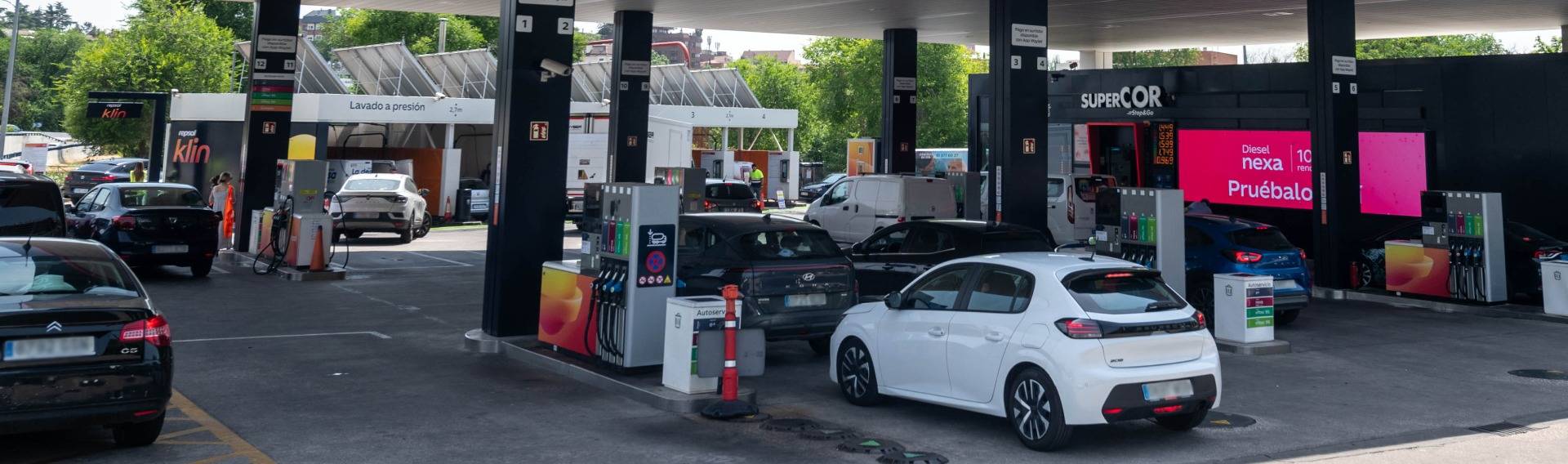
We have accelerated the availability of these products in our network and we already have over 1,500 service stations on the Iberian Peninsula supplying Nexa Diesel of 100% renewable origin. Our goal is to continue expanding this reach so that any driver can refuel while reducing CO2 emissions and without buying a new car.
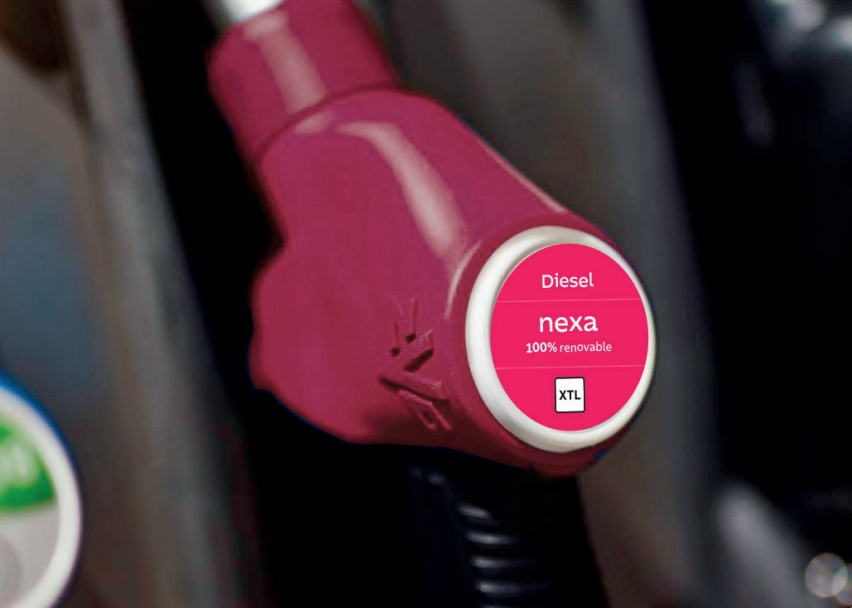
This deployment isn’t just good for individual drivers. It’s vital for professional freight transport, for which renewable diesel the only viable short-term alternative to reduce CO2 emissions in long-distance routes without compromising competitiveness.
The data and projects presented confirm that Spain has the necessary ingredients to become a powerhouse in this new industry: technology, raw materials, facilities, capabilities, and market.
Consolidating this new production model requires a long-term vision and genuine, loyal public–private sector collaboration. We cannot ignore the fact that neighboring countries are moving faster and with more favorable incentives. Therefore, Spain urgently needs an industrial policy that will allow us to compete and a regulatory framework that will provide certainty for large investments.
You may be interested in
You may be interested in