

Female talent
Female talent
Harnessing female talent to drive innovation, productivity, and competitiveness
Harnessing female talent to drive innovation, productivity, and competitiveness

Head of Culture, Diversity, and Employee Experience
Women represent half of the population in Spain. However, their participation in the business world still presents notable differences compared to men in terms of areas of activity and levels of responsibility.
The 5th Closingap Index estimates that, at the current pace, our country will achieve parity by 2062. This gap is explained by the unequal participation of women in the areas of digitalization, health and wellness, education, employment, and work-life balance. These differences carry a high cost at the individual, social, and business level in terms of talent loss.
Business competitiveness increasingly depends on companies’ ability to attract, develop, and retain talent. Driving the full representation of female talent and promoting bias-free talent management is not just a matter of diversity: it’s a key factor in driving innovation and productivity.
In this article we will look at how inclusion acts as a direct competitive advantage. We will analyze why diverse talent is a key asset for tackling today's major business challenges, the management capabilities it brings, the operational strategies we have implemented to harness this talent, and the metrics needed to evaluate its real impact on organizations.
Why is female talent a strategic asset?
Why is female talent a strategic asset?
Major business challenges are not solved through investment or technology alone. They also require all available talent to build more resilient, competitive, and efficient organizations.
To achieve this, it is necessary to have multidisciplinary teams capable of analyzing operational challenges from different angles and with the highest possible technical rigor.
This is a perspective supported by various international studies, which suggest that companies with a greater female presence in management positions achieve better financial indicators and are able to create better work environments, something particularly relevant in our innovative and constantly evolving landscape.
This superior performance is not the result of an automatic or mechanical relationship between having more women and achieving better results. What these studies show is that organizations with a greater female presence in senior management tend to share a key trait: a truly inclusive culture in which talent can fully develop regardless of gender or other personal characteristics. In these environments, decisions are made with a more open perspective that is less conditioned by bias, thereby broadening access to a more diverse and competitive talent pool, fostering more innovative teams and improving understanding of a customer base that is also diverse. In short, it is not the presence of women in itself that explains better performance, but rather the type of organizational culture that makes that presence possible and that, at the same time, drives better business results.
Female leadership in sectors undergoing transformation
Female leadership in sectors undergoing transformation
The energy sector is undergoing a profound transformation that demands maintaining competitiveness and having the best talent and leadership to drive effective solutions.
To ensure this structural approach, we have our Diversity and Inclusion Committee, which is composed of members of senior management and has been operating continuously since 2007. This committee promotes the identification and removal of internal barriers in order to foster an inclusive culture that translates into talent management based on merit regardless of personal characteristics.
In this context, we have achieved more than 35% female occupancy in leadership positions in 2025. This growth, based on the 29% recorded in 2018, is in line with the improvement of our competitiveness and our technical adaptation.
Repsol's strategies and actions to drive and retain female talent
Repsol's strategies and actions to drive and retain female talent
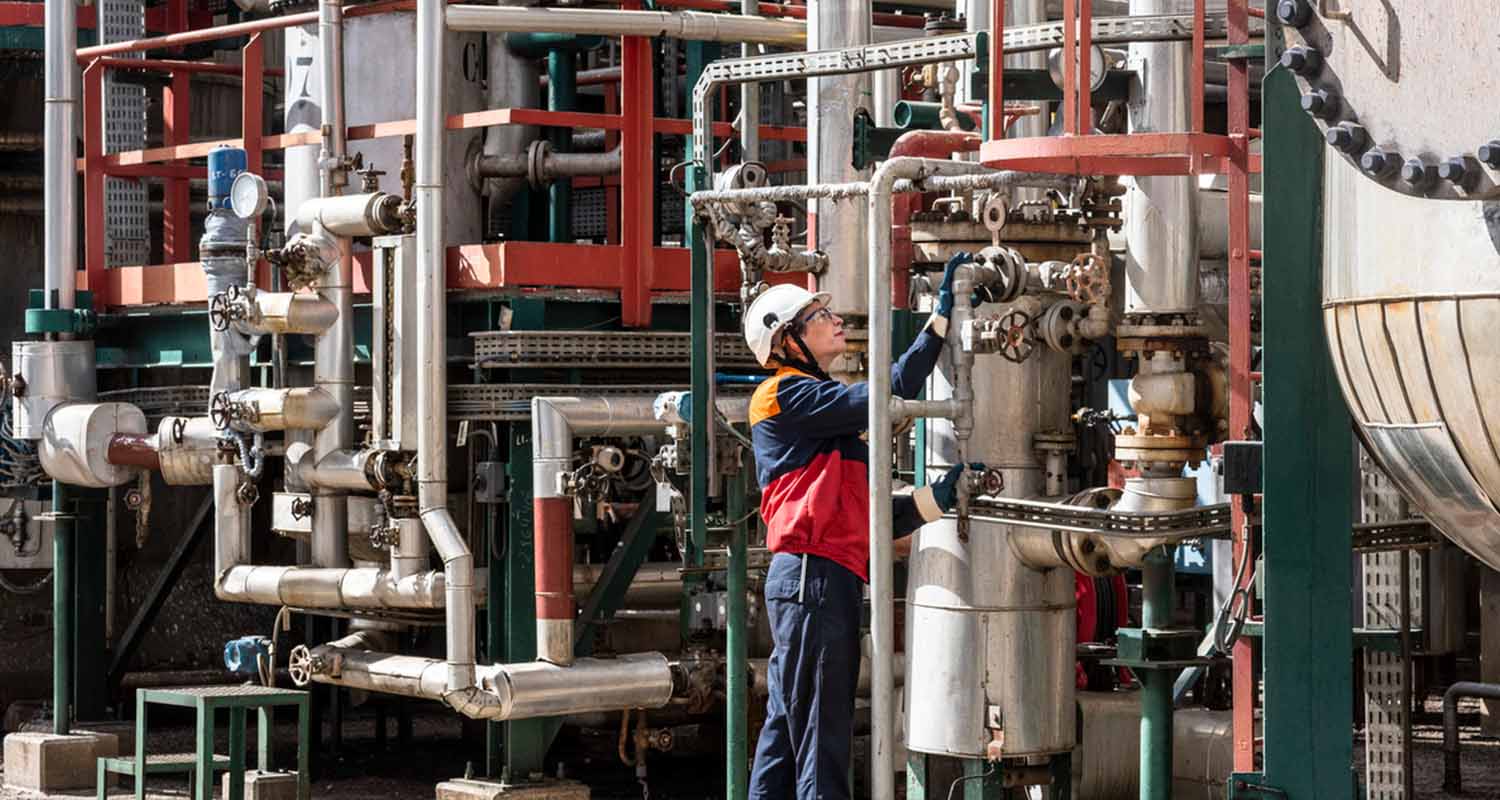
To achieve the figures described, at Repsol we have implemented a strategic talent management plan that includes direct initiatives to promote equal opportunities. The effort to consolidate this foundation began two decades ago with the launch of our first Equality Plan in 2005. Since then, we have integrated gender diversity as part of everyday management.
Mentoring and training programs
We promote mentoring and continuous training programs for all professional profiles. These tools make it possible to identify internal talent, guide new hires, and ensure smooth generational turnover in technical and management positions.
Equality policies and elimination of bias
Our Equality Plan includes specific measures such as a bias-free pay policy, leadership training, and the use of inclusive language. In 2025, we trained 258 people specifically in understanding unconscious biases, seeking to ensure that selection and promotion decisions are based exclusively on merit and performance.
Flexible hours and work-life balance (remote work, adapted schedules)
As we have seen, the lack of co-responsibility and work-life balance affects the labor market, limiting women's opportunities for participation.
At Repsol, we have implemented hybrid work models, flexible hours, and digital disconnection protocols. In our workforce, 7,307 employees have remote work options and 4,241 people have taken family leave during the last year.
Visibility of role models and internal women's networks
We have promoted the internal network Winer (Women in Energy Repsol), launched in April 2025, which has risen to more than 530 members in less than a year. Winer promotes an inclusive culture in which men and women work together to bring together perspectives and transform the organization. This is done with the belief that gender diversity is not a women's issue, but one of talent, business, and the future.
Winer is a space where men and women combine their efforts to transform our culture, because gender diversity is not a women's issue: it is an issue of talent, business, and the future.
In parallel, we support the in-house network Proud at Repsol to ensure a diverse work environment. Together, over 1,000 people are actively involved in these engagement networks.
Fostering STEM disciplines from an early age
To increase this percentage of professionals with training in Science, Technology, Engineering or Mathematics (STEM), we foster technical talent from an early age through programs such as Women and Girls in Science Week at our Puertollano Industrial Complex. There’s also our Repsol Digital Girls initiative, where Repsol professionals act as mentors for teams to encourage critical thinking and interest in technical careers among girls.
Outside the company, we’re active participants in the STEAM Alliance for Female Talent, doing our part to reduce the gender gap in tech disciplines.
A visible impact at Repsol highlighting female talent
A visible impact at Repsol highlighting female talent
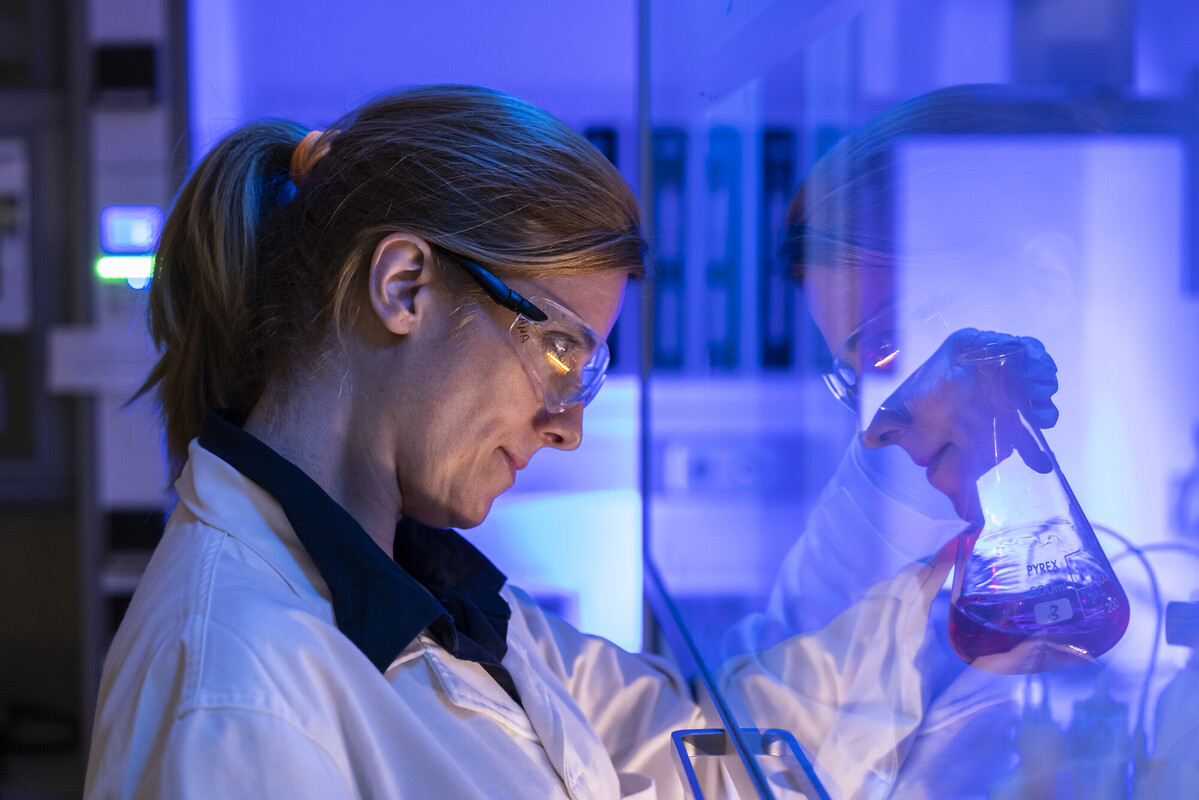
In our everyday work, we see how women lead industrial facilities and specialized technical teams, bringing their experience and vision to every project. There are also professionals heading up key technological areas for innovation and digitalization, such as hydrogen development, renewable fuels, and artificial intelligence. And in the legal, the majority presence of women on the executive committee shows how female talent is transforming our strategic functions and leaving a real mark on the organization.
How we measure the evolution of female talent in the company
We consider it essential to apply rigorous metrics to evaluate the effectiveness of people management policies from a gender equality perspective.
As part of quantitative KPIs, we constantly monitor key indicators:
- Overall representation: 42% of our global workforce are women.
- Hiring: 45.8% of our new hires are women, reflecting a real balance in access.
- Leadership: we have reached 35.3% women in management positions, with 40% of seats on the Board of Directors occupied by women.
- Pay equity: the gross pay gap unexplained by objective criteria has been reduced to 5% globally.
Regarding qualitative KPIs, we consider:
- Work environment and wellness: we measure workforce perception through the Our Voice program. In 2025, we achieved an engagement index of 78% and a wellness index of 81%.
- Talent retention: we have a voluntary turnover rate of less than 6% and a retention intent of 90%, placing us 19 points above the market average.
- External perception: we maintain the third overall position in Spain according to the Merco Talento 2025 ranking, making us the leading company in talent attraction within our sector.
This is an indicator in which we have remained among the top five companies in the country uninterruptedly since 2013, and which specifically highlights professional development, employment quality, and our equality policies as drivers.
We are also considered one of the preferred companies by university students and vocational training profiles to begin their technical careers, underpinned by specific value propositions such as the Talent Energy internship program. In Merco Talento’s university rankings, we are the top company in our sector.
The future of female talent in the company
We look to the future with the goal of consolidating these indicators and fully representing the talent available in society at all levels of our organization. Long-term competitiveness depends on our ability to adapt organizational models to new demographic and social realities.
In this regard, bias-free talent management is key to an inclusive culture in which all people develop to their full potential, regardless of gender.
The future of female talent at our company involves integrating it in a full and natural way into all decisions, levels, and areas of business.
We want to continue our work toward becoming a company where professional development is driven by talent, continuous learning, and each person's ambition. To that end, we will continue strengthening inclusive leadership, the early identification of potential, internal mobility, and work models that recognize work-life balance and value diverse professional career paths.
Investing in female talent is not only a matter of equity: it is a strategic decision that reinforces our capacity to innovate, compete, and grow in a constantly changing environment.
You may be interested in
You may be interested in



¿Quieres estar al día sobre las tendencias que definirán el futuro?
¡No te quedes atrás! Únete a miles de personas que descubren cada mes nuevos contenidos sobre energía, tecnología y hogar.

Confirma tu suscripción
Por favor, revisa la bandeja de entrada de tu correo electrónico y valida tu registro pulsando en el enlace que has recibido.
No olvides comprobar antes tu carpeta de spam.

No se ha podido completar el alta en la Newsletter
Inténtalo de nuevo, si el error persiste prueba más tarde.

¿Quieres estar al día sobre las tendencias que definirán el futuro?