What is energy supply security?
What is energy supply security?
The silent pillar that supports our everyday lives
The silent pillar that supports our everyday lives

Director of Value Chain Optimization
Energy supply security is the guarantee that homes, businesses, and essential services have the access to the energy they need, whenever they need it. It is not an abstract concept: it is what makes it possible for trucks to keep moving, planes to take off, and hospitals to operate without interruptions.
Supply security is built through investment and planning. In an environment shaped by geopolitical tensions and market volatility, a county's ability to guarantee that supply has become one of its most valuable strategic assets.
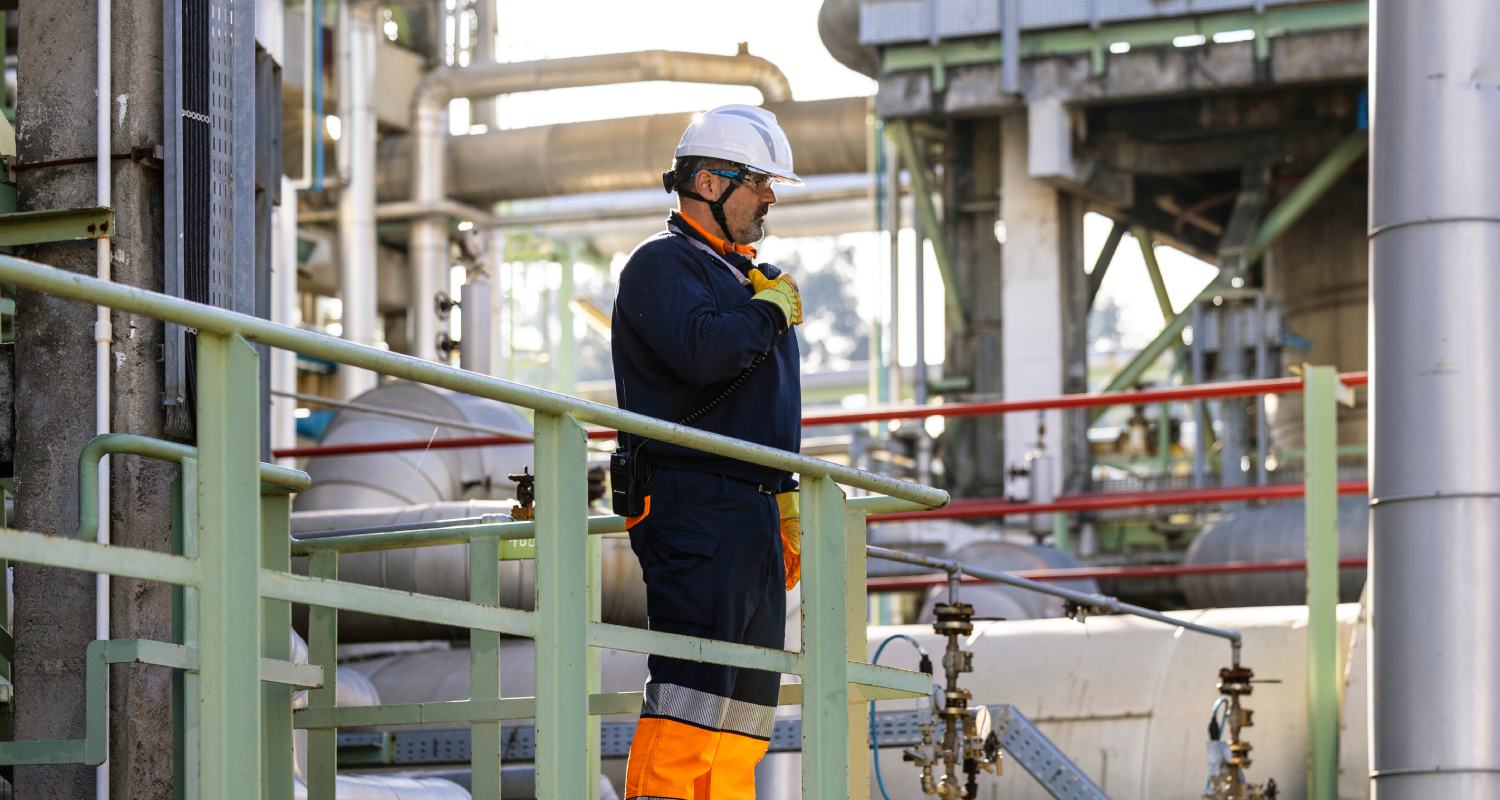
The assets that strengthen our energy supply security are managed by highly qualified teams. The technical background and experience of our colleagues across industrial facilities are a cornerstone of efficient operations and play a key role in achieving greater supply reliability.
Vulnerabilities and resilience of Spain's energy supply security system
Vulnerabilities and resilience of Spain's energy supply security system
All countries depend on energy, but not all of them manage that dependency in the same way. Moreover, this dependence is not limited to a single source: each country builds its own energy mix, a diverse combination of renewables, gas, and petroleum products.
Within this context, Spain has a unique position: it imports all the crude oil it consumes, but it has developed a supply and refining system that makes this dependence far less vulnerable than it might appear at first glance.
Although we import all the crude oil we consume, these imports are spread across more than 20 countries in six different geographical regions. In general, crude oils from the same region share similar characteristics, while those from different regions vary considerably. These regions are the Middle East (to which we currently have limited access due to the closure of the Strait of Hormuz), North America, Central and South America, North Africa, West Africa, and Europe.
At the same time, more than two-thirds of the country's primary energy comes from oil and gas. This percentage is above the European average. Transport accounts for almost 40% of Spain's final energy consumption, compared with 30% across the continent on average.
This structural dependence means that any disruption in supply directly impacts mobility, logistics, and economic activity. That is why building and maintaining a resilient supply system is not an option: it is a strategic necessity. A necessity addressed through three pillars: gas, crude oil, and, most importantly, the refining system.
A robust supply system requires highly diversified geographical positions. In the specific case of crude oil, Repsol's Trading business has contracts and positions with crude oil producers across many regions of the world. These positions are used partly to supply Spain's refining system and partly for third-party trading. However, in the event of an extreme need, the volume of these positions would guarantee approximately 80% of Repsol's crude oil supply system in Spain. In other words, our global trading positions provide us with a major strength when it comes to ensuring crude oil supply security. In the gas sector, our trading positions exceed Repsol's needs in Spain, making them an important pillar in guaranteeing the country's supply security.
The three pillars of Spain's energy supply
The three pillars of Spain's energy supply
Spain's energy system is built on three fundamental pillars, each with a different and irreplaceable role.
- The first is gas. Spain has a network of gas pipelines and, above all, a regasification capacity that places it at the forefront of Europe in terms of the number of LNG import terminals. As many as seven ports have operational storage tanks, strengthening their strategic role in Europe's energy system. Overall, according to data from Gas Infrastructure Europe (GIE), Spain accounts for around 35% of the EU's gas storage capacity. This infrastructure allows gas to be received from multiple sources, adding flexibility to the system, and has made Spain Europe's leading re-exporter of natural gas over the past year.
- The second pillar is crude oil. It arrives by sea from different sources through a network of ports and receiving facilities distributed throughout the country. From the port of Cartagena, a 358-kilometer pipeline runs to the Puertollano refinery, located in the heart of the Iberian Peninsula. This infrastructure transports around 150,000 barrels of crude oil daily and has an annual capacity of 7.5 million metric tons. It is worth highlighting that, alongside crude oil, we also transport other intermediate products, such as vacuum gas oil, heavy coker gas oil, LPG, and others.
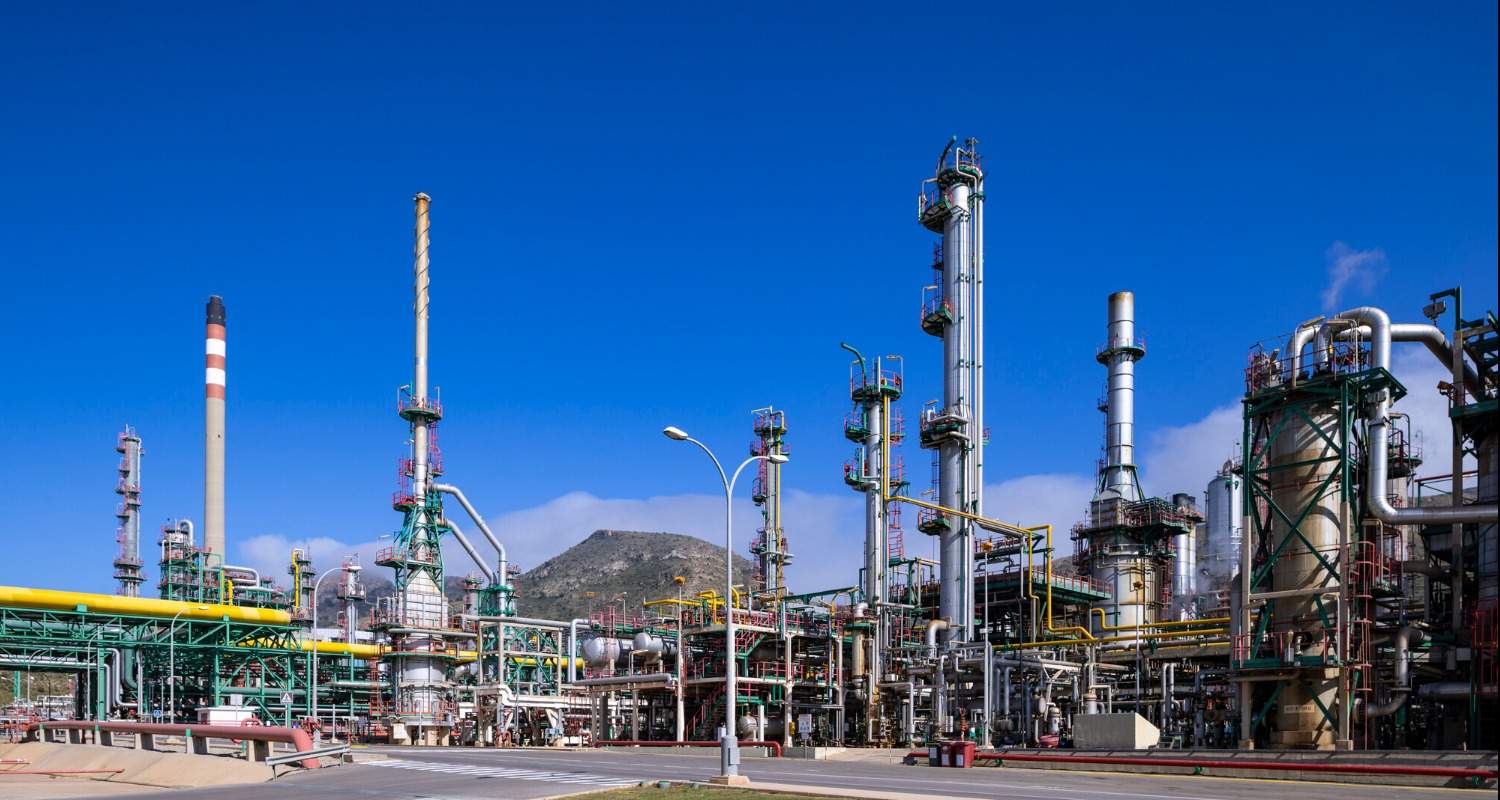
- The third, the most decisive one, is the refining system. It is the only pillar that transforms primary energy into final energy within the country itself. Without it, the other two pillars are not enough: raw crude oil cannot power an engine or heat a home.
It is therefore worth taking a closer look at this third element. Because having access to crude oil is not enough. You also need the ability to transform it, and this is where Spain gas a clear advantage.
Europe has lost refining capacity, but Spain hasn't
Europe has lost refining capacity, but Spain hasn't
While Europe has reduced its refining capacity, measured as crude distillation capacity, by around 20% over the last two decades, Spain has followed a different path. During the same period, Spain increased its capacity by 2%, despite the closure of the Tenerife refinery, mainly driven by Repsol's 15% increase in refining capacity, placing Spain among the European countries with the highest levels of energy self-sufficiency.
More specifically, while other European countries stopped investing in their refining systems, Spanish companies carried out multi-billion-euro investments. In the case of the Repsol Group, more than €15 billion have been invested over the last 20 years to increase refining capacity and strengthen the safety and efficiency of operations.
As a result, Repsol has a system capable of processing more than 100 types of crude oil from multiple sources (from 24 different countries in 2025), with deep-conversion processes that guarantee flexibility under any supply scenario. A level of versatility that most European countries do not have.
Spain can process more than 100 different types of crude oil, a flexibility that most European refining systems cannot match
Today, Spanish society is benefiting from the results of this investment effort, which transformed the refining industry and positioned it as one of he most advanced in Europe.
Across all of Spain's refineries, the country can process more than 100 different types of crude oil, providing greater flexibility than most refining systems. According to CORES data (Hydrocarbons Statistical Bulletin, December 2025), throughout 2025 Spain processed crude oil from 27 different countries.
At our industrial facilities, we can respond to the specific characteristics of each crude oil because, as mentioned, not all crude oils are the same. Light crude oils are typically found in North Africa and North America and are easier to process than other types. Heavy crude oils are typically found in Central America (Mexican crude) and South America (Venezuelan, Brazilian, and Colombian crude).
The Spanish refining system is the most flexible and competitive in Europe, with production capacity equivalent to 13% of the European Union's total
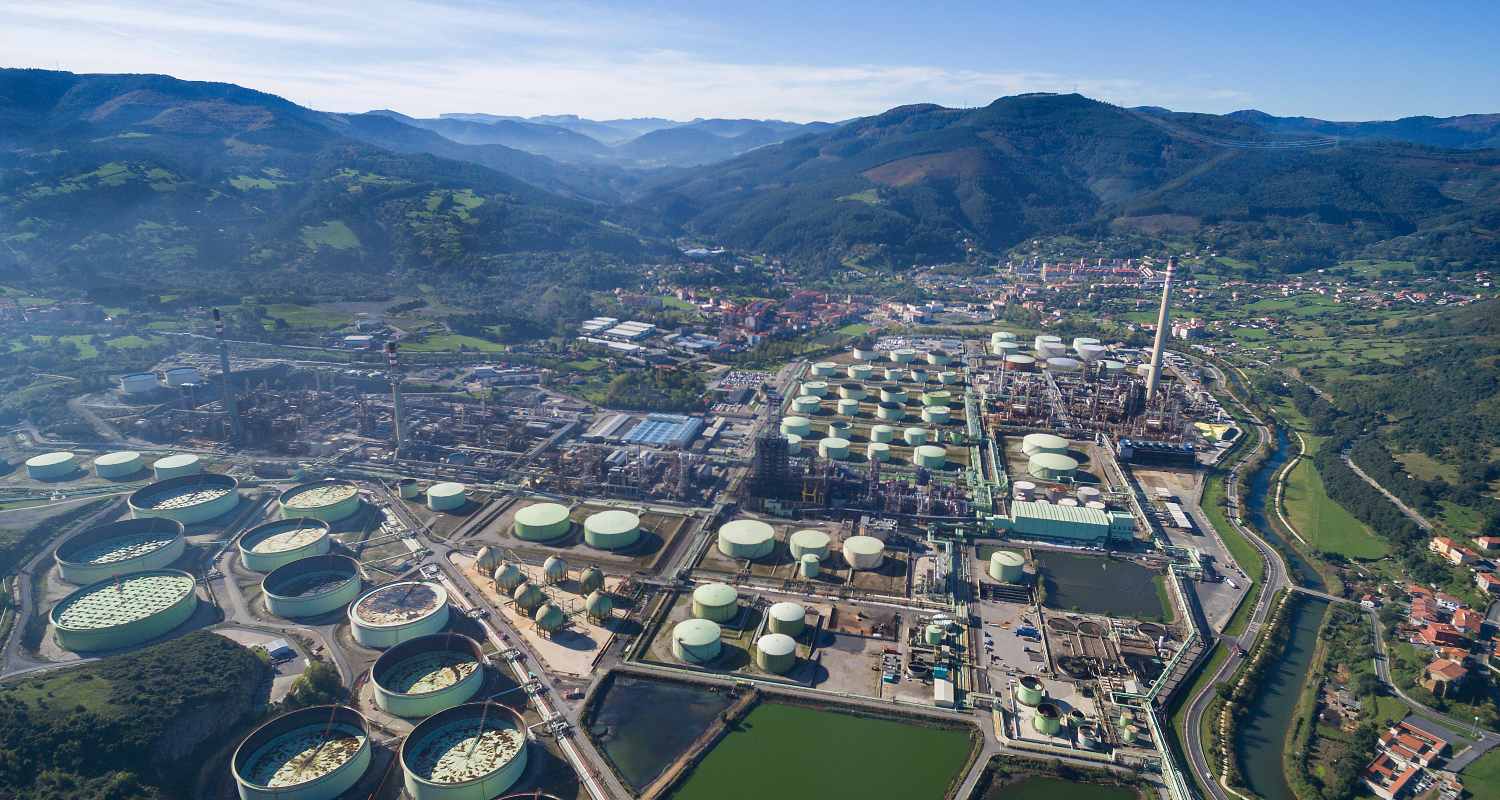
Spain has eight major active refineries, five of which belong to the Repsol Group (the four Repsol Fuels refineries in A Coruña, Puertollano, Tarragona, and Cartagena, and the Petronor refinery). Repsol currently makes up 62% of Spain's refining capacity.
Beyond fuels, these facilities also support the industrial base: 50% of the raw materials used by Europe's chemical industry are produced in refineries across the continent.
These activities also have a significant economic impact. Refining and chemicals account for around 6% of industrial employment and 7% of Spain's gross value added, with salaries 40% above the average and more than double the average spending per employee on training, to highlight just some figures in this area.
However, the strength of a system is not measured only by these figures. It is also measured by what it can withstand when something goes wrong. And for that, Spain has another mechanism that operates silently but is equally essential.
How Spain's strategic reserves system works (CORES)
How Spain's strategic reserves system works (CORES)
Energy supply security does not depend only on production capacity or daily supply. It also requires having reserves capable of absorbing disruptions.
The Corporation for Strategic Reserves of Petroleum Products (CORES). It is the organization responsible for managing minimum security stocks, which must cover the equivalent of 92 days of sales: 42 days managed by CORES and 50 days held by operators, in line with the requirements of European legislation and the International Energy Agency.
However, under certain circumstances, this obligation may be reduced in order to manage emergency situations.
To put it into perspective: it is like having almost three months' worth of supplies stored away in case distribution chains are interrupted.
Of the total 92-day requirement, CORES directly manages 42 days of strategic reserves, while the industry maintains the remaining 50 days.
The system involves storage infrastructure, active management, and continuous coordination with operators, who invest financial and human resources to ensure these strategic reserves are available for the entire country.
When pressure rises: active response measures
When pressure rises: active response measures
Energy supply security is not just about passive infrastructure. It is also about the ability to act when circumstances require it.
One figure illustrates this clearly: while other European countries need to import most of their jet fuel, Spain produces 80% of the jet fuel it consumes within its own territory.
Given the geopolitical tensions of recent months, our refineries have implemented specific measures to strengthen this buffer:
- An exceptional increase in inventories: An additional €1.2 billion invested in stock to strengthen reserves amid the current geopolitical situation.
- Increase in jet fuel production: some of our refineries have managed to double and even triple their jet fuel production. The objective is to increase production by 20% ahead of the summer, the period of highest demand from the aviation sector. This production increase represents 30% of Spain's imports. In other words, we are improving supply security for the domestic market through the output of our own refineries.
- Flexibility of the refining system: the ability to process more than 100 different types of crude oil, using deep-conversion processes, allows production to be adapted to market needs a any given time without depending on a single source of supply.
This response capacity does not appear overnight. It is the result of years of investment and the continuous maintenance of infrastructure that, during calm periods, may seem redundant but proves its value when pressure increases.
Looking ahead: refining as a platform for the future
Looking ahead: refining as a platform for the future
Therefore, refining is not an industry of the past. It is the platform on which a secure, sustainable, and affordable energy transition is built.
Our industrial facilities began this transformation process many years ago, a process that has allowed them to evolve and that is now tangible through concrete projects:
- In Cartagena, we produce 100% renewable diesel and SAF (100% renewable sustainable aviation fuel).
- In Tarragona, we are pioneers in the industrial-scale production of 100% renewable gasoline. We have also approved an investment of more than €800 million to build Ecoplanta, the first facility in Europe capable of transforming non-recyclable urban waste into renewable methanol and circular products. With the capacity to process 400,000 metric tons of waste per year, it will help avoid 3.4 million metric tons of CO2 equivalent emissions during its first 10 years of operation and will create more than 340 direct, indirect, and induced jobs.
- In Puertollano we have recently launched a facility that has been transformed into a 100% renewable biofuels plant.
- Across all our industrial facilities, we co-process bio-based materials to produce co-processed HVO and co-processed SAF. In addition, in all facilities except Cartagena, we manufacture ETBE, a bio-based component used in gasoline.
- In Bilbao, we have started construction of a demonstration plant for synthetic fuels (e-fuels), equipped with a 10 MW operational electrolyzer. The plant will use renewable hydrogen and captured CO2 as its only raw materials. This project represents an investment of more than €100 million.
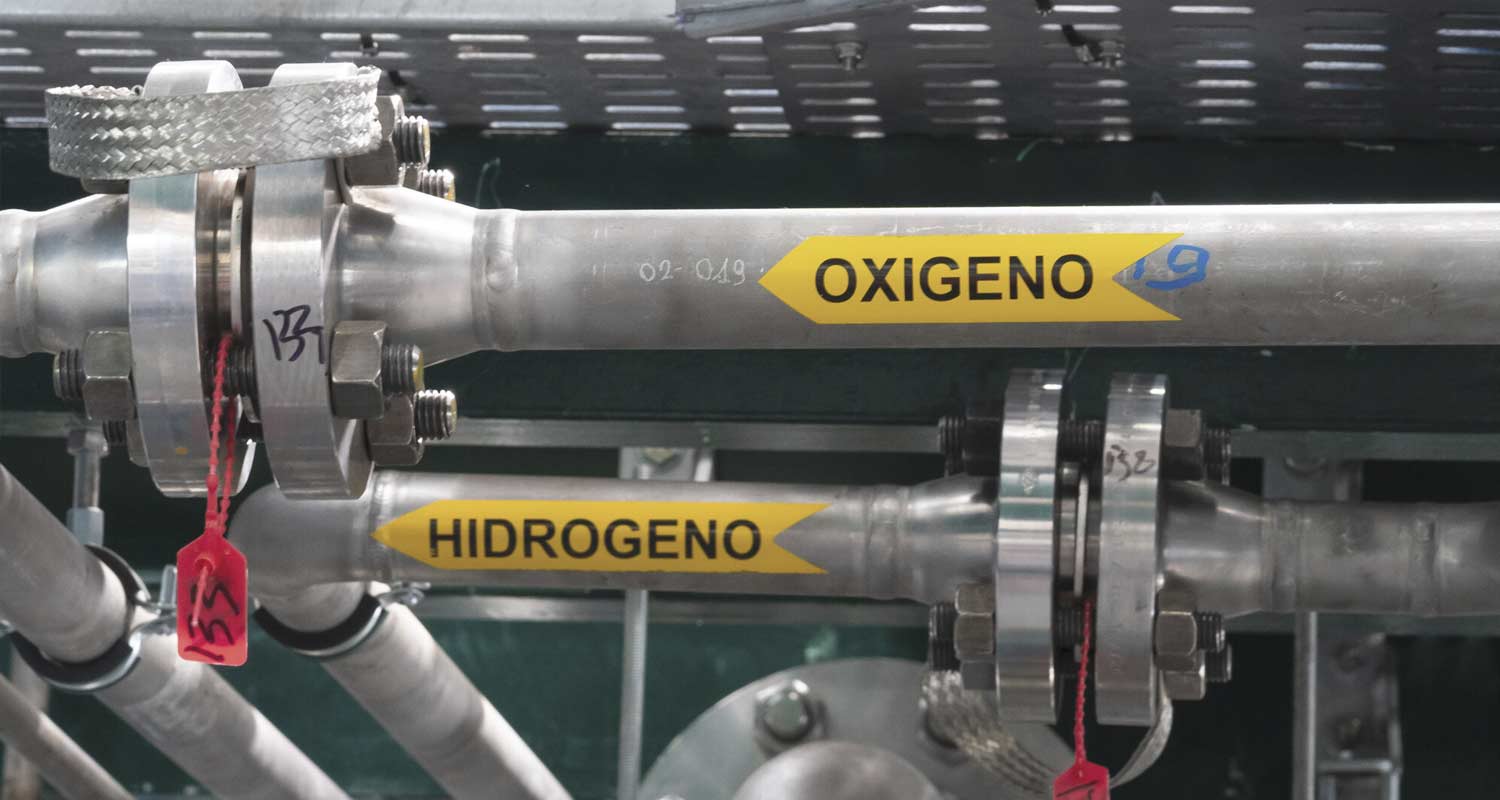
- In the field of hydrogen, we have several active operational electrolyzers and other projects under development, strengthening the integration of renewable hydrogen into industrial processes.
The sector has the highest planned reinvestment levels in Europe for the coming years. This investment commitment not only reinforces the long-term economic viability; it also ensures that Spain's energy system remains an industrial strength within the European context.
Without its own refining system, the continent's mobility, logistics and defense capabilities would be significantly weakened
There is also a strategic dimension that should not be overlooked. In an unstable geopolitical environment, fuel availability is a key factor enabling mobility, logistics, and national security. Without its own refining system, this capability would be significantly weakened.
A system built each day after the next
A system built each day after the next
Energy supply security is not something that is achieved once and simply maintained. It is the result of investment decisions made years in advance, infrastructure maintained with discipline, and capabilities developed before they become urgent.
Spain has built this system. And that system is what allows everyday life to operate without disruption: trucks keep moving, planes take off, and factories continue producing.
Essential activities require planning and foresight. It is not always possible to anticipate crises, but it is possible to strengthen the mechanisms that allow us to respond to them.
Evolving the refining system while its transformation continue is, today, one of the best guarantees of economic and social stability in an uncertain global environment.