
Ecoplanta at the Tarragona Industrial Complex
Ecoplanta at the Tarragona Industrial Complex
Transforming waste to create value through industrial innovation and operational circularity
Transforming waste to create value through industrial innovation and operational circularity
Ecoplanta Project Manager
Moving towards a lower-emissions economy depends on both the energy we use and how we use and reuse resources. Transforming waste to create value involves rethinking industrial processes, promoting technological innovation, and giving new life to materials that until now had no use. Transforming industrial processes and giving a new life to materials is key to achieving this.
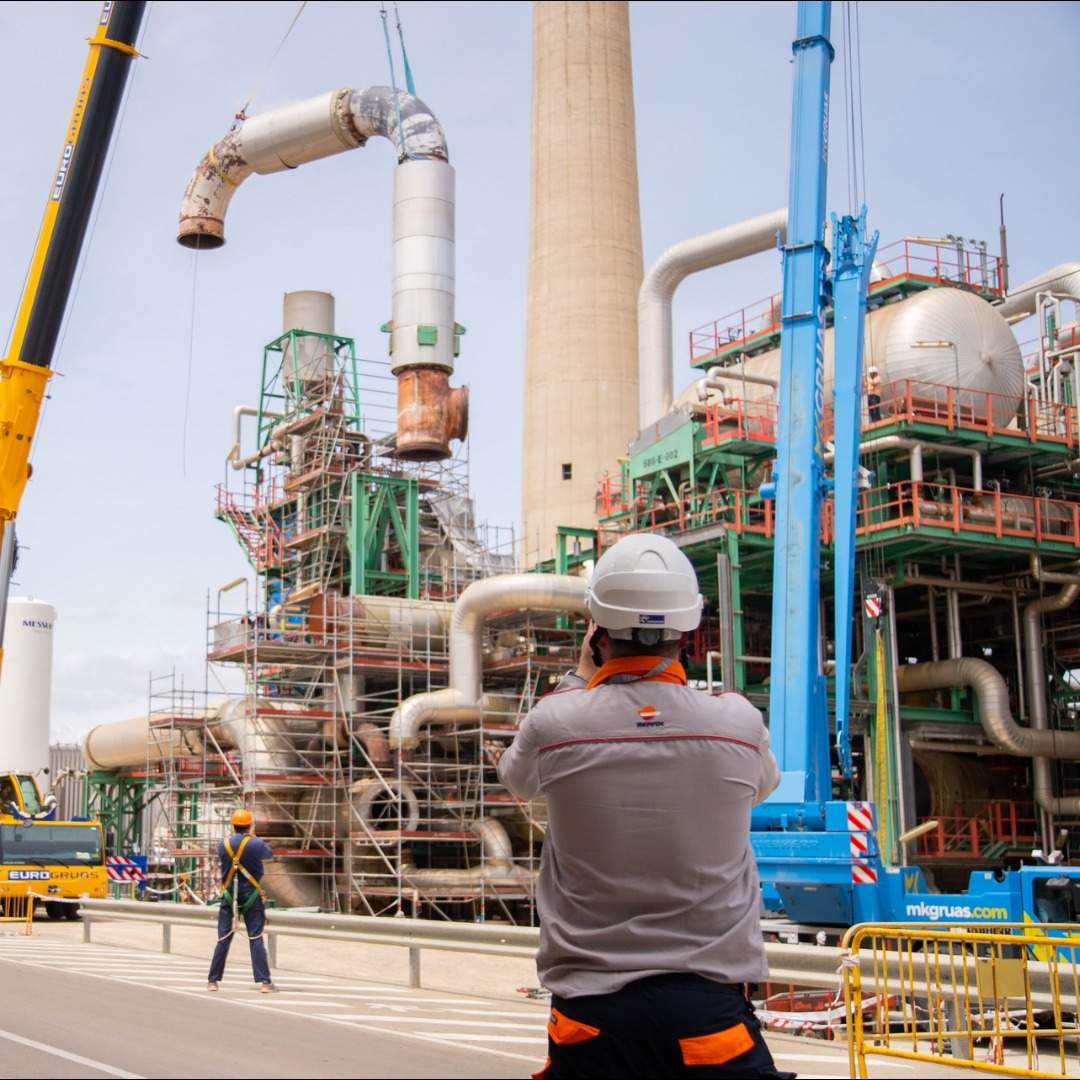
Meeting this challenge requires real solutions and the ability to scale them. This is the goal behind our construction of Ecoplanta in Tarragona. This trailblazing facility in Europe with an investment of over €800 million will be capable of transforming non-recyclable municipal waste into renewable methanol for use as a feedstock in industrial-scale production renewable fuel for maritime and long-distance transport, among other circular products.
Projects like this are how we are driving new ways to reduce CO2 emissions.
What Ecoplanta is and how it works
What Ecoplanta is and how it works
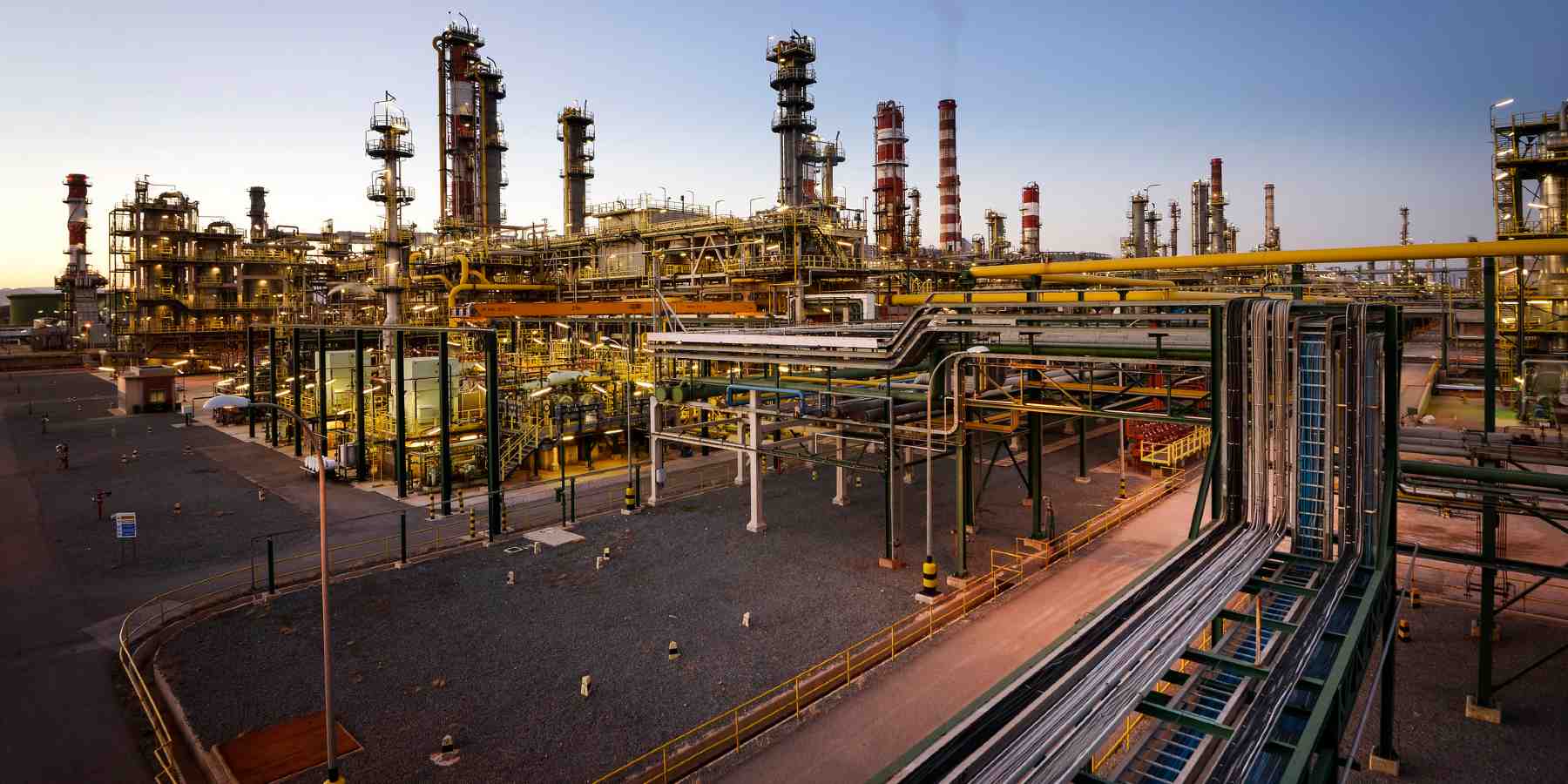
Located in the town of El Morell, within our Tarragona Industrial Complex, Ecoplanta will be operationally integrated with the infrastructures that already operate on this site. This technical decision enables us to take advantage of obvious industrial synergies and accelerate the transformation of our traditional production center into a cutting-edge multienergy hub.
Ecoplanta is a trailblazing industrial project designed to provide an immediate solution for the challenge of decarbonization through renewable fuels and the circular economy. Today, a majority of waste from treatment plants ends up in landfills or is destined for incineration plants. This linear dynamic shows that there is currently no mass-scale alternative treatment that allows for the effective material valorization of these resources. Our new facility gives these materials a second life. Transforming waste to create value means leveraging technology to turn hard-to-recycle materials into useful products for industry and transportation. Through technology, we are able to transform municipal waste into useful chemical resources, drastically reducing the extraction and consumption of new nature-based raw materials.
We thus maintain our technical capacity to manufacture products that are essential for society while operating with a significantly lower carbon emissions footprint. We consider it essential to make use of the existing industry to demonstrate that Spain can lead the development of top-class technologies. This material leadership occurs when we manage to align strong capital investment, talent training, and a clear long-term vision.
Operation, production, and impact of Ecoplanta
Operation, production, and impact of Ecoplanta
The new facility's technical capability sets an industry standard unheard of in Europe. Ecoplanta will have the capacity to process up to 400,000 metric tons of non-valuable municipal solid waste and biomass per year. From this input volume, the plant will produce 240,000 metric tons per year of renewable and circular methanol from 2029.
The core of this performance lies in gasification technology, developed in close collaboration with the Canadian company Enerkem. This methodology is considered the most advanced non-recoverable waste recovery process in the world. The system uses advanced technologies to recover the carbon present in the waste and transform it back into useful resources.
To quantify the magnitude of this project, we can highlight the following key operational figures:
- Funds invested: Over €800 million in the El Morell complex.
- Start-up: The facility's start of operations is scheduled for 2029.
- Job creation: The project will require some 2,800 jobs during the complex construction phase. In its subsequent phase of regular operation, it will require 340 direct, indirect, and induced jobs needing high technical specialization.
- Emissions reduction: The application of this technology will avoid the emission of 3.4 million metric tons of CO2 equivalent during the first 10 years of operation.
Beyond the clear technical benefit, we consider the investment's territorial impact to be a priority. Maintaining industrial employment in Spain is essential to consolidate robust value chains as opposed to imports while boosting the local economy. In this context, transforming waste to create value also means strengthening industrial competitiveness, promoting new technological capabilities, and generating specialized employment.
Renewable methanol and its uses
Renewable methanol and its uses
The methanol produced at the facility will be divided into two categories according to the origin of its feedstocks. On the one hand, renewable methanol comes strictly from the organic fraction of the non-reusable waste processed. On the other hand, circular methanol is obtained from non-organic waste, such as those plastics that no longer support conventional mechanical recycling. Both end products share the same chemical composition and are critical both for the transformation of the transportation sector and for ensuring the competitiveness of the European chemicals industry.
In heavy transport, the European Union has established regulations to reduce the carbon intensity of maritime shipping. The regulation requires a 40% reduction by 2030 compared to 2018 base levels and a 75% cut by 2050, compared to 2020 parameters. As opposed to other technological options such as ammonia or electrification of marine transport, which require great additional technical development and huge capital investments in fleet renewal, renewable methanol is presented as a consolidated technological solution with immediate applications. Technological neutrality is the guiding principle that should pilot this evolution: all mature options add up in this joint effort.
The commercial viability of this model can be seen in real operating agreements. We have signed a landmark agreement to supply renewable marine fuels to Norwegian Cruise Line Holdings' cruise ships in the Port of Barcelona over the next eight years. Starting in 2029, this agreement specifically contemplates the supply of renewable methanol manufactured directly at Ecoplanta.
This product is also a key player in road transport, acting as a raw material in the manufacture of gasoline and diesel of renewable origin. It also enables us to produce lower carbon footprint aviation fuel, known internationally as SAF. Its great technical versatility has reached the European chemicals industry, being an indispensable component for sectors such as automotive, construction, health, food, and electronics. According to joint analyses by IRENA and the Methanol Institute, the global demand for methanol will increase fivefold by 2050.
Given the high commercial and environmental potential of this model, we are actively analyzing the feasibility of replicating this industrial scheme in other key regions.
Innovation as a foundation: the support of the Innovation Fund as a European benchmark
Innovation as a foundation: the support of the Innovation Fund as a European benchmark
Ecoplanta's operational design is the direct result of more than 20 years of exhaustive research in the area of molecular recycling and its subsequent validation on an industrial scale. This scientific rigor has gained firm institutional recognition in the global arena.
The future infrastructure has been selected by the European Union to receive direct funding after competing with more than 300 technological proposals. These important resources come from our Innovation Fund program. The granting of this financial support certifies that EU authorities value Ecoplanta for its high potential to reduce CO2 emissions and for being an absolutely unique facility in Europe. Well-focused public financing programs are essential to mitigate the high risk of initial capital by scaling disruptive technologies in the productive fabric.
The scope of the project has also gained prominent notoriety outside European borders. During the COP30 summit (a global UN-sponsored forum) held in the city of Belém, Ecoplanta was officially recognized as one of the six international success stories in reducing carbon intensity. The report by the Sustainable Business COP (SBCOP) group highlighted our future facility as a clear and tangible benchmark. The paper underscored their effective capacity to connect the circular economy, new mobility options, and sustained local wealth creation.
For the entities that make up the SBCOP and for ourselves, this project demonstrates a fundamental premise: the industry requires tangible infrastructures that modify real operational processes.
Ecoplanta and Repsol's strategy towards net zero emissions by 2050
Ecoplanta and Repsol's strategy towards net zero emissions by 2050
Adaptation towards more efficient production models directly defines the viability of our economy. Our main corporate objective is to achieve emissions neutrality by 2050. To achieve a goal of this scale, we execute capital-intensive investments, close strategic technology partnerships, and sign contracts that ensure long-term demand.
Our production targets for 2027 and 2030
We have set ourselves the firm purpose of leading production on the Iberian Peninsula of fuels with a lower carbon footprint. Our plan includes attaining production levels between 1.5 and 1.7 million metric tons per year by 2027 and up to 2.7 million metric tons by the end of the decade by 2030. Simultaneously, we plan to manufacture 105,000 metric tons of circular products in 2027 and practically double that figure to 200,000 metric tons in 2030.
Trailblazing facilities such as Ecoplanta are examples of how this industrial strategy is taking shape. The incorporation of gasification technologies into our complexes helps prevent further deindustrialization caused by harsh regulatory requirements and excessive external dependence.
Transforming waste to create value reduces CO2 emissions, reinforces strategic autonomy, and maintains industrial competitiveness.
Ecoplanta shows that this balance is possible.
Because moving towards a circular economy is not just about managing waste: it's about redesigning how we produce, reuse, and generate value on an industrial scale.