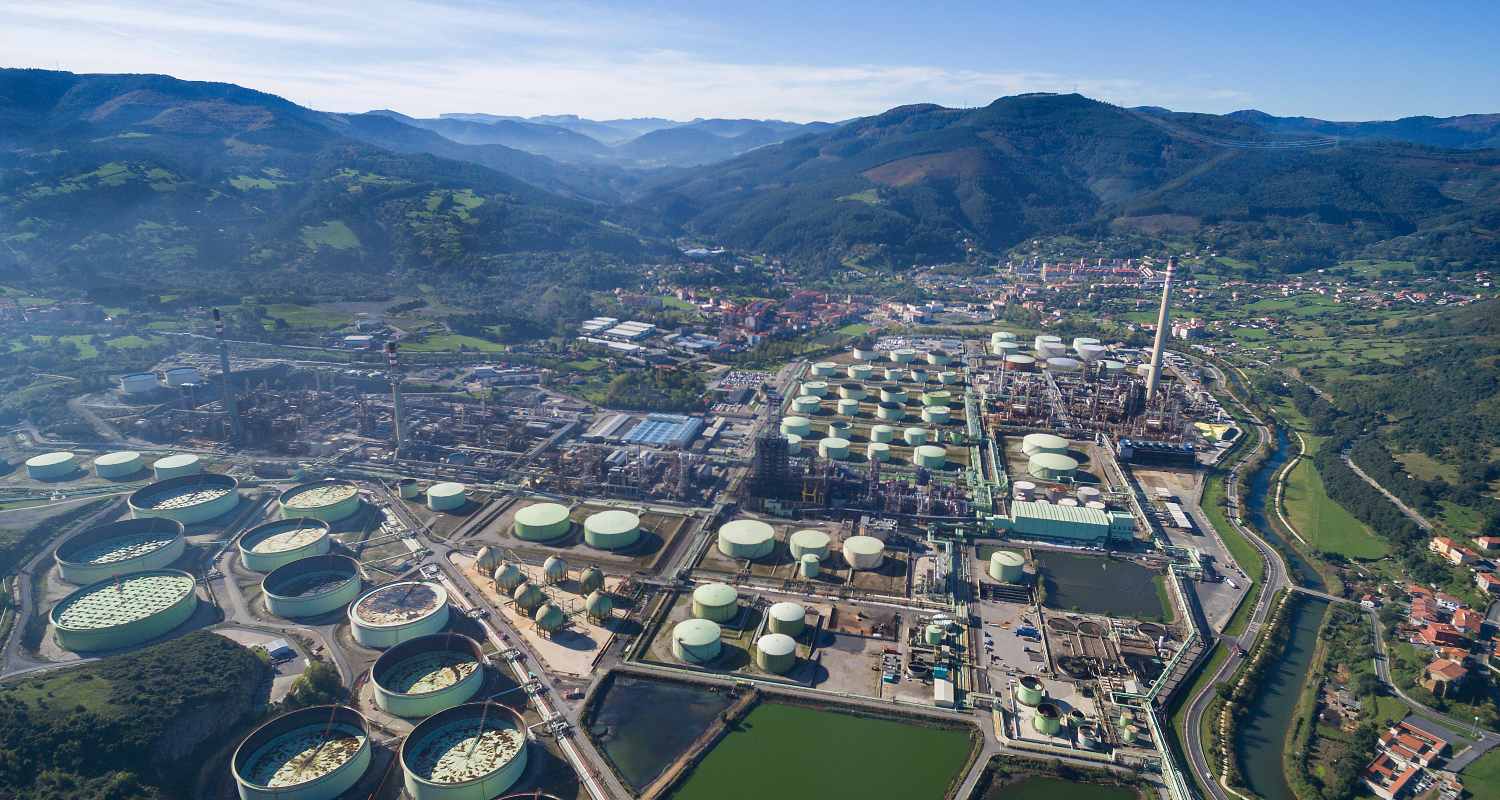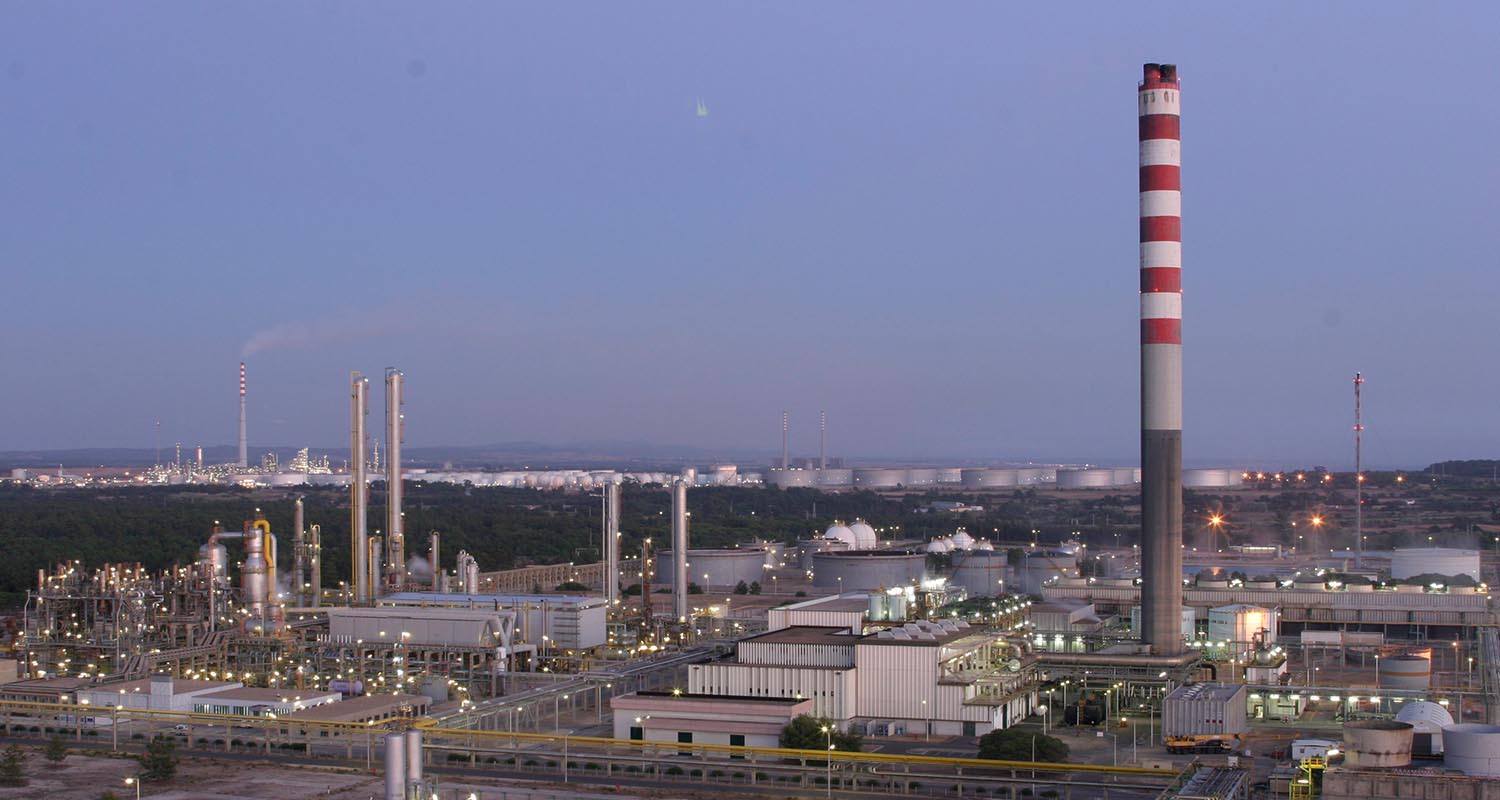
What products come out of a refinery?
What products come out of a refinery?
From transport fuel to the materials we use every day
From transport fuel to the materials we use every day

Director of Industrial Asset Operations
It is barely 10:00 in the morning and you've probably already used dozens of products that come from a refinery. The plastic in your toothbrush, the fabric in sports clothing, when you step on the asphalt of the street...
A refinery is not just the origin of fuel. It is the origin of a good part of the materials with which modern life is built. To know what a refinery produces is to become aware of its relevance to today's economy and society.
What do you get from a barrel of crude oil?
What do you get from a barrel of crude oil?
A barrel of crude oil produces much more than vehicle fuel: butane, propane, naphtha, kerosene, fuel oil and asphalt.
When we think of a refinery, the first thing that comes to mind is the pump of a service station. It makes sense: vehicle fuel is the most visible product. But it's only part of what's generated from a barrel of crude.
That very same barrel yields the butane and propane that power millions of stoves and heating systems in Spain. It also produces naphtha that serves as a raw material for manufacturing plastics, adhesives, paints, foams, textile fibers, and disposable medical equipment such as syringes, catheters, probes, and latex gloves, to name a few examples.
From that same barrel comes the kerosene that fuels aircraft, the fuel oil that propels ships and powers industrial processes, or the asphalt used to pave roads and highways. All this has its origin, in one way or another, in a refinery.
But the full scale of this is better understood when we take a closer look at a few figures. The impact of refining on the Spanish economy is by no means minor: it is strategic.
What products come out of a refinery?
What products come out of a refinery?
Oil products include all materials obtained from refining crude oil:ranging from fuels such as diesel or kerosene to industrial raw material for plastics, asphalts or textile fibers. From each barrel of crude oil, a combination of the following is obtained:
- Fuels
- Butane and propane: power stoves and heating systems in millions of homes.
- Diesel: the fuel powering road transport; Spanish refining produces around 65% of the diesel consumed in Spains.
- Kerosene: the fuel sustaining aviation; Spanish refining produces around 45% of the kerosene consumed in the country.
- Fuel oil: propels ships and powers industrial processes.
- Industrial raw materials
- Naphtha: raw material for plastics, adhesives, paints and textile fibers.
- Basic petrochemical compounds: foundation for disposable medical equipment such as syringes, catheters or latex gloves.
- Construction and heavy industry
- Asphalt: paves roads and highways.
Impact of the refining industry in Spain
Impact of the refining industry in Spain
Oil refining currently provides 97% of the energy consumed by transport in Spain and supplies roughly 50% of the raw materials used by the chemical industry: from automotive and construction to defense or advanced materials, serving as the foundation for much of the economy.
Diesel and kerosene are the two most in-demand products. The former powers road transport, serving as the primary means to enable the mobility of people and goods. The latter supports aviation, a critical sector for a country that welcomes over 80 million tourists a year and whose economy relies heavily on that connectivity.
The ability to produce both products in Spain, alongside the flexibility to process different grades of crude oil, is no minor logistical detail. It's a matter of autonomy.
And to understand this autonomy in all its dimensions, we must look inside the industrial complexes: not only at what they produce, but also at how they are configured to produce it.
More modern and flexible refineries, capable of producing more efficiently
More modern and flexible refineries, capable of producing more efficiently
Not all refineries are created equal. And that difference has very practical consequences for supply.
According to how a conventional refinery works, it distills the crude oil to yield a product mix largely determined by the composition of the raw crude it processes. If that crude oil naturally yields more heavy (lower-demand) fractions than light ones, the output generated will not align with the needs of the economy and society.
At this point, it is important to note that our refineries are equipped with deep conversion units. This means that, rather than simply reparating crude oil components as they occur, we can convert lower-demand heavy fractions into diesel and kerosene, the products society needs most.
This is an advantage that doesn’t happen by chance. It is the result of years of sustained investment in modernizing industrial complexes, precisely to provide them with the responsiveness that less-equipped refineries lack.
That ability to produce more of what is needed most demonstrate its full value when it comes to supply security. Because production is only half the work: the other half is ensuring the product gets where it needs to be, when it needs to be there.
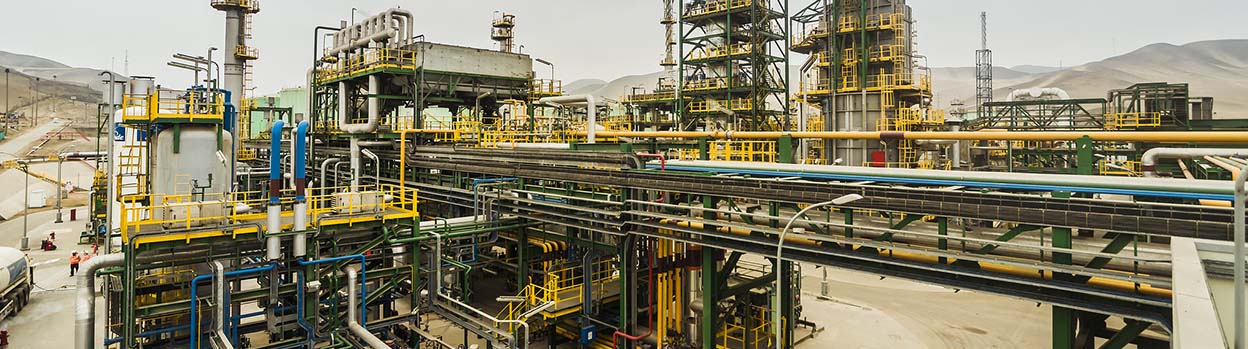
From the industrial complex to the end customer: how products reach their destination
From the industrial complex to the end customer: how products reach their destination
A refinery does not distribute products on its own. In order for all products to reach where they need to, there is an extensive and coordinated logistics chain.
Refined products leave the industrial complexes in three main ways: pipeline, tanker, or truck. Pipelines transport large volumes efficiently across the country. Vessels connect coastal facilities with ports of destination, both domestic and international. Tanker trucks cover the last stretch, from storage deposits to service stations and large industrial consumers.
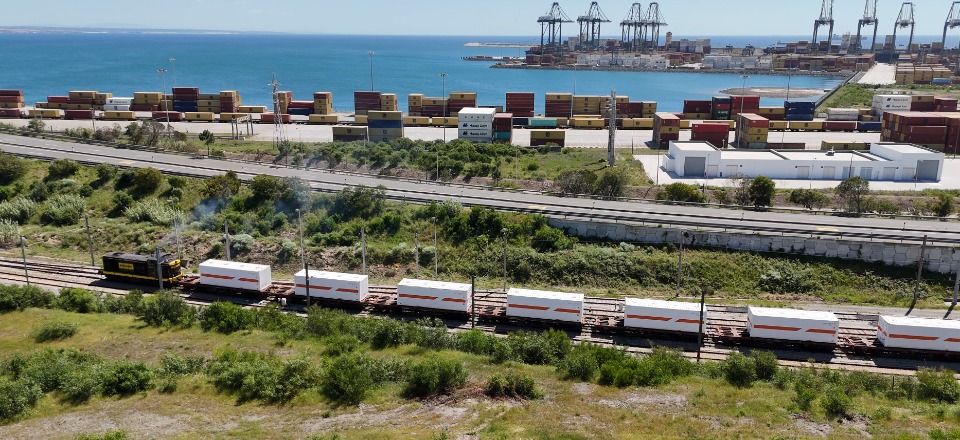
The geographical position of our five facilities in Spain is no coincidence. With a presence in the Atlantic Ocean, the Mediterranean Sea and the Cantabrian Sea, and with access to both the coasts and the interior of the peninsula through the network of pipelines, the system is designed to cover the territory in an efficient and balanced way.
The last link in that chain in the case of fuels are the more than 4,400 Repsol service stations distributed around the world (Spain, Portugal, Mexico and Peru). They are the point of contact between the refining system and the citizen: the moment in which the industrial product becomes something as routine as filling the tank before a trip or refueling the truck that supplies a supermarket.
But for that chain to run smoothly is not something that happens automatically. In times of stress in global markets, maintaining supply requires more than having good facilities. It requires foresight, coordination, and a willingness to act before the problem arrives.
A key industry for the economy and society
A key industry for the economy and society
Now that you know the starting point of the yogurt container you are tasting, the energy that powers your heating or the jet fuel that takes you on vacation, you have a broader view of how cross-cutting a refinery really is.
When you think about it, the magnitude of what is at stake is hard to ignore. Refining is not just another industry. It is a core infrastructure upon which much of what we take for granted every day relies.
¿Quieres estar al día sobre las tendencias que definirán el futuro?
¡No te quedes atrás! Únete a miles de personas que descubren cada mes nuevos contenidos sobre energía, tecnología y hogar.
¿Quieres estar al día sobre las tendencias que definirán el futuro?