Renewable fuels for fleets
Renewable fuels for fleets
Trust based on certifications, manufacturers, and real-world application
Trust based on certifications, manufacturers, and real-world application

Senior Commercial Manager Fleets, B2B Mobility and Integrated Margin
Vehicles driving on our roads every day can already use 100% renewable fuels. We are not talking about a distant technology, but about an available solution that is already being used in real-world mobility conditions.
This is especially relevant in heavy duty transport, where fleet renewal requires time, investment and infrastructure. As this transformation moves forward, we need solutions that can reduce emissions now in vehicles already in operation.
Given this reality, the key question is not just which technology we will use in the future, but how we can reduce the CO2 emissions today from the millions of engines currently on the road. This is where renewable fuels offer an immediate response. But does this new product really protect the engine and provide the same performance? To answer this, we must first understand the technical elements behind this alternative.
100% renewable-sourced Nexa Diesel: premium diesel fuel to reduce emissions in commercial fleets
100% renewable-sourced Nexa Diesel: premium diesel fuel to reduce emissions in commercial fleets
100% renewable-sourced Nexa Diesel is Repsol's premium diesel fuel produced from renewable raw materials, such as used cooking oils. It belongs to the family of renewable paraffinic fuels or HVO. Its structure is similar to fossil diesel, and it is designed for use in diesel engines compatible with the relevant specification, without modifying the distribution and refueling infrastructure.
For a company seeking a premium diesel fuel to reduce emissions in commercial fleets, its main benefit is reducing net life-cycle CO2 emissions by up to 90% compared to the fossil fuel it replaces. The exact percentage depends on the raw materials, the production process, logistics and the certification methodology of each batch.
100% renewable-sourced Nexa Diesel can reduce net life-cycle CO2 emissions by up to 90% compared to its fossil equivalent; while Nexa 95 100% renewable origin gasoline exceeds 70% according to the applicable methodology and certification
The range of renewable fuels also extended to gasoline vehicles, meeting various mobility needs.
Nexa 95 100% renewable origin gasoline is the 95-octane renewable gasoline developed by Repsol and produced on an industrial scale in Tarragona. It can be used in compatible gasoline and hybrid vehicles without engine or supply network modifications and, according to data published by Repsol, reduces net life-cycle CO2 emissions by more than 70% compared to equivalent fossil gasoline. Our guide to renewable fuels explains the technologies and raw materials used.
How quality, compatibility, and traceability are guaranteed
How quality, compatibility, and traceability are guaranteed
Technical trust is built on three pillars that can be verified with data: quality, compatibility, and traceability. .
The first pillar is quality: Its formulation is designed to offer high performance and contribute to the proper engine operation while meeting the quality specifications required for automotive fuels at European and international levels.
The second pillar is mechanical compatibility. Since these fuels are chemically identical to traditional ones, they are fully compatible with today's engines. We have verified that they require no technical modifications to vehicles or adaptations to existing supply infrastructures. Both products can coexist in the vehicle’s same tank, facilitating seamless adoption at no additonal costs to the user.
The third pillar is the life cycle emissions reduction. This approach includes the origin of raw materials, production, transportation, and end use. The International Energy Agency warns that the climate benefit of biofuels varies according to the carbon intensity of the supply chain; that is why transparent methodologies, batch-level data, and independent audits are essential.
But how do we know that each drop rigorously meets these standards for quality and origin?
Certifications: who verifies the origin and quality
The reliability of these fuels is supported by independent certification and verification systems that ensure the traceability of raw materials. Repsol is ISCC-EU certified and operates in accordance with the requirements established by the applicable European regulations. In Spain, SICCRE, the state certification system for renewable fuels, is also being developed. These mechanisms make it possible to demonstrate the traceability of the supply chain, from the origin of the raw materials to the final product. In addition, independent entities such as Control Union participate in supply chain verification processes.
These fuels have been formulated to meet technical performance specifications, even under extreme conditions
From a technical point of view, these fuels are formulated to meet the required standards and operate safely even in demanding conditions. Testing confirms their cold behavior performance, meeting operating specifications even at temperatures down to -10 ºC.
Furthermore, the absence of aromatic compounds helps reduce particulate formation in the combustion chamber, extending the service life of vehicle filters. To protect product integrity and prevent fraudulent practices, we add a unique marker to its formulation capable of identifying its origin, ensuring total confidence for the end consumer.
The ultimate test comes when the fuel is used in real engines and under demanding conditions.
Vehicle and engine manufacturers
This technological solution is also tested and supported by those who design and manufacture the vehicles. We actively participate in pioneering projects together with leading companies such as Toyota, BMW and Bosch, with the exclusive use of around 20 Nexa 95 gasoline vehicles of 100% renewable origin alongside advanced digital traceability technology developed by Bosch.
This platform, called Digital Fuel Twin, enables verification through sensors and data analysis of whether a vehicle has used renewable fuels during operation. Its application is also expanding to real-world commercial transport scenarios, which we will cover later in the section on fleets.
Testing a fuel in a laboratory is essential, but taking it to a competition such as the Dakar Rally allows us to observe its behaviour in one of the most demanding environments for an engine. During this race, we supplied nearly 30,000 liters of renewable fuel to Toyota across stages characterized by dunes, high temperatures and intensive vehicle use. In parallel, the DKR GR Hilux engine is also analyzed at our Repsol Technology Lab, helping us compare the results and continually improve the formulation.
Alongside our motorsport activities, we have jointly developed the new HORSE H12 Concept hybrid engine with the company Horse Powertrain. An engine that, when fueled by 100% renewable-origin Nexa 95 gasoline, achieves maximum thermal efficiencies of 44.2% and keeps consumption under 3.3 liters per 100 kilometers, helping reduce lifecycle CO2 emissions compared to equivalent fossil fuels.
This entire industrial testing ecosystem is backed by the strict criteria of the Worldwide Fuel Charter, a document drafted by global vehicle manufacturers whose support confirms that this is a fully compatible, proven product that protects engine mechanics in the long term.
Which fleets use renewable fuels in Spain?
Which fleets use renewable fuels in Spain?
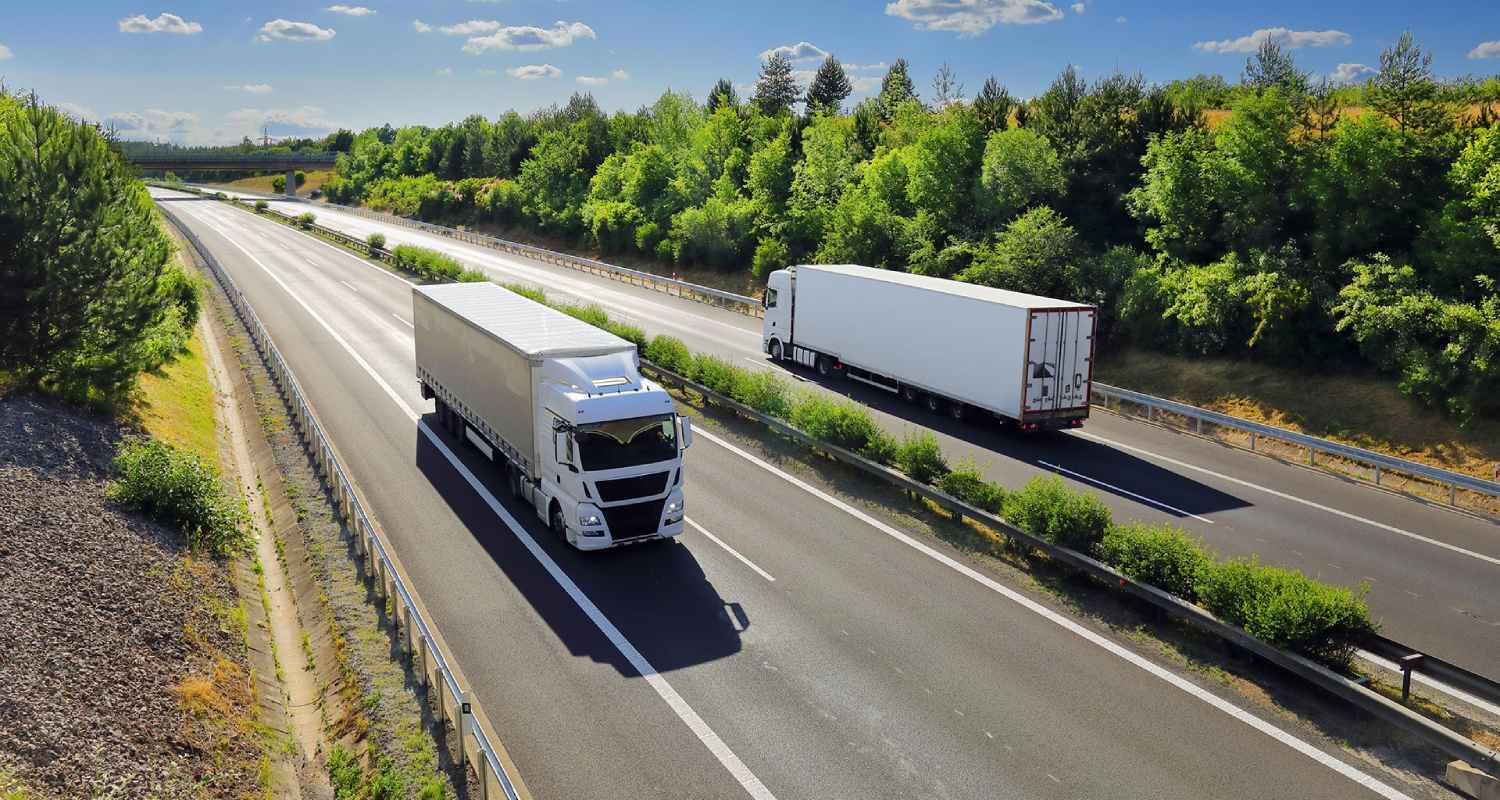
The ultimate test of technical reliability comes from real-world use and continuous mileage on commercial roads. In Spain, we have consolidated our largest supply agreement with Grupo Sesé, supplying them with 15 million liters since 2023. This allows 15% of its road fleet to operate exclusively on renewable fuels. To put this scale into perspective, this volume is equivalent to driving over 26 million kilometers on fuel with lower life-cycle carbon intensity.
Since 2023, more than 415 million liters of Nexa Diesel have been sold in Spain, with a growing presence among commercial customers and a supply network exceeding 1,600 stations across Spain and Portugal
This real-world use is not limited to a single operator. More than 150 transport companies already use this alternative, from large logistics companies to passenger transport operators. These include XPO, Carreras, Serveto, Havi, Rhenus or Luis Simoes, along with companies such as Alsa and Grupo Avanza, which are integrating it into regular bus routes.
Our 100% renewable Nexa Diesel is now available at an extensive network of service stations in Spain and Portugal. This widespread coverage is key to allowing fleets to gradually incorporate it into their daily operations.
Industrial capacity and other forms of mobility
In addition, this expansion is supported by a growing industrial network, with facilities such as Cartagena, capable of producing 250,000 metric tons of renewable fuels per year, and Puertollano, now operational following a 130-million-euros investment and equipped to anually supply an additional 200,000 metric tons of renewable diesel. This is complemented by the Tarragona Industrial Complex, where we achieved a pioneering technological milestone in Europe by producing, for the first time on an industrial scale, Nexa 95 100% renewable origin gasoline, designed to reduce net life-cycle CO2 emissions by over 70% compared to equivalent fossil gasolines.
The application of renewable fuels is not limited to road transport. It is also expanding into sectors where emissions reduction is particularly complex, such as aviation, maritime transport, and rail. In aviation, we supply sustainable aviation fuel (SAF) to companies such as Iberia, Ryanair or Vueling, and we participate in cargo operations such as those carried out for Inditex through Atlas Air.
In the maritime sector, we have long-term supply agreements, such as the eight-year contract signed to supply the Norwegian Cruise Line Holdings fleet in the Port of Barcelona. In the rail sector, our strategic agreement with Renfe allows progress in testing and in the use of renewable fuels on non-electrified lines.
Real-world use across trucks, buses, planes, ships and trains shows that renewable fuels are already an available alternative for reducing net life-cycle CO2 emissions starting today. To scale up deployment across Europe, a stable, predictable regulatory framework based on technological neutrality will be key.
Fleet fuel savings: what to measure
Fleet fuel savings: what to measure
Life-cycle emissions reduction does not automatically equate to consuming fewer liters. Fleet fuel savings depend on vehicle, load, route, speed, driving style, tire pressure, lubricant, maintenance, and environmental conditions.
To rigorously assess fleet fuel savings, it is advisable to compare equivalent periods and track at leats four indicators:
- Energy consumption and liters per 100 kilometers, segmented by vehicle, route and load.
- Total operating cost: fuel price, maintenance, vehicle availability and infrastructure needs.
- Life-cycle greenhouse gas emissions, based on the methodology and certification of each supply.
- Operational continuity: network coverage, refueling times and manufacturer-confirmed compatibility.
A controlled pilot test makes it possible to establish a baseline and isolate the impact of the fuel from other factors. Results should be communicated as data specific to the evaluated fleet, rather than a universal guarantee of savings.
Support from the industry and independent bodies
The competitiveness of European industry depends directly on its ability to adopt effective solutions quickly and in a coordinated manner. For this reason, we have promoted a joint manifesto alongside leading companies such as Alsa, Sesé, BMW Group, IVECO Group, Bosch, Navantia and Técnicas Reunidas.
Technological neutrality makes it possible to combine different solutions (such as electrification and renewable fuels), where each is more effective in reducing emissions, and this vision is aligned with the approach of international reference bodies such as the International Energy Agency and the World Economic Forum, to achieve climate goals.
Through this sector-specific document, we call on institutions for a stable, predictable regulatory framework that promotes technological innovation and guarantees industrial investments. Our primary demand is to classify environmental impact by assessing life-cycle CO2 emissions across the entire energy vector. This would allow all technological options to compete on a level playing field, supported by balanced taxation that encourages their use over traditional alternatives.
This vision of technological neutrality aligns with the approach of leading global organizations. Recent reports from the International Energy Agency (IEA) and the World Economic Forum identify renewable fuels as a necessary solution in hard-to-electrify sectors.
Strong industrial agreements, the capacity to preserve thousands of qualified jobs across industrial complexes, and the creation of new value chains linked to the use of local renewable raw materials demonstrate growing confidence in this alternative across the productive sector.
This industry-wide confidence is reinforced by international recognitions, such as the selection of the Ecoplanta de Tarragona by the prestigious Innovation Fund of the European Commission, an award that rewards the high capacity for technological innovation of our industrial projects aimed at reducing CO2 emissions compared to their fossil equivalents.
Renewable fuels thus provide an additional portfolio of solutions necessary to advance the energy transition.
In short, technical confidence is not built with statements, but with data, tests, certifications and kilometers traveled.
Renewable fuels are already demonstrating that they can contribute starting today to reducing lifecycle CO2 emissions, taking advantage of existing infrastructure and vehicles.
FAQs about Nexa Diesel, Nexa 95 gasoline and fleets
It is Repsol's premium diesel fuel of 100% renewable origin, produced from organic waste. It is designed for compatible diesel engines and can reduce net lifecycle CO2 emissions by up to 90% compared to the fossil fuel it replaces.
Yes. Nexa diesel of 100% renewable origin belongs to the HVO (hydrotreated vegetable oil) category or hydrotreated vegetable oil, a paraffinic fuel obtained through the hydrogenation of renewable and residual raw materials.
It is compatible with existing diesel engines according to Repsol's product information. As an operational check, the fleet operators must review the manufacturer's approval and the model specification, especially on old vehicles or specialized machinery.
It is Repsol’s 100% renewable 95-octane gasoline, developed and produced on an industrial scale in Tarragona. It is compatible with gasoline and hybrid vehicles and reduces net lifecycle CO2 emissions by more than 70% compared to an equivalent fossil fuel, according to the applicable methodology.
There is no universal percentage of liter savings attributable to fuel alone. To measure it, a comparable test vehicle is needed that controls the vehicle type, load, route, driving style, maintenance, and environmental conditions.
Repsol has reported use cases with Grupo Sesé, XPO, Carreras, Serveto, Havi, Rhenus, Luís Simões, Alsa, and Avanza, among other companies. Agreements, volumes, and routes must be updated as new verifiable data is released.
You may be interested in
You may be interested in