Corporate Venturing
Corporate Venturing
Connecting startups and major industrial challenges
Connecting startups and major industrial challenges

Senior investment manager corporate venturing
Behind many of the technologies that will drive the energy transition are startups developing solutions in areas such as decarbonization, circular economy, renewable hydrogen, and industrial digitalization. To identify them, evaluate them and accelerate their development, Repsol has specialized Corporate Venturing teams that act as authentic "startup scouts": they look for technologies with the potential to solve real industrial challenges and accompany them through investment, technical validation and access to industrial infrastructure. The goal is not just to invest in startups, but to help complex innovations mature, scale, and become solutions that transform energy and industry.
How do you discover a technology capable of transforming the energy industry? Where does the next big innovation in hydrogen, CO₂ capture, circular economy, or industrial digitalization appear? At Repsol, this search is part of the daily work of a specialized team that tracks the global entrepreneurial ecosystem in search of startups with distinctive solutions. They are the "startup scouts" of Corporate Venturing, an activity that goes far beyond financial investment: it consists of identifying emerging technologies, validating them in real environments and accelerating their arrival to the market.
Every year thousands of technology startups are born all over the world. Some disappear in a few months; others develop solutions capable of changing entire industries. Separating them from each other, anticipating which ones can become strategic allies and accompanying them in their growth is one of the missions of Corporate Venturing at large companies such as Repsol. It is not just about investing capital, but about detecting innovation with real industrial potential and connecting it with the challenges of the energy transition.
When we think of a scout, we usually imagine someone sitting in the stands of a stadium, watching unknown players in search of the next great talent. In the world of innovation there are also scouts, although their settings are different: laboratories, universities, technology centers, international fairs and entrepreneurial ecosystems.
The race to find the next big energy technology
The race to find the next big energy technology
The energy transition is driving a true technological revolution. New renewable fuels, CO₂ capture, renewable hydrogen, circular materials, artificial intelligence applied to industry, and energy storage solutions are some of the areas where innovations with transformative potential are emerging.
Many of these technologies are born in young, highly specialized companies, with first-rate scientific teams and a great ability to develop disruptive solutions. But to become viable alternatives they need more than a good idea: financing, industrial experience, technological validation and access to environments where they can test their performance in real conditions.
That's where Corporate Venturing comes in.
What exactly is Corporate Venturing?
What exactly is Corporate Venturing?
Corporate Venturing is a tool through which large companies invest in strategic startups to accelerate the development of technologies aligned with their business needs and future challenges. Unlike traditional venture capital funds, where the main objective is usually exclusively financial profitability, here the investment also allows early access to innovations that can have industrial impact.
The key difference from traditional venture capital lies in the reason for the investment. A venture capital fund mainly seeks financial return: buy low, scale the startup, and sell high within a defined time frame. A Corporate Venturing vehicle like Repsol's pursues a double objective: to obtain financial return, indeed, but above all to gain early access to technologies that can be integrated into the industrial operation and the company's decarbonization strategy. That's why startups receive, in addition to capital, access to pilot plants, technical knowledge and validation in real operating conditions.
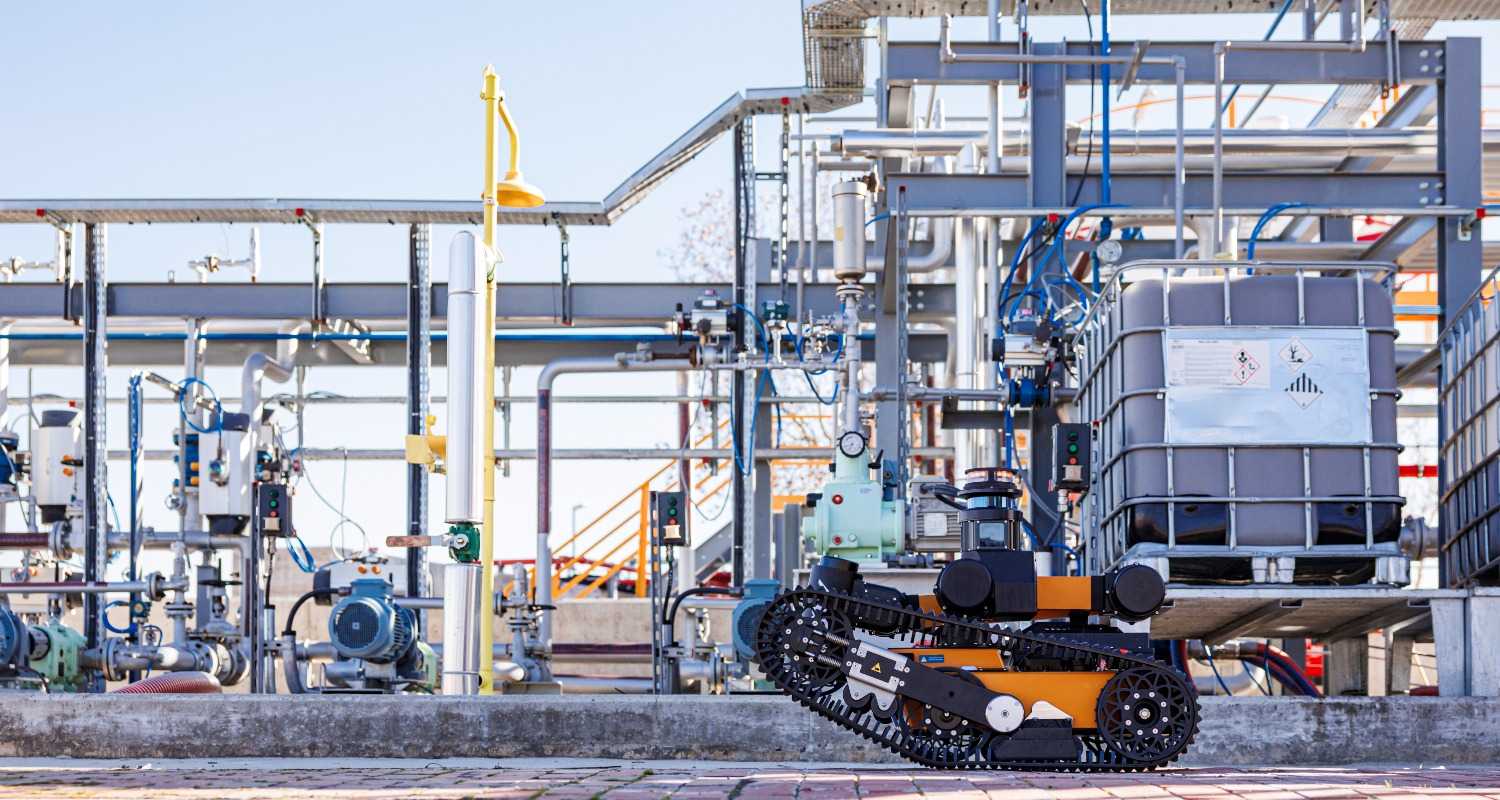
Startup scouts
Startup scouts
There is a huge amount of prior work behind every investment
At Repsol, the search for startups is organized in a structured and specialized way. A dedicated Corporate Venturing team identifies, analyzes, and tracks technologies aligned with the company's strategic priorities. Added to this work is the contribution of the experts at Repsol Technology Lab, the company's innovation and technology center, who help evaluate the potential of each proposal.
Their job is to answer complex questions:
- Will this technology be able to solve a real industrial problem?
- Does it have the capacity to scale?
- Is there a distinctive technological advantage?
- Is it aligned with decarbonization goals?
Corporate Venturing's work is not to find promising startups, but to identify technologies capable of solving real industrial challenges.
The search is not limited to reviewing presentations or business plans. It involves analyzing trends, collaborating with universities and technology centers, participating in innovative ecosystems and continuously monitoring the technologies that are emerging in different parts of the world.
What Repsol is looking for in a startup
What Repsol is looking for in a startup
Not all startups fit within the strategy. The focus is mainly on technologies related to the energy transition.
Some of the priority areas include:
- Decarbonization technologies.
- Circular economy.
- Renewable hydrogen and new energy vectors.
- Industrial optimization and efficiency.
- Advanced mobility.
- Industrial digitalization and applied artificial intelligence.
- Carbon capture, use and valorization.
The key is that they are not just promising technologies on paper, but solutions with the potential to become real industrial applications.
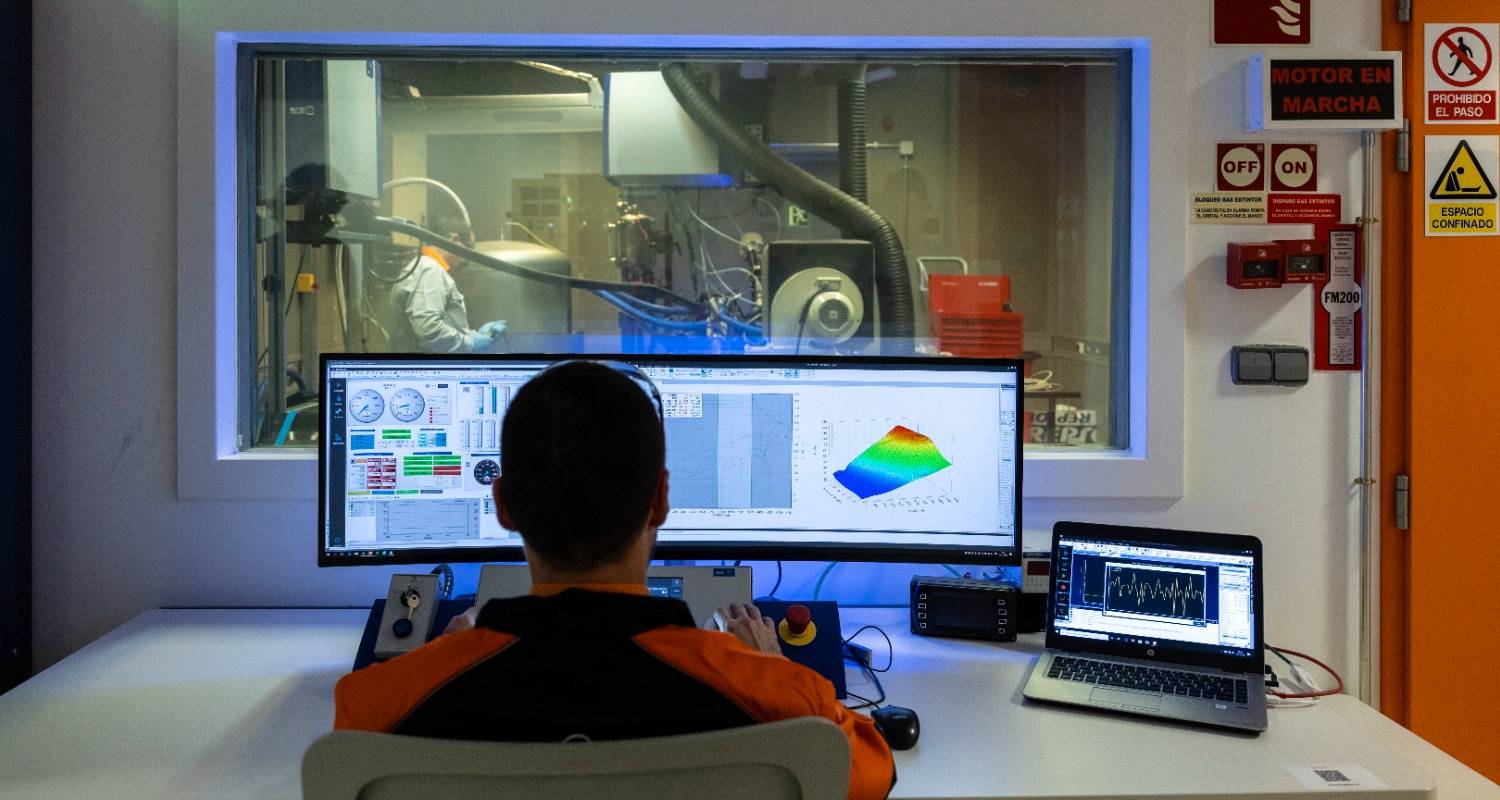
Much more than funding
Much more than funding
One of the main differentiating elements of the Repsol Corporate Venturing model is that the company acts not only as an investor, but also as an industrial partner. This means that, in addition to capital, it can provide technical knowledge, testing capabilities, pilot plants and access to environments where startups can validate their developments in real-world-like conditions.
When a technology comes out of the lab
One of the great challenges of any technological startup is to overcome the so-called "valley of death": the difficult step between a promising innovation and a viable commercial solution. In that journey, the actual tests are decisive, because they allow us to check critical aspects related to safety, reliability, performance or costs before a commercial deployment.
We're not looking for startups, we're looking for solutions
The work of the Corporate Venturing teams is not simply to find promising companies, but to identify technologies capable of solving real industrial challenges related to the energy transition, which are scalable, with teams capable of managing this growth.
This approach explains why Repsol's portfolio is mainly made up of companies working in areas such as the circular economy, renewable fuels, renewable hydrogen, CO₂ capture and utilization, waste recovery, and industrial digitalization. They are complex technologies, with a high impact potential, which require combining capital, expert knowledge and industrial infrastructure to advance from the development phase to their possible scale-up.
Some examples include: Ingelia, specialized in transforming wet biomass into new energy products through hydrothermal carbonization processes; Trovant Technology, focused on modular solutions to produce biomethane from biogas; or Perseo, which develops technologies to convert organic waste into bioethanol. Although they operate in different fields, they all share a common need: to validate and scale technologies before reaching the market. That's where an industrial partner like Repsol can contribute scientific knowledge and access to real operating environments.
This model is complemented by Net Zero Ventures, the venture capital fund launched together with Suma Capital to drive technologies capable of accelerating the energy transition. Repsol acts an anchor investor with a contribution of €50 million and the vehicle reached a final closing of €210 million committed in 2025. The fund is aimed at companies in more advanced stages of development (scaleup), which need financing and support to make the leap from technological validation to industrial and commercial scale-up.
Overall, Repsol Corporate Venturing has invested in more than 35 companies since its creation, with a cumulative investment of close to €150 million and a current portfolio of 16 startups. But the success of the model is not measured only by the number of transactions carried out, but by its ability to help complex technologies cover the path that separates a good idea from an industrial solution capable of generating real impact.
Finding tomorrow's solutions today
In sports, a scout's job seems to end when they discover new talent. In Corporate Venturing, on the other hand, that discovery is just the beginning. What is really important is to accompany the technology, help it mature, validate it in real conditions and facilitate its arrival to the market.
In a context of accelerated energy transformation, finding, accompanying and scaling the right technologies can be as important as developing them internally. That's where new startup scouts are helping to write the future of energy: connecting entrepreneurial talent with big industrial challenges and turning emerging innovation into impactful solutions.
FAQs about Corporate Venturing
Corporate Venturing is a tool through which large companies invest in strategic startups to accelerate the development of technologies aligned with their business needs and future challenges. In the case of Repsol, it is mainly oriented towards technologies linked to the energy transition and decarbonization.
In the purpose of the investment. A traditional venture capital fund mainly seeks financial return: buy low, scale the startup and sell high within a defined time frame. A Corporate Venturing vehicle like Repsol's pursues a double objective: financial return, indeed, but above all early access to technologies that can be integrated into the industrial operation and the company's strategy. In addition to capital, startups receive access to pilot plants, technical knowledge and validation in real conditions.
Startups linked to the energy transition, with high scientific content and real industrial potential. The priority areas are decarbonization technologies, the circular economy, renewable hydrogen, advanced mobility, industrial digitalization, artificial intelligence, and CO₂ capture, use, and valorization.
Repsol Corporate Venturing has invested in more than 35 companies since its creation, with a cumulative investment of close to €150 million. The current portfolio consists of 16 startups in different stages of development. Some companies in the portfolio are Ingelia, Trovant Technology or Perseo.
Net Zero Ventures is the venture capital fund launched by Repsol together with Suma Capital to drive technologies capable of accelerating the energy transition. Repsol participates as an anchor investor with €50 million and the vehicle reached a final closing of €210 million committed in 2025. It is aimed at companies in more advanced stages of development (scaleup).
The “valley of death” is the difficult step between a promising innovation and a viable commercial solution. It is a critical phase in the life of any technology startup, where many promising ideas are lost due to a lack of resources, testing capacity or validation in real environments. Overcoming it requires combining capital, expert knowledge, and industrial infrastructure.
¿Quieres estar al día sobre las tendencias que definirán el futuro?
¡No te quedes atrás! Únete a miles de personas que descubren cada mes nuevos contenidos sobre energía, tecnología y hogar.