Electricity mix in Spain
Electricity mix in Spain
A diversified electricity system as the basis for the energy transition
A diversified electricity system as the basis for the energy transition

Corporate Strategy Division
Pressing the switch is all it takes to have light at any time. A continuous supply that depends not on a single generation source, but on a combination of technologies that is constantly changing. That combination is the electricity mix: the proportion in which each technology (wind, solar, hydroelectric, nuclear or combined cycle) contributes to the electricity that reaches homes and businesses. But why are multiple energy sources needed to operate at the same time, and why does this share constantly shift?
The electricity mix: definition and key concepts
The electricity mix: definition and key concepts
The electricity mix is the combination of generation technologies that a country uses to produce the electricity it consumes. Each source - wind, photovoltaic solar, hydroelectric, nuclear, combined cycle - contributes a different proportion, and that proportion constantly changes depending on the weather, demand and availability of each technology. In technical terms, we also talk about the electricity generation mix or electricity production mix: they are synonyms that describe the same thing.
The electricity mix, energy mix and generation: Three concepts that should not be confused
The electricity mix, energy mix and generation: Three concepts that should not be confused
Before moving forward, it is necessary to distinguish three terms that are often confused.
- Total energy mix is the combination of all the sources that a territory uses to cover its energy demand, not just electricity. It includes all economic sectors: primary (agriculture, livestock, mining...), secondary (industry, construction...), tertiary (services, transportation, residential...).
- The electricity mix refers only to the sources that are used to produce electricity. This is the concept this article is about.
- Electricity generation is the process, and the resulting amount, of electricity that is actually produced from those sources in a given period.
Thus, for example, heating water with natural gas in a domestic boiler is part of the total energy mix, but not of the electricity mix, because in that process electricity is not generated at any time.
What makes up the electricity mix in Spain in 2026
What makes up the electricity mix in Spain in 2026
In 2025, Spain generated 272,201 GWh of electricity, which is the highest figure recorded so far, according to Red Eléctrica's data. Of that total, 150,988 GWh came from renewable sources, also an all-time high. Wind led the distribution for the third consecutive year, with 21.6% of production. This was followed by nuclear (19%), solar photovoltaic (18.4%), and combined cycle, i.e. plants that generate electricity by burning natural gas (16.8%), and hydraulics (12.4%). Overall, renewable energies contributed 55.5% of all electricity generated in Spain, a figure that amounts to 56.6% if the estimated production of self-consumption facilities derived from solar panels is added.
In 2025, renewable energies contributed 55.5% of the electricity generated in Spain, and wind topped the mix for the third consecutive year
The first months of 2026 confirm this trend. According to data from Red Eléctrica, in April renewable technologies covered 59.8% of the total, with solar photovoltaic leading the way after growing by 24.2% compared to the same month in 2025. Over the month as a whole, photovoltaics accounted for 25% of national production, ahead of nuclear (19.1%) and wind (18%).
If the estimate of self-consumption is added, the weight of renewables in April stands at 61.3%, bringing the proportion of electricity produced that month from technologies that do not generate direct greenhouse gas emissions during the electricity generation phase at 78.9%.
What each source contributes to the electricity generation mix
What each source contributes to the electricity generation mix
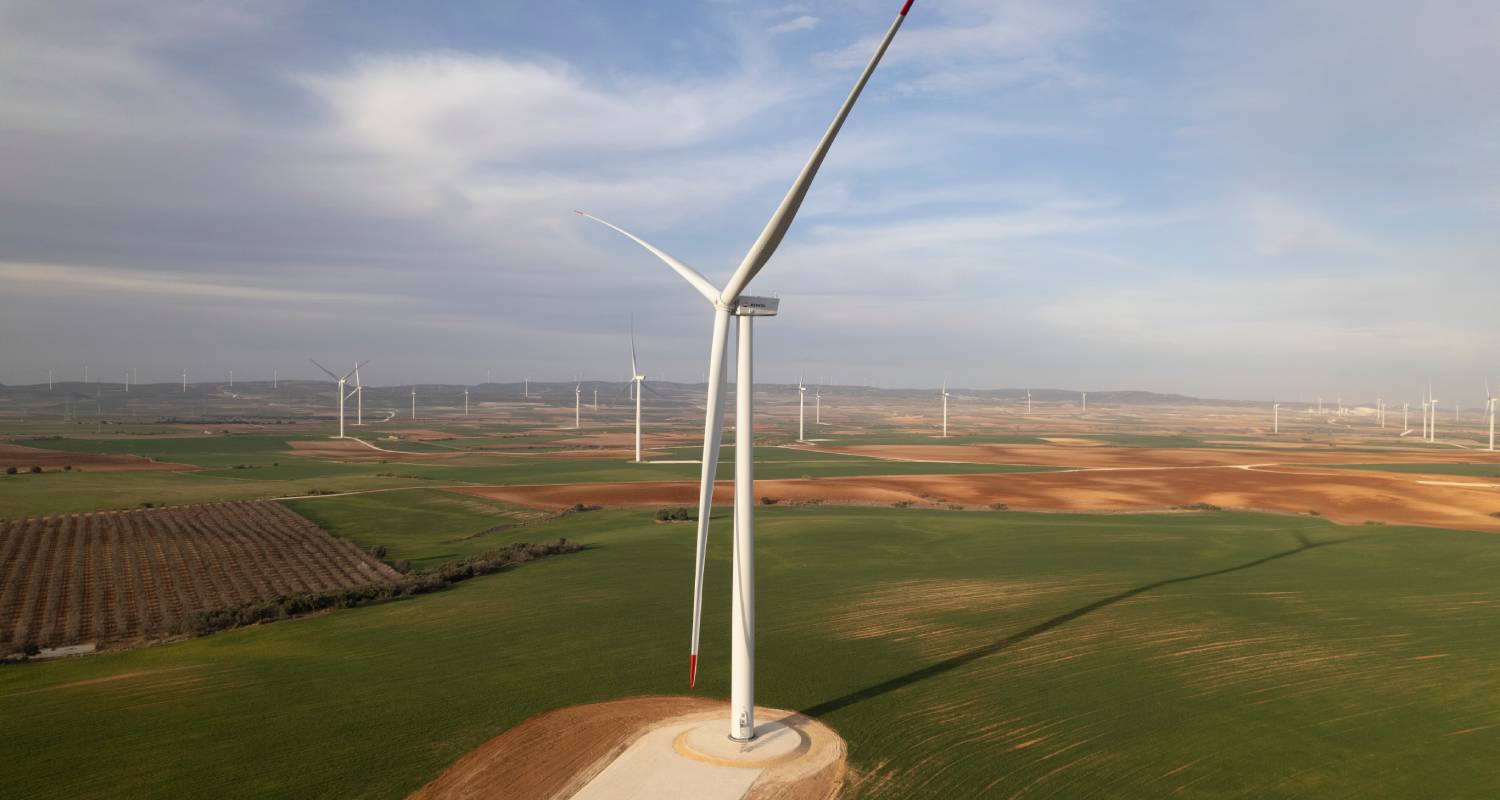
- Wind. It provides the largest volume of renewable generation in the system, with production distributed throughout the year and at practically all hours of the day.
- Solar. It provides sustained growth year after year and concentrated production in the middle of the day, when solar radiation is highest. Most of this growth comes from solar photovoltaic power, but it can also be solar thermal power.
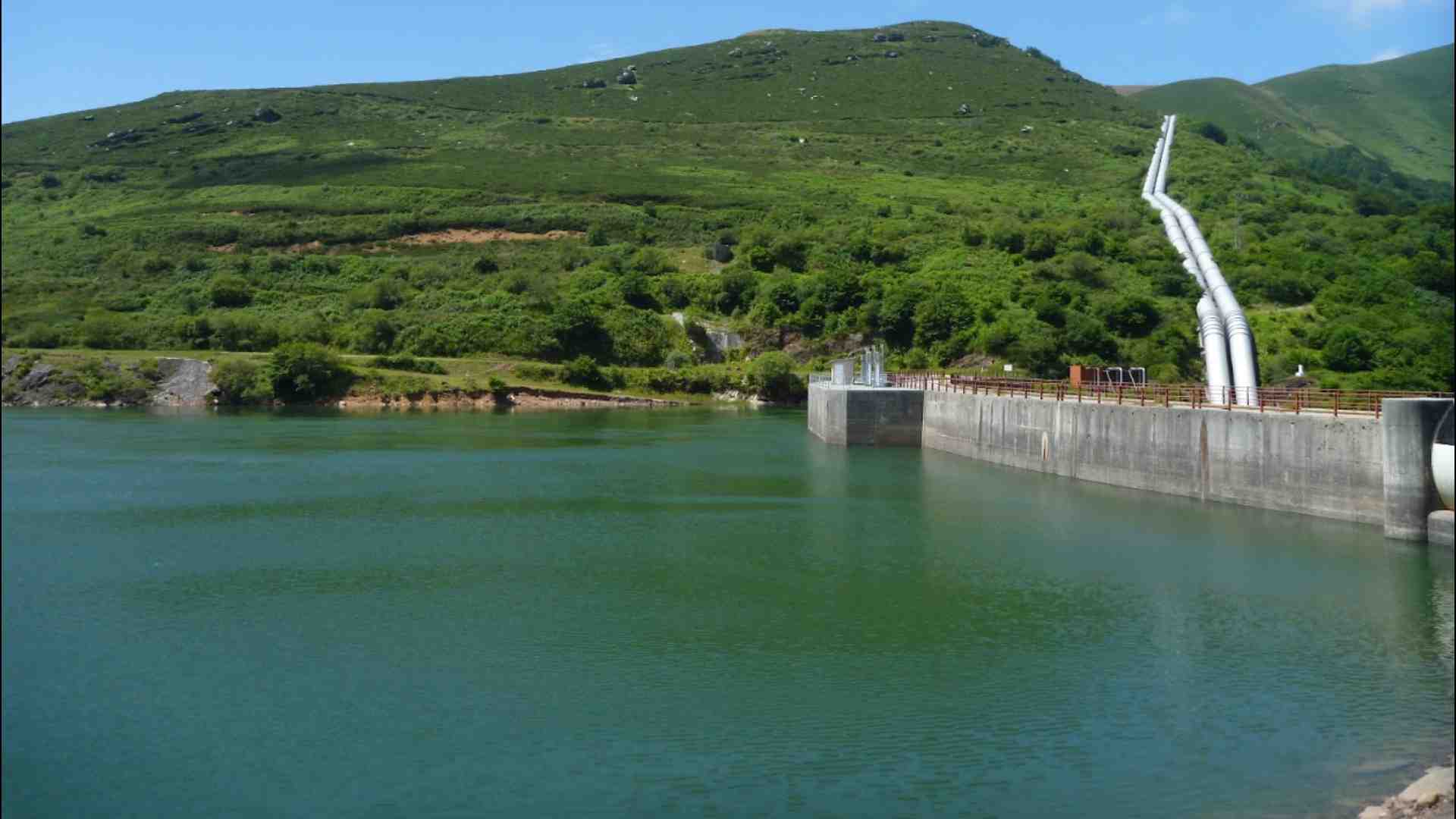
- Hydroelectric It can be of three types: run-of-river, reservoir or pumped-storage plants. The last two types provide flexibility, as they can be modulated according to what the system needs at all times, raising or lowering production in a matter of minutes.
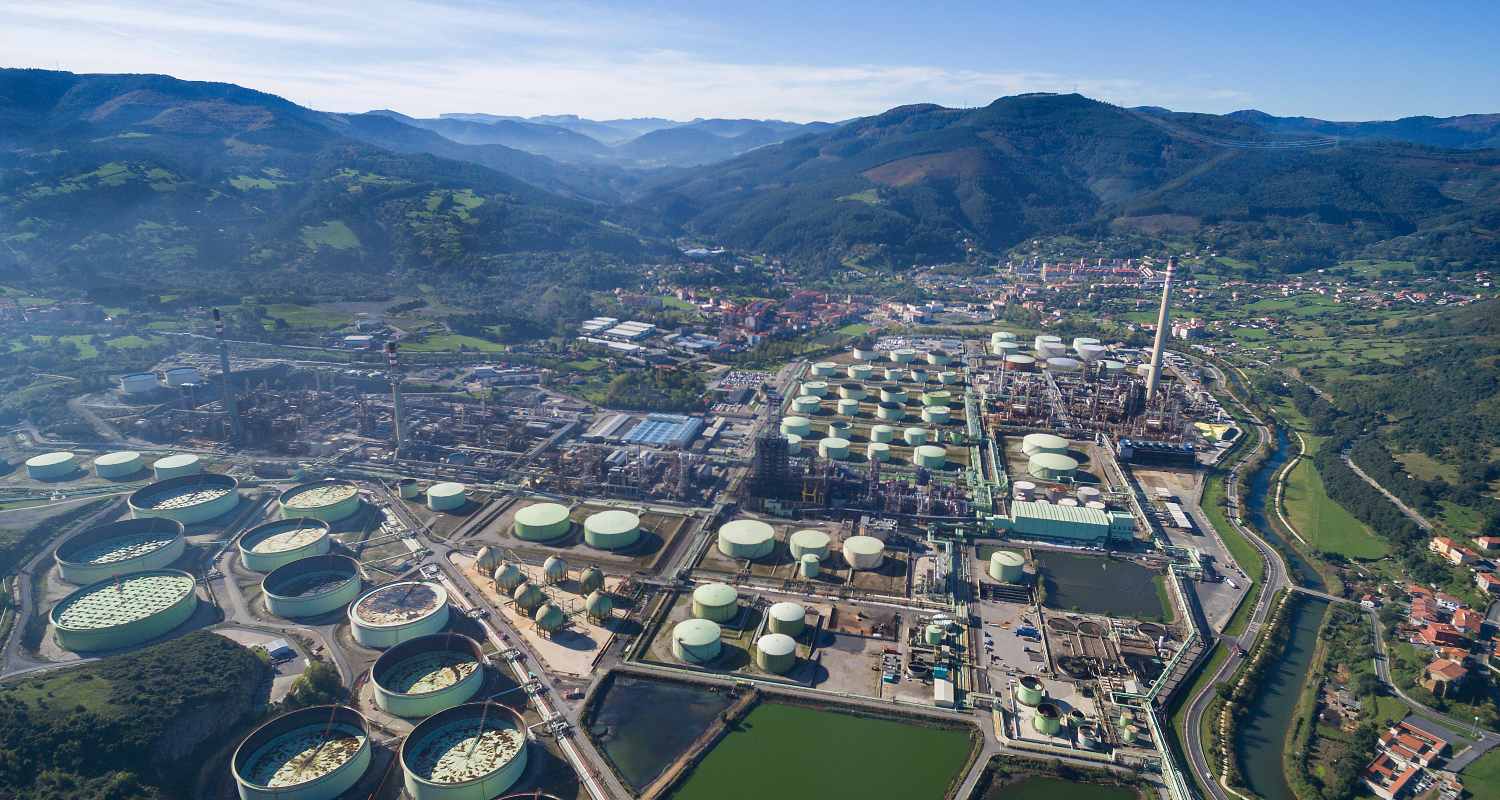
- Thermal. It mainly includes combined-cycle plants, which ensure rapid response capacity when the system requires it, especially at times of lower renewable generation. It also includes cogeneration, which uses gas or biomass to produce electricity and heat with high efficiency.
- Nuclear. Continuous and stable generation, with a constant production profile throughout the year that provides a firm base to the system.
These technologies can be classified in different ways. Some are dispatchable, such as reservoir hydro, combined cycle or nuclear, because they can provide production in a more predictable or flexible way; others, such as wind and solar, are non-dispatchable or variable, since they depend on the wind and the sun. A distinction is also made between synchronous technologies, which provide physical inertia to the system, and therefore natural stability to the grid, such as conventional thermal, nuclear or hydroelectric power plants, and technologies connected via power electronics, such as solar photovoltaic or part of wind power. From an environmental point of view, some are renewable and others are not; some do not emit CO2 directly during generation, such as wind, solar, hydroelectric and nuclear; and, in addition, they can be differentiated into indigenous sources, available within the territory itself, and sources that depend on imported fuels.
Why the electric mix changes throughout the day
Why the electric mix changes throughout the day
The electric mix is not a fixed snapshot. It varies continuously because demand changes - consumption is not the same at dawn as in the mid-afternoon - and because the availability of each technology is not constant either: the sun, the wind, the level of the reservoirs or maintenance shutdowns modify the electricity that can be produced at any given moment. In the wholesale market, generators and buyers submit bids for each quarter-hour of the next day; these bids are ranked from lowest to highest price and matched with expected demand. The latest technology required to meet all demand sets the price for each quarter-hour, in a system known as marginal pricing.
In this context, when supply exceeds demand - for example, because high renewable production and nuclear generation that operates continuously and with less flexibility for technical and economic reasons coincide - a dual effect occurs. On the one hand, when technologies with low variable cost enter, the wholesale price tends to fall and may even approach zero or be negative at certain times. On the other hand, if there is not enough demand, available grid capacity, or economically viable storage to absorb that surplus, part of the energy cannot be used: energy spillage occurs. At other times the opposite may happen, i.e. generation shortages to meet demand, forcing the grid operator to disconnect consumers, e.g. industries, to avoid a total grid collapse.
Regarding curtailment, until there are sufficient and competitive batteries and other flexible solutions, these episodes reflect both a lower economic value of electricity in those hours and available energy that ends up being wasted.
Why it is important to diversify the electricity mix
Why it is important to diversify the electricity mix
An electricity mix composed of several technologies fulfills important functions for the system as a whole, beyond simply adding up the capacity of each one.
- Ensure supply at all times. The sun and wind don't always match demand, so other sources capable of filling those gaps are needed, either by generating electricity on demand or storing surplus energy for later use.
- Provide stability to the entire system. Combining different technologies helps strengthen the power system’s resilience against operational incidents or variations in the supply of certain energy sources.
- Reduce exposure to certain price risks. A diversified system is less dependent on a single fuel source, although this requires nuance, as a varied mix does not in itself guarantee stable prices. The cost of electricity also depends on the international price of gas, the price of CO2 emission allowances, demand, interconnections with other countries and the design of the wholesale market, where energy is bought and sold.
The combination of different technologies can contribute to strengthening the resilience of the electricity system in the face of operational incidents or variations in the supply of certain energy sources.
The electricity mix in Europe: there is no single recipe valid for all countries
The electricity mix in Europe: there is no single recipe valid for all countries
There is no ideal, universal combination. Each country builds its own mix based on its natural resources, geography, existing infrastructure, and policy decisions over the last decades.
The contrasts in Europe are striking. According to European Commission data for 2024, in Malta 85% of electricity came from fossil sources, while in France nuclear power accounted for about 67% of the mix. Denmark generated 58% of its electricity with wind power, and Austria reached a similar share of 58% with hydropower. Hungary and Luxembourg led in solar, with 24% each.
Spain, with its high solar radiation, wind resources and hydro base, has developed a highly diversified electricity mix featuring a high share of renewable energy compared to other European countries: in combined wind and solar generation, the country ranked second in Europe in 2025, only behind Germany.
The challenge of integrating solar and wind into the electricity mix
The challenge of integrating solar and wind into the electricity mix
The electrical system works on a principle of physics that allows no exceptions: the electricity produced must be consumed in real time or stored. There is no other option. Any imbalance between generation and demand affects the frequency and stability of the entire grid.
The electricity produced must be consumed in real time or stored. There is no other option
The variability of solar and wind power requires the system to be balanced in real time, minute by minute. On April 28, 2025, at 12:33:30, a widespread blackout occurred in the Iberian Peninsula’s power system, an event known in the industry as a "zero voltage"condition, a widespread failure involving a total drop in grid voltage.
Red Eléctrica coordinated supply restoration by combining support from neighboring electrical systems with power plants capable of black start without the need for external electricity and managed to restore service in most of the affected areas throughout that same day and the following night. The subsequent analysis of the incident concluded that it did not have a single cause, but several circumstances that combined in a very short time frame.
Constructively, the episode illustrates why integrating variable sources such as solar and wind requires additional balancing tools: greater interconnection with neighboring countries, increased demand-side flexibility, and more storage capacity distributed throughout the system.
Energy storage as a pillar of the electricity mix in Spain
Energy storage as a pillar of the electricity mix in Spain
When the system generates more electricity than it needs at any given time, that energy can be stored for later use, rather than lost. Industrial batteries absorb daytime solar surplus to feed it back into the grid at night, while demand response allows industries and households to adjust their consumption in real time based on system signals. Energy storage is a key element for integrating all renewable sources into the mix.
Pumped hydro storage is, by far, the most mature and dominant option at scale. Spain has 3,427 MW of installed storage capacity, of which 3,331 MW come from pumped hydro and only 96 MW from batteries. In April 2026 alone, 1,128 GWh were added to the grid thanks to these two technologies, which made it possible to make better use of the renewable generation available at any given time. Infrastructures such as the Aguayo plant in Cantabria, currently undergoing expansion, exemplifies the role this technology plays in providing flexibility and stability to the system as a whole.
Turning on the light without a second thought is possible thanks to this diversity of sources, understood also as a dynamic balance that shifts every few minutes. That reliability rests on a diverse mix and the ability - and necessity - to store and balance energy at every moment.
As the share of variable technologies such as solar and wind grows, the energy transition requires the entire electrical system to evolve, not just power generation. Investments in stronger, digitalized, and interconnected grids will be required to connect increasingly dispersed supply - wind farms, solar plants, self-consumption or distributed facilities - with demand centers. Managing when and how electricity is consumed will also be key: shifting consumption to periods of peak renewable generation, leveraging price signals, integrating self-consumption and storage solutions, and supporting customers in adopting new energy habits. In this context, the market must not only value the energy produced, but also the availability of resources capable of providing firmness, absorbing surpluses or reducing consumption at critical moments. Hence the importance of mechanisms such as capacity payments, which reward availability to ensure security of supply. Well designed, these instruments can incentivize investments in grids, storage, demand management, and firm and flexible technologies, facilitating an orderly transition to a more renewable, secure, and efficient system.