Industrial competitiveness and reindustrialization in Spain
Industrial competitiveness and reindustrialization in Spain
An opportunity for Europe to produce what it consumes again
An opportunity for Europe to produce what it consumes again

Director of Refining and Chemicals
European industry today faces one of the most demanding challenges of recent decades: adapting its processes towards a lower-emissions model and, at the same time, maintaining its competitiveness vis-à-vis other global markets. This transformation process is vital for the economic future of the continent, but the operational indicators highlight structural tensions that require attention.
According to the 2022-2025 European Chemical Closures & Investments Radar report by the European Chemical Industry Council (Cefic), plant closures in the European chemical industry resulted in a cumulative loss of 37 million metric tons of production capacity between 2022 and 2025, representing about 9% of the European total
These are facilities that manufactured products that society consumes daily, but that we now import from other continents. The annual pace of chemical capacity closures has increased six-fold since 2022. Behind these figures, an inescapable question arises: To what extent is this situation due to the energy transition, and how much is it driven by other factors affecting European competitiveness?
Reindustrialization: what it is and why it is a priority in Spain
Reindustrialization: what it is and why it is a priority in Spain
Reindustrialization is the process by which a country or region regains industrial weight in its economy through new productive investments, the modernization of the existing industrial base, and the development of strategic sectors. It is not only about opening or reopening factories, but about preserving industrial capabilities, strengthening our own value chains, attracting new technological investments and creating the conditions to compete in the future economy.
In Spain, the share of industry in the economy is below the European average, highlighting the potential to strengthen its role as an engine of competitiveness and growth. Reindustrialization is thus at the center of the economic policy debate: a country with a weak industrial base depends more on imports, is more vulnerable to supply crises and has less capacity to generate skilled, stable employment.
What does it mean to reindustrialize Europe?
Reindustrializing Europe means not only maintaining or recovering factories, but preserving strategic industrial capabilities, attracting new investments, developing technology, and reinforcing the value chains needed to compete in the future economy.
It also involves strengthening our own value chains, reducing external dependencies in critical areas, and creating the conditions for the energy transition to translate into industrial activity, innovation, and competitiveness. In this sense, reindustrialization must be understood as a long-term commitment to an industrial policy capable of supporting the productive, technological, and competitive deployment that Europe needs.
What is meant by industrial competitiveness today?
What is meant by industrial competitiveness today?
Modern competitiveness is not based on a race to lower wages or accumulate trade surpluses. Competitiveness is, above all, a matter of productivity, industrial capabilities, access to technical knowledge, continuous innovation, and strategic security.
Europe is starting from a position of strength, thanks to the size of its market, its business, its industrial capabilities, and its technological know-how.
The GDP per capita gap between the European Union and the United States has widened in recent decades, largely due to lower European productivity growth. According to the Draghi report, about 70% of this gap with the United States is due to this reason. In Spain, the share of industry in the economy is below the European average, highlighting the potential to strengthen its role as an engine of competitiveness and growth. But understanding what it means to be competitive is not enough: it is also necessary to analyze the factors affecting our industry’s capacity to grow, invest and generate value.
Energy cost: one of the main competitiveness challenges for industry
Energy cost: one of the main competitiveness challenges for industry
The cost of energy directly affects Europe's ability to compete. Historically, there have been differences, but gas prices for European industry remain structurally higher than in the United States, having reached up to five times their level since 2022. At the same time, industrial electricity is also significantly more expensive in Europe: in 2024, prices for electro-intensive industries were about twice as high as in the United States and higher than in China.
Electro-intensive sectors are those whose operations depend on high, continuous electricity consumption such as the production of aluminum, steel, cement, glass, paper or basic chemicals.
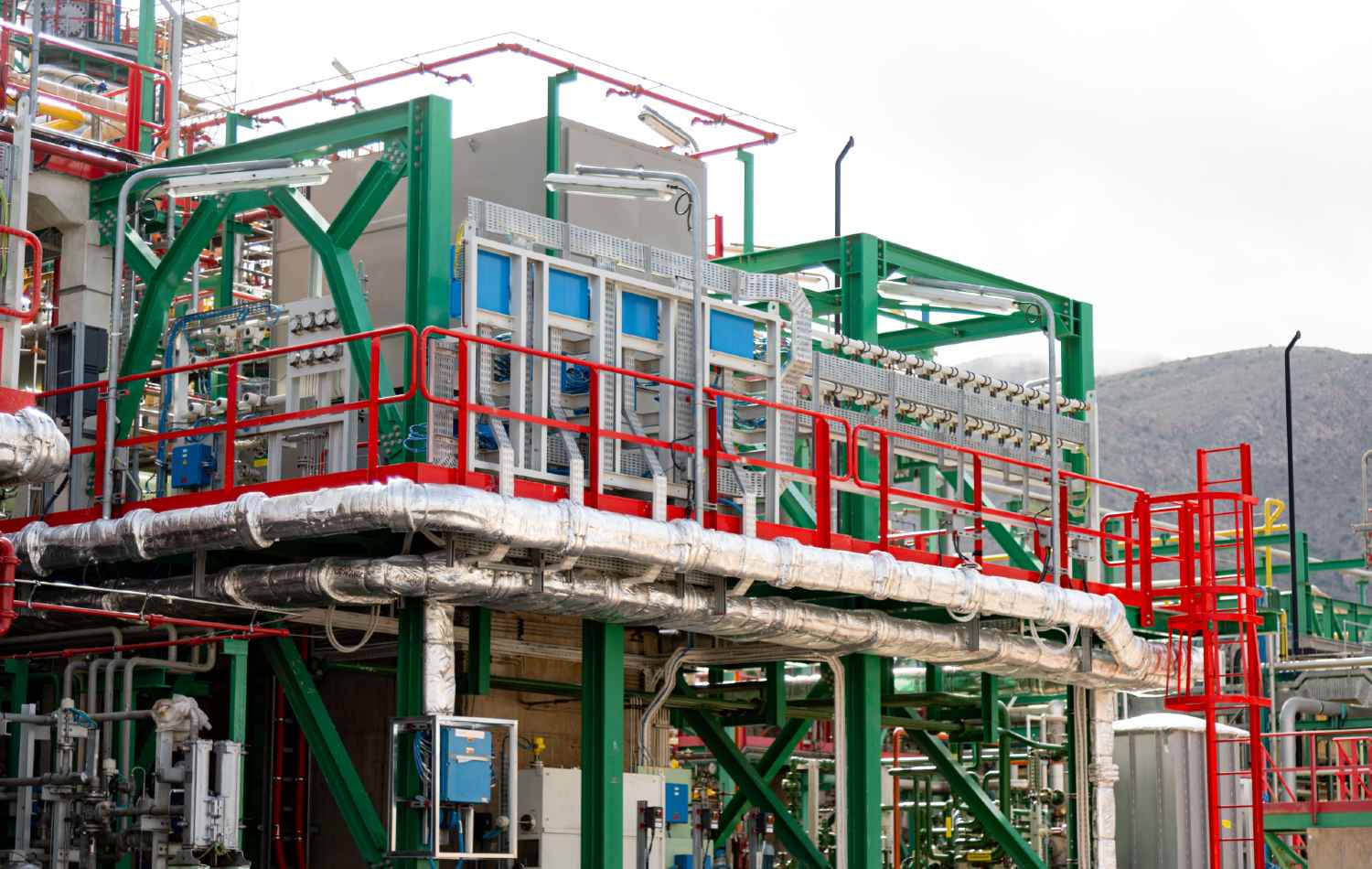
At present, gas prices in the European Union are between three and five times higher than in the United States, directly affecting our productive capacity
Not all industry sectors are affected in the same way by this difference. The impact is particularly high in energy-intensive industries, those where electricity, gas or industrial heat are essential for processing raw materials and maintaining continuous production. In these cases, energy is not just another cost, but a structural competitiveness factor. For this reason, sectors such as chemicals, steel, cement, glass, or paper are particularly sensitive to any price increases or supply uncertainties.
In this way, high energy costs have become one of the main obstacles to investment by European companies, especially in sectors with higher energy intensity. Industries of this type, such as chemicals, basic metals, minerals and paper, account for 16% of European manufacturing value added, but have seen a 10% to 15% drop in production since 2021.
Although gas account fora small share of European electricity generation, its cost heavily impacts final electricity prices because it tipically sets the market price. All this has caused the European Union's fossil fuel import bill to skyrocket, going from €341 billion in 2019 to €416 billion in 2023, equivalent to 2.7% of the continent's GDP. In the case of Spain, recent reports indicate that the industrial energy cost is 2.5 times higher than that of China and the United States.
The challenge of the energy transition: reducing emissions without losing industrial competitiveness
The European Union has one of the most ambitious climate frameworks in the world, with the goal of reducing its net emissions by at least 55% by 2030 compared to 1990. In direct contrast, the United States has set a non-binding target of 50-52% compared to 2005, while China aims only to reach its peak emissions before the end of the decade. This regulatory asymmetry generates highly uneven operating costs.
Transforming processes to reduce carbon intensity in the four main European industries will cost around €500 billion over the next fifteen years. Today, these investments lack standalone commercial viability in the face of international competition.
We note with concern how Europe’s demand for technology is growing while it loses industrial ground. The European Union is the world's second-largest market for deploying solar and wind technology, but our global share of wind turbine manufacturing fell from 58% in 2017 to 30% in 2022. In solar photovoltaic technology, production is largely dominated by China. During 2023, Europe imported 43 billion euros worth of emission reduction technologies from China, of which more than €17 billion was accounted for by battery purchases.
The asymmetry in public incentive programs is clear. China has funded these technologies with a share of GDP twice as high as that of the European Union. At the same time, regulations such as the US Inflation Reduction Act (IRA) offer between €37 billion and €250 billion in direct incentives for industrial manufacturing. By contrast, the European Union expects to provide a maximum of €8 billion to support its industrial manufacturing in the 2021-2027 period.
The result of this dynamic in essential sectors is clear: the rate of closures in the chemical industry has increased sixfold since 2022, losing 37 million metric tons of capacity. This represents the loss of around 20,000 direct jobs and puts 89,000 indirect jobs at risk.
The position of the Alliance for the Competitiveness of Spanish Industry
The position of the Alliance for the Competitiveness of Spanish Industry
The Alliance for the Competitiveness of Spanish Industry, which brings together the country's main industrial sectors (chemicals, food processing, cement, steel, paper, aggregates and others) and represents about 60% of national industrial production, has identified electricity cost reduction as one of the most urgent levers to boost the competitiveness of industry.
Without competitive electricity prices, reindustrialization is impossible. This is the position shared by the Alliance for the Competitiveness of Spanish Industry and by much of the country's industrial network
In May 2026, the Alliance presented to the CEOE the report "Affordable Electric Power Plan for Spanish Industry", prepared by EY Consulting, which proposes five structural measures to reduce the final price paid by industry between 10 and 30%. The initial assessment is clear: industrial tariffs, excluding taxes, have increased between 35% and 60% since 2019, which places Spain at a disadvantage compared to other European partners such as France or Germany.
The convergence between the sectoral diagnosis and the European debate is evident: reducing the structural energy cost for industry is a necessary - albeit not sufficient - condition for reindustrialization to materialize.
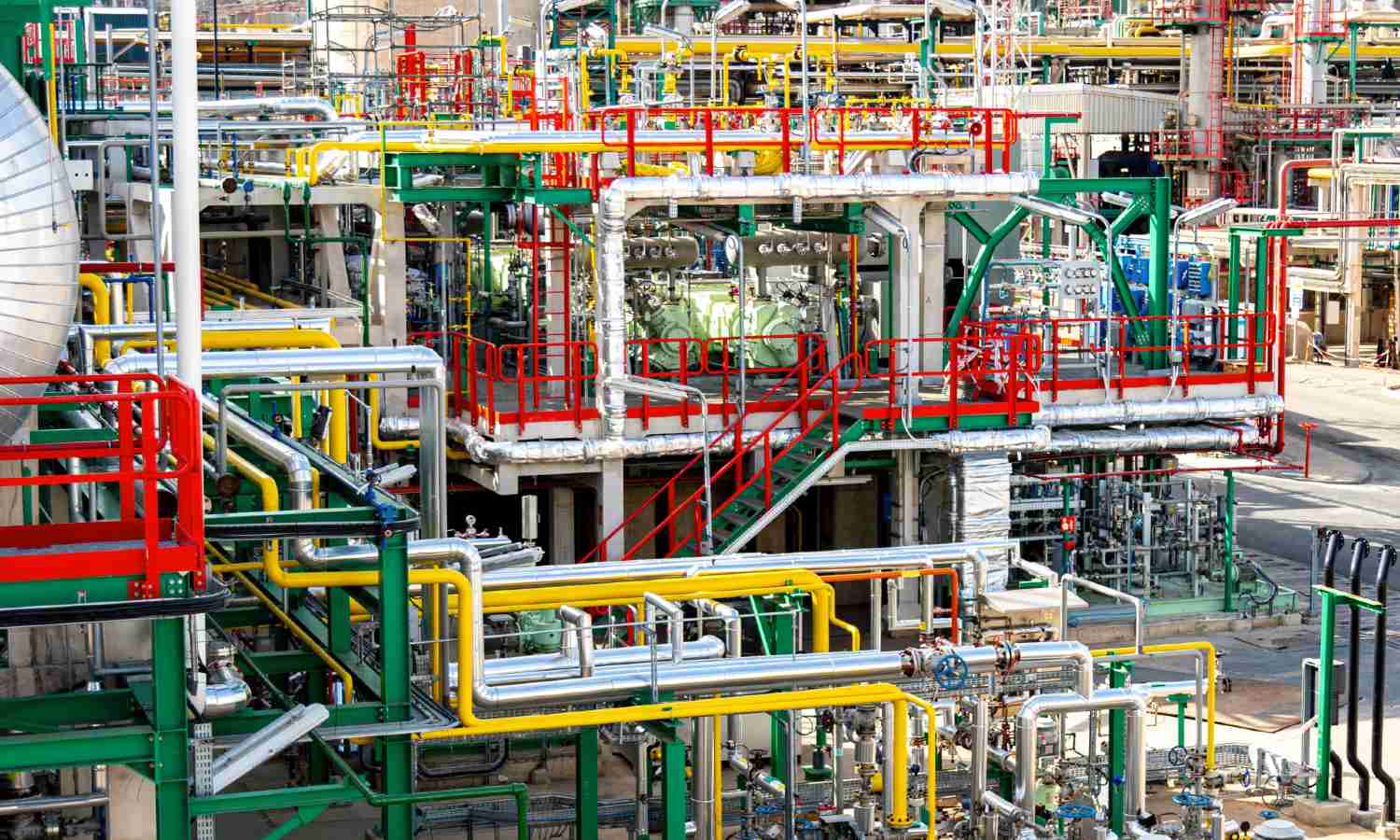
Reindustrialization as an opportunity: the role of renewable fuels
Reindustrialization as an opportunity: the role of renewable fuels
Recent reports, such as the one prepared by Mario Draghi, explicitly indicate that reducing emissions is also an opportunity for economic growth for European industry, provided it is accompanied by competitive conditions. Europe has relevant technological and innovation capabilities in technologies linked to the energy transition that can become an industrial advantage.
The development of renewable fuels can generate economic activity and employment throughout their entire value chain, from sourcing raw materials to their production and distribution
Liquid and gaseous fuels continue to represent a very important part of global final energy consumption and will maintain an important role in the coming decades, particularly in hard-to-electrify applications.
The main international agencies in the energy sector expect that liquid and gaseous fuels will continue to play a significant role in 2050, although their share will depend on technological developments and energy policies.
Spain has ideal technical and industrial conditions to lead this mode shift. We benefit from abundant renewable energy, a diverse industrial network, and a refining capacity that ranks among the most modern and efficient in Europe. An investment that strengthens our autonomy: renewable fuels generate between 10 and 30 jobs for per million dollars invested, compared with 5 - 10 jobs for conventional fossil alternatives. Much of this job base is also built in rural areas through raw material supply chains.
Three conditions for reindustrializing Europe
Three conditions for reindustrializing Europe
For this industrial opportunity to materialize, we consider it essential to establish a clear and operational framework in Europe.
- Reducing energy costs for industry. Simply adding generation capacity is not enough: Europe needs to redesign its market mechanisms to deliver efficiency to the end consumer, accelerating long-term electricity contracts and Contracts for Difference. Likewise, investment in transmission networks is critical. The deployment of new electricity generation must be accompanied by significant investments in networks to integrate that capacity and bring energy to consumers.
- Genuine technological neutrality. We are committed to an approach where all options play a role. In the short term, electrification cannot address hard-to-abate sectors such as aviation, shipping, heavy-duty trucking, or high-temperature industrial processes. Renewable fuels can complement electrification and other technologies in applications with significant technical or economic barriers to electrification. European regulation should assess energy options based on their full life-cycle emissions, rather than solely on use-phase emissions. Likewise, applying a differentiated tax regime for renewable fuels would facilitate investments and accelerate their commercial deployment.
- Coordinated industrial policy at the European level. Current fragmentation among Member States weighs down competitiveness. By way of example, consider the energy price gap within the European Union itself, which doubled in 2022 and increased by 15% in 2023. Long lead times for new energy infrastructure can hinder the pace of investment required for industrial transformation. Transforming the European economy will require mobilizing substantial public and private investment.
Repsol’s projects for industrial competitiveness in Spain
Repsol’s projects for industrial competitiveness in Spain
Through concrete investments, Repsol is demonstrating that this operational deployment is possible. Active projects across the country’s industrial complexes show how industrial investment and the energy transition can move forward in a coordinated way:
| Project | Funds invested | Capacity | CO2 avoided/year |
| Cartagena | €250M+ | 250,000 t/year of 100% renewable fuels | 900,000 t |
| Puertollano | €130M+ | 200,000 t/yr. renewable fuels | 700,000 t |
| Tarragona (Ecoplanta) | - | Pioneering 100% renewable gasoline plant | - |
| Bilbao and Cartagena | - | Renewable hydrogen electrolyzers | - |
Our company is already demonstrating that this operational deployment is possible. In the Cartagena complex, we have invested more than €250 million in a plant that has the capacity to produce 250,000 metric tons of 100% renewable fuels per year, avoiding up to 900,000 metric tons of CO2 per year. A productive effort that we have replicated in Puertollano, where we have invested over €130 million to convert a plant that can produce up to 200,000 metric tons of renewable fuels per year and avoid around 700,000 metric tons of CO2 per year. In addition, we are driving pioneering infrastructures such as Ecoplanta in Tarragona, whose industrial complex also features a groundbreaking 100% renewable gasoline plant, and new renewable hydrogen electrolyzers in Bilbao and Cartagena. These projects show how investment and innovation can translate into new industrial capacity and efficiency-enhancing solutions.
Strategic Vision: Transform without losing our drive
Reducing emissions and industrial competitiveness are not inherently contradictory goals. However, the data shows that they are not automatically compatible either. Managing a industrial transition of this scale without a pragmatic and coherent industrial policy comes at a heavy price: closed operating plants, structural loss of qualified employment and new unaffordable external dependencies.
Europe has industrial, technological and human capabilities that can become a competitive advantage in the new energy economy. The key question is whether all the parties involved today have the institutional will to coordinate them.
FAQs on reindustrialization and industrial competitiveness
Reindustrialization is the process by which a country or region regains industrial weight in its economy through new productive investments, the modernization of its existing industrial network, and the development of strategic sectors. It goes beyond reopening factories: it involves preserving industrial capabilities, strengthening our own value chains, attracting new investments in technology, and reducing external dependencies in critical areas.
Because the share of industry in the Spanish economy remains below the European average. A country with a weak industrial base is more dependent on imports, more vulnerable to supply shocks, and creates fewer skilled, stable jobs. Strengthening industry is a prerequisite for competing in the economy of the future and for ensuring that the energy transition translates into local productive activity rather than technological reliance on third countries.
Industrial competitiveness is the ability of an industry to produce goods and services that can compete in the global market in a sustainable way. It depends on productivity, access to technical knowledge and innovation, the cost of factors of production (especially in energy-intensive sectors), built-up industrial capabilities, and strategic security of supply for key raw materials and technologies.
Because in energy-intensive sectors - chemicals, steel, cement, glass, paper, aluminum - energy is not just another cost, but a structural factor in the production process. An electricity or gas price significantly higher than that of international competitors directly impacts the viability of investments and can lead to closures or offshoring. In 2024, electricity prices for Europe’s energy-intensive industry were about double those in the United States.
The Alliance for the Competitiveness of Spanish Industry is an organization that brings together the main industrial sectors of the country (chemicals, food processing, cement, steel, paper, aggregates and others) and represents about 60% of national industrial production. Its role is to liaise with public administrations to promote measures that strengthen the competitiveness of the Spanish industrial network, with special focus on energy cost, industrial policy and regulatory simplification.
Key areas to boost industrial competitiveness include: reducing the energy cost for intensive sectors through long-term contracts (PPAs, Contracts for Difference) and strengthening grid infrastructure; applying the principle of technological neutrality in European regulation, allowing renewable fuels, electrification and renewable hydrogen to compete on a full life-cycle basis; and deploying a coordinated industrial policy at the European level that avoids regulatory fragmentation and mobilizes public and private investment at the necessary scale.
You may be interested in
You may be interested in