Low-carbon generation
Low-carbon generation
What it is, why it's strategic, and what projects drive it
What it is, why it's strategic, and what projects drive it

Senior Media Relations Manager, Low-Carbon Generation
Low-carbon generation brings together the technologies that make it possible to produce energy with lower CO2 emissions. It has become increasingly important because it meets a clear need, and it is now one of the main levers of the energy system, reducing emissions while still guaranteeing a secure, affordable energy supply capable of sustaining and developing economic and industrial activity.
Spain has particularly favorable conditions to advance this model. The availability of natural resources, together with a consolidated technological and industrial base, makes it possible to drive large-scale projects and give the country a prominent position in the international energy landscape.
What low-carbon generation is and the types of energy
What low-carbon generation is and the types of energy
Low-carbon generation means producing energy with the smallest possible carbon footprint, while maintaining a safe, reliable and competitive supply for homes, industry and the economy.
Low-carbon generation is not limited to a single technology.
These technologies complement each other. Together, they make it possible to move toward an energy model with lower emissions intensity, without sacrificing the ability to respond to demand.
1. Wind Energy
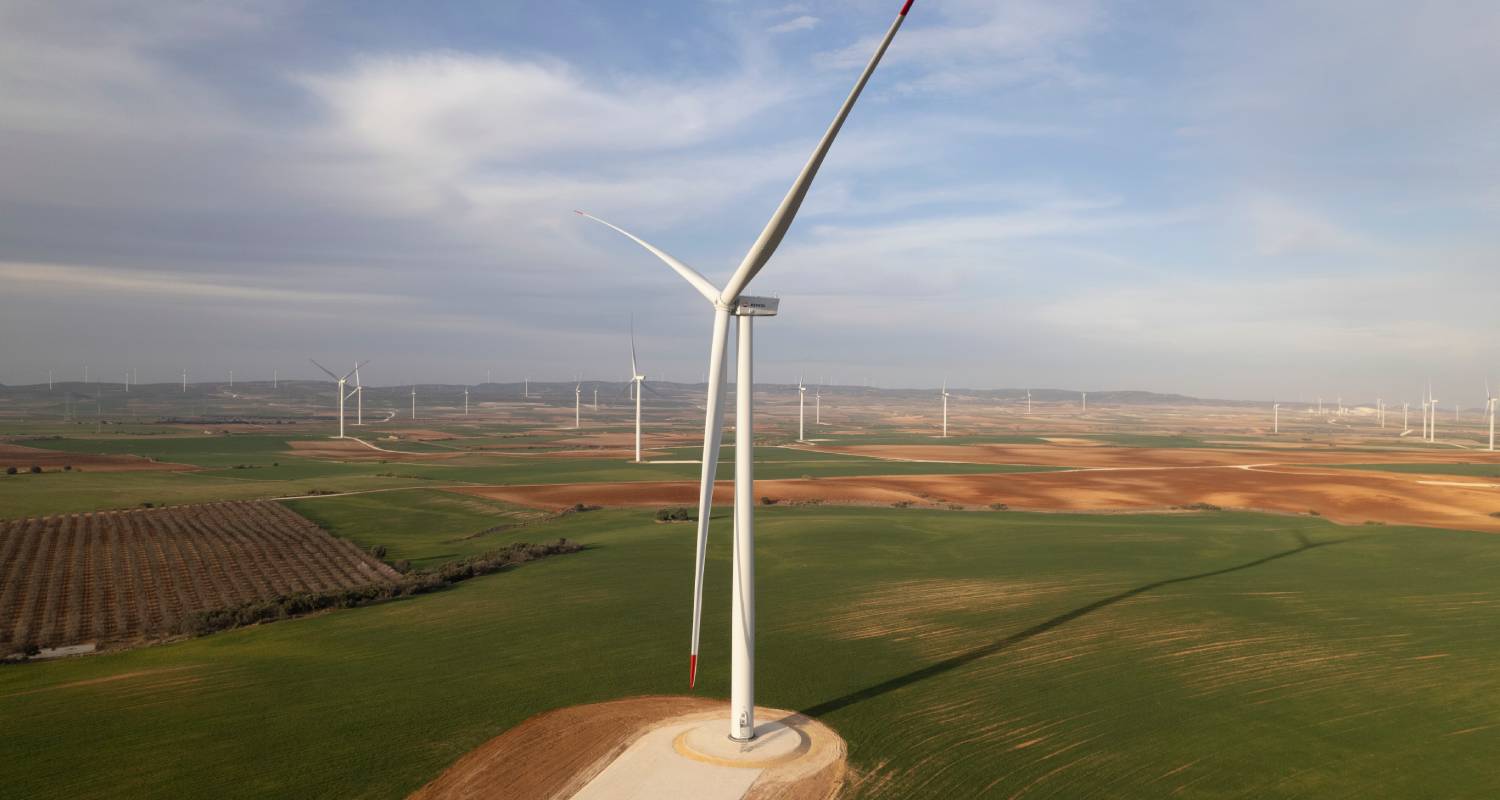
Wind turbines transform the force of the wind into electrical energy. A set of these forms a wind farm. There are two types, depending on their location:
- Onshore wind energy: installed on land, in places with high wind resources such as steppes or coastal regions.
- Offshore wind energy: installed in the ocean to take advantage of stronger winds. They are divided into:
- Fixed structure: built on foundations on the seabed (in water depths of up to 60 meters).
- Floating: floating structures moored to the seabed, which allows them to be installed in deeper waters farther from the coast.
2. Combined Cycles
These are power plants that run on natural gas. The main feature of a combined cycle is that it converts thermal energy into electricity through two consecutive cycles:
- Gas Turbine Cycle (Brayton cycle): generates electricity through the direct combustion of natural gas.
- Water-Steam Cycle (Rankine Cycle): uses the hot exhaust gases from the first cycle to generate steam, which drives a second turbine to produce more energy.
3. Hydroelectric Power
There are three main types of hydroelectric power plants according to their operation and water management:
- Reservoir plants: the most common type. They use dams to retain water and regulate its flow to the turbines, allowing energy to be produced when it is most needed.
- Run-of-river plants: divert part of a river's flow to turbines and then return the water to the river. Their output depends directly on the river's flow.
- Pumped-storage plants: they work like a “giant battery”.
- At low demand: surplus energy is used to pump water from a lower reservoir to an upper one.
- At high demand: water flows down from the upper reservoir to the lower one to generate electricity.
4. . Solar Energy
Solar energy is divided into three main technologies depending on how the radiation is used:
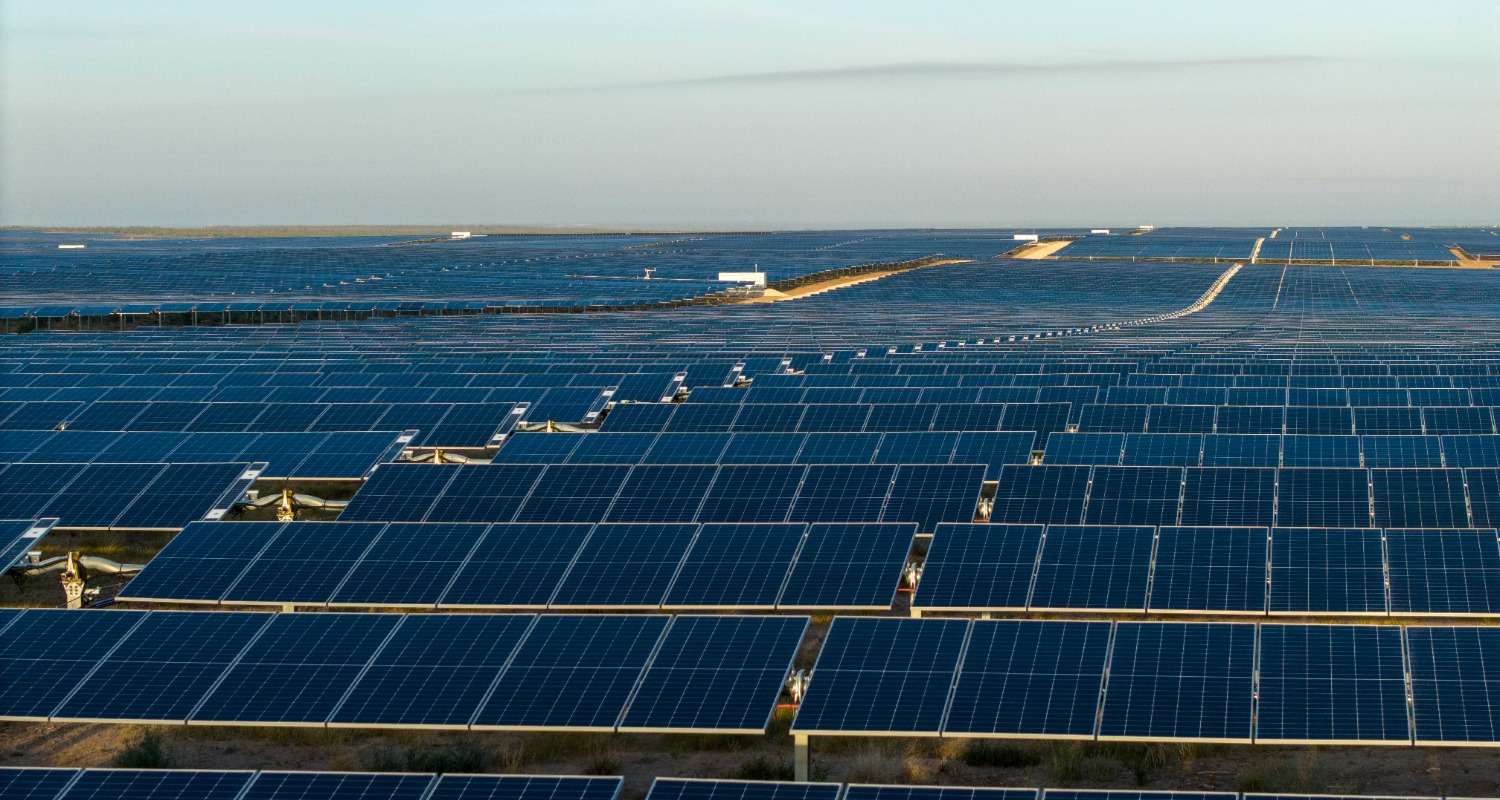
- Photovoltaic: transforms solar radiation directly into electricity through panels with photovoltaic cells that release electrons when struck by light.
- Solar Thermal: uses collectors to transform radiation into heat. It is mainly used to heat domestic hot water or for space heating systems.
- Thermoelectric: unlike basic solar thermal, this technology uses heat to generate electricity (rather than using heat as the end product).
Why low-carbon generation is important
Why low-carbon generation is important
The energy system is undergoing a profound transformation. Demand for electricity continues to grow, driven by electrification, technological development and industrial activity.
At the same time, there is a growing need to reduce the emissions associated with that energy, which poses a clear challenge: to produce more electricity, but with less impact.
In our view, this process requires a balanced approach. Reducing emissions is necessary, but so is maintaining competitiveness, ensuring supply and avoiding cost increases that could affect industry and consumers.
That is where low-carbon generation proves its strategic value. It allows us to make progress in reducing emissions while building a more diverse, flexible system that is prepared to adapt as demand evolves.
This approach is also part of our evolution as a company. In recent years we have expanded our energy model, incorporating new solutions and increasing the share of renewable generation in our business.
It is not a question of replacing some technologies with others immediately, but of moving toward a broader mix that can meet all of the system's needs.
How Repsol's low-carbon generation model works
How Repsol's low-carbon generation model works
Low-carbon generation is not limited to producing electricity. It is part of a broader value chain that connects different stages of the energy system.
From electricity generation to end use
The process begins with the production of electricity from low-carbon sources. But the value doesn't end there.
That electricity must be integrated into the grid, managed efficiently and adapted to consumption patterns. This means working across the entire chain, from generation to end use.
In this respect, the ability to integrate different solutions is key to ensuring that energy is available when it is needed.
System integration and efficiency
Renewable energies depend on natural conditions. That is why their growth must go hand in hand with other tools that help balance the system.
This is where infrastructure that can store energy or manage its distribution more efficiently comes into play, such as combined-cycle or hydroelectric plants.
This approach improves the overall functioning of the system and allows better use of available resources.
Industrial and regional impact
Each low-carbon generation project has a direct impact on the surrounding area.
Its development involves engineering, construction, operation and maintenance. This generates employment, mobilizes investment and activates a network of suppliers.
In many cases, these projects are located in areas where they contribute to boosting the local economy and generating industrial activity.
As a result, low-carbon generation not only transforms the energy system, but also acts as an engine of economic development.
Key Repsol projects in low-carbon generation
Key Repsol projects in low-carbon generation
Low-carbon generation takes shape in specific projects that are already in operation or under development.
In our case, we have a portfolio that combines different technologies and geographies, with a growing share of renewable generation. This development follows a profitable growth model, in which we prioritize projects with higher return potential and efficient capital management.
Repsol's renewable generation projects in Spain
In Spain, we are developing a broad portfolio of wind and solar projects spread across several autonomous communities (regions).
In Aragon, we have one of our main wind development hubs, with multiple wind farms in operation and under development in provinces such as Zaragoza, Teruel and Huesca. These are complemented by photovoltaic installations in the region and by the Escatrón combined-cycle plant.
In Castilla-La Mancha, we have launched solar projects in Ciudad Real and Guadalajara, together with wind and solar assets in other provinces such as Albacete, building a diversified presence in the region.
We also have a presence in Castilla y León, with wind and photovoltaic projects in provinces such as Palencia and Valladolid, as well as new developments that combine wind and solar generation.
In the south, we are moving forward with photovoltaic projects in Andalusia, especially in Cádiz, where the Bahía de Algeciras combined-cycle plant is also located, while in Extremadura we have developed our largest solar plant to date in the province of Badajoz. We also have a presence in the Valencian Community, with solar projects under development in Alicante.
We also continue to optimize our hydroelectric assets in northern Spain, improving their ability to provide flexibility to the system.
On top of this, we are considering adding battery energy storage systems (BESS), which allow the generated energy to be stored and used when necessary, for example, at times of higher demand or lower production. In this way, they facilitate the integration of renewable generation and provide greater stability and flexibility to the electricity system.
Spain, due to its natural resources, infrastructure and technological capacity, has particularly favorable conditions to lead this process and seize the opportunities of an energy system in transition.
International expansion: United States, Chile and Italy
Our activity also extends beyond Spain.
In the United States, we have a significant portfolio of solar projects in Texas and New Mexico, where we develop large-scale assets, some of them integrated with storage systems. This market has become one of our main growth drivers, with operating and in-development capacity that keeps expanding: it currently stands at more than 2,000 MW, and we aim to exceed 3 GW by 2027.
In Latin America, we take part in wind projects in northern Chile, with a portfolio of more than 1,200 MW in operation or advanced development.
We are also active in other European countries, developing renewable projects in Italy that combine solar and wind generation. This growth is supported by active portfolio management and a profitable growth model. We bring in partners on certain projects and use mechanisms such as asset rotation and project finance, which allows us to crystallize value, optimize investment and limit financial exposure.
Our goals in low-carbon generation
Our goals in low-carbon generation
In this way, we are moving toward a model in which the business is increasingly able to sustain its own growth.
For the coming years, we have defined a series of clear objectives along the same lines. In low-carbon generation, our goal is to reach up to 9,000 MW in operation by 2028, maintaining investment discipline and efficient capital management.
Overall, this development reflects how renewable generation is becoming a key pillar of our multi-energy model, not only for its contribution to reducing emissions, but also for its role in industrial and economic development.