Energy autonomy
Energy autonomy
What it is and its relevance in a context of energy transition
What it is and its relevance in a context of energy transition

D. Institutional Relations Europe and Regulatory Coordination
How the energy transition can reinforce European strategic autonomy
How the energy transition can reinforce European strategic autonomy
Energy has become one of the major factors that impact Europe's competitiveness, economic security, and strategic autonomy. The energy crises of recent years have highlighted the extent to which reliance on external resources can translate into price volatility, geopolitical tensions and uncertainty for citizens and industries.
In this context, strengthening energy autonomy is becoming increasingly important to guarantee a secure, diversified and resilient supply, reducing exposure to external risks and bolstering European value chains.
Reaching this goal requires much more than deploying new energy sources. Europe needs to transform its energy system without undermining the industrial capabilities that currently ensure its security of supply and support its competitiveness. The energy transition does not start from scratch: it builds on infrastructure, expertise, value chains, and industrial assets that can evolve to supply the energy and raw materials the European economy will continue to require.
Among these industrial capabilities, the refining sector holds a strategic position. Beyond supplying fuels, it is a critical infrastructure for the European economy, providing energy for transport and essential raw materials for industries such as chemicals, automotive, aviation, and defense. European refineries supply 97% of the energy used in transport and around 50% of the essential raw materials for Europe’s chemical industry. Its role is particularly relevant in an international context marked by persistent geopolitical tensions, energy markets disruptions, and fierce global competition.
Far from being a static sector, European refining is undergoing a profound transformation. Refineries are progressively integrating renewable and recycled feedstock alongside conventional ones, incorporating low-carbon technologies, and evolving into industrial complexes capable of producing renewable fuels, circular feedstock, and new low-carbon molecules. This transformation makes it possible to maintain security of supply while advancing decarbonization by leveraging existing infrastructure and industrial capabilities.
Renewable fuels: innovation and industrial transformation to reinforce energy autonomy
Renewable fuels: innovation and industrial transformation to reinforce energy autonomy
Renewable fuels are one of the best examples of this industrial transformation. They represent how the same solution can simultaneously contribute to reducing CO2 emissions, reinforcing security of supply, and increasing European competitiveness.
They are produced from organic raw materials such as biomass, agricultural and forestry residues, used oils or by-products of the agri-food industry, many of which are available in Europe. This makes it possible to take advantage of local resources, reduce dependence on imports and generate new industrial value chains.
In addition, their development boosts investment, employment and technological innovation, while taking advantage of existing industrial infrastructure, reducing the need to build new systems from scratch.
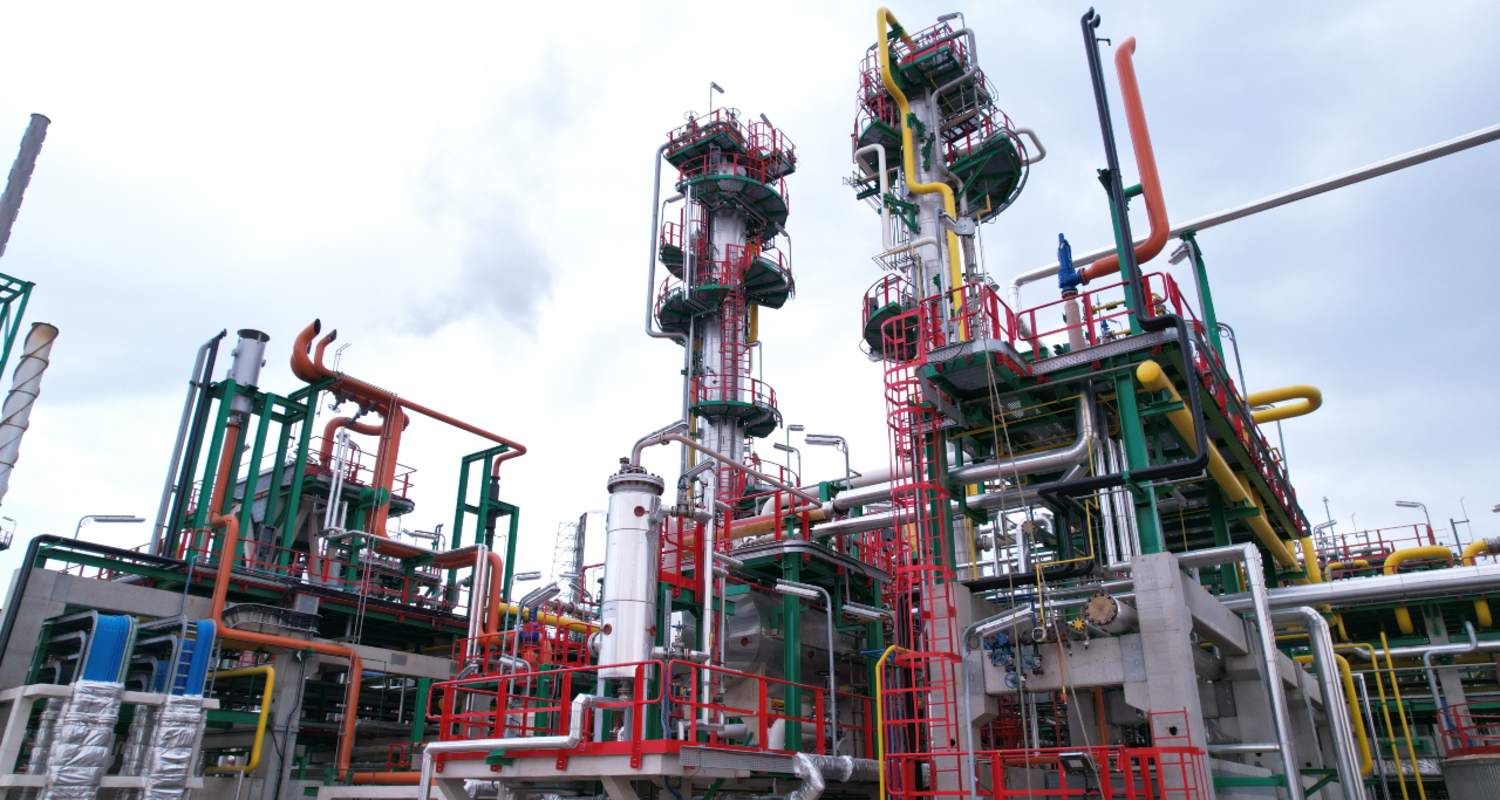
At Repsol, we have been transforming our industrial complexes into multi-energy hubs for years, integrating the circular economy, renewable energy, energy efficiency and new technologies with a low carbon footprint. This transformation makes it possible to adapt existing facilities to produce renewable fuels on a large scale, while reinforcing industrial competitiveness and European energy autonomy.
From industrial transformation to reality
From industrial transformation to reality
This transformation is now a reality. Cartagena operates the first plant on the Iberian Peninsula capable of producing sustainable aviation fuel (SAF) and 100% renewable diesel from waste and other organic raw materials.
In Puertollano we have incorporated a new production capacity of 200,000 tonnes per year of 100% renewable fuels for both road and maritime transport.
In Tarragona we produce gasoline from 100% renewable sources. The result is now available at service stations in Madrid and Catalonia with Nexa 95 gasoline of 100% renewable origin, designed at the Repsol Technology Lab.
In addition, construction is underway in Bilbao, on a synthetic fuel demonstration plant that will use CO2 and renewable hydrogen to produce liquid fuels with a low carbon footprint following a circular model.
At the same time, we have expanded its availability to the consumer. Currently, more than 1,600 service stations in Spain and Portugal supply 100% renewable Nexa Diesel, a number that will continue to grow to offer decarbonization alternatives for an increasing number of vehicles.
A coherent regulatory framework that encourages industrial investment and decarbonization in Europe
A coherent regulatory framework that encourages industrial investment and decarbonization in Europe
However, for this transformation to reach its full potential, it is imperative that the regulatory framework evolves.
European regulation still presents significant inconsistencies. While regulations such as ReFuelEU Aviation and FuelEU Maritime promote the use of renewable fuels to reduce emissions from air and maritime transport, European CO2 standards for light and heavy vehicles do not fully recognize their contribution to decarbonization.
This lack of coherence has direct consequences for investment.
Renewable fuels are produced integrally within industrial complexes. In the same process, fuels are obtained for aviation, maritime transport, and road transport. If one of these markets lacks a regulatory framework that encourages their use, industrial projects lose competitiveness and investments can relocate to other regions with more favorable regulatory frameworks. Europe not only slows down its decarbonization process, but also risks weakening its industry and increasing its energy dependence.
Energy autonomy and competitiveness must move forward together
Energy autonomy and competitiveness must move forward together
European strategic autonomy does not involve choosing between competitiveness and decarbonization, or between new technologies and existing capabilities. It involves taking advantage of all available resources to build a more resilient, diversified and competitive energy system.
Europe has a strategic advantage in terms of its industrial base, infrastructure and technological know-how. Transforming these assets to produce energy and low-carbon feedstocks will accelerate the energy transition, strengthen security of supply and generate industrial growth.
Achieving this will require a coherent regulatory framework that recognizes the contribution of all emission-reducing solutions and provides clear signals to mobilize investment. Only in this way can the energy transition also become an opportunity to strengthen European strategic autonomy and consolidate the Union's industrial leadership.