

logo Repsol
Contact

Environment

Air, water, and soil quality​

Air, water, and soil are three fundamental aspects of both people's well-being and health, as well as nature conservation.

trabajador-casco-tarragona-espalda.jpg

With this vision, we work to prevent and control the impacts associated with the emissions of pollutants associated with our operations and reduce the potential environmental impact arising from the use of the products we manufacture, preventing incidents and emergency situations, as indicated in our environment policy

Main substances in emission prevention and control​

In the prevention and control of emissions of our activities, we focus on the following substances:

To air

Sulphur oxides (SO2), nitrogen oxides (NOX), volatile organic compounds (VOCs), and particulate matter.

To water

Hydrocarbons, suspended solids, and substances that cause an increase in the chemical oxygen demand.

To soil

Although our activities do not routinely generate emissions of pollutants to the soil, in the event of an accidental release, prevention is prioritized by controlling all substances that may cause damage to health and the environment, of which there are signs of their presence, including hydrocarbons.

Incident prevention

We apply safe design and operation practices to reduce risks, prevent incidents, and respond to emergencies, complying with international standards and current regulations.

Person holding air measuring device
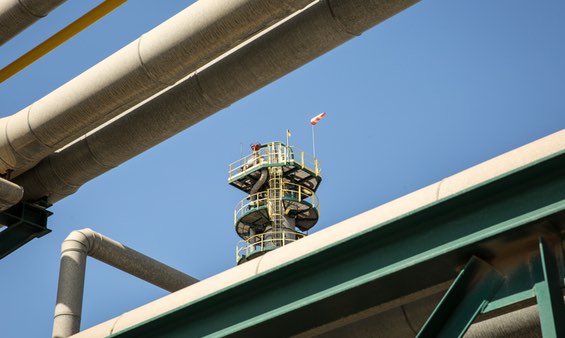
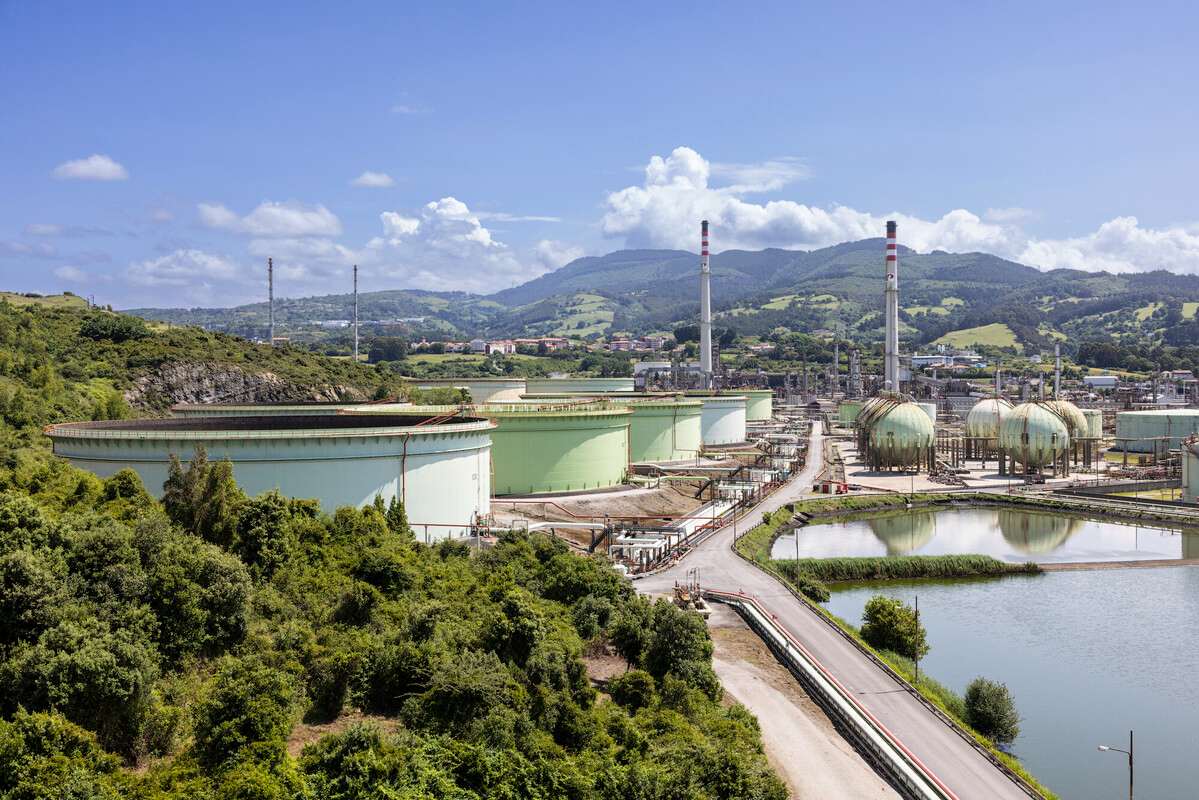
View of the Petronor complex
Orange pipe of the Sagari project

Our objectives

We work to prevent and control emissions, complying with the requirements of current regulations, and setting objectives to advance in the commitments of our environment policy:

Air

Adopt the Best Available Techniques (BAT) referenced by the sectoral BREF documents of the European Union.

Water

Work on the prevention and control of water emissions through the treatment of our effluents.

Soil

Define action plans in less than 12 months for the management and remediation of soils or groundwater in the event of contamination.

Environment KPIs

Learn about our main environment KPIs.

Monitoring

We measure and monitor emissions to air, water, and soil in our activities.

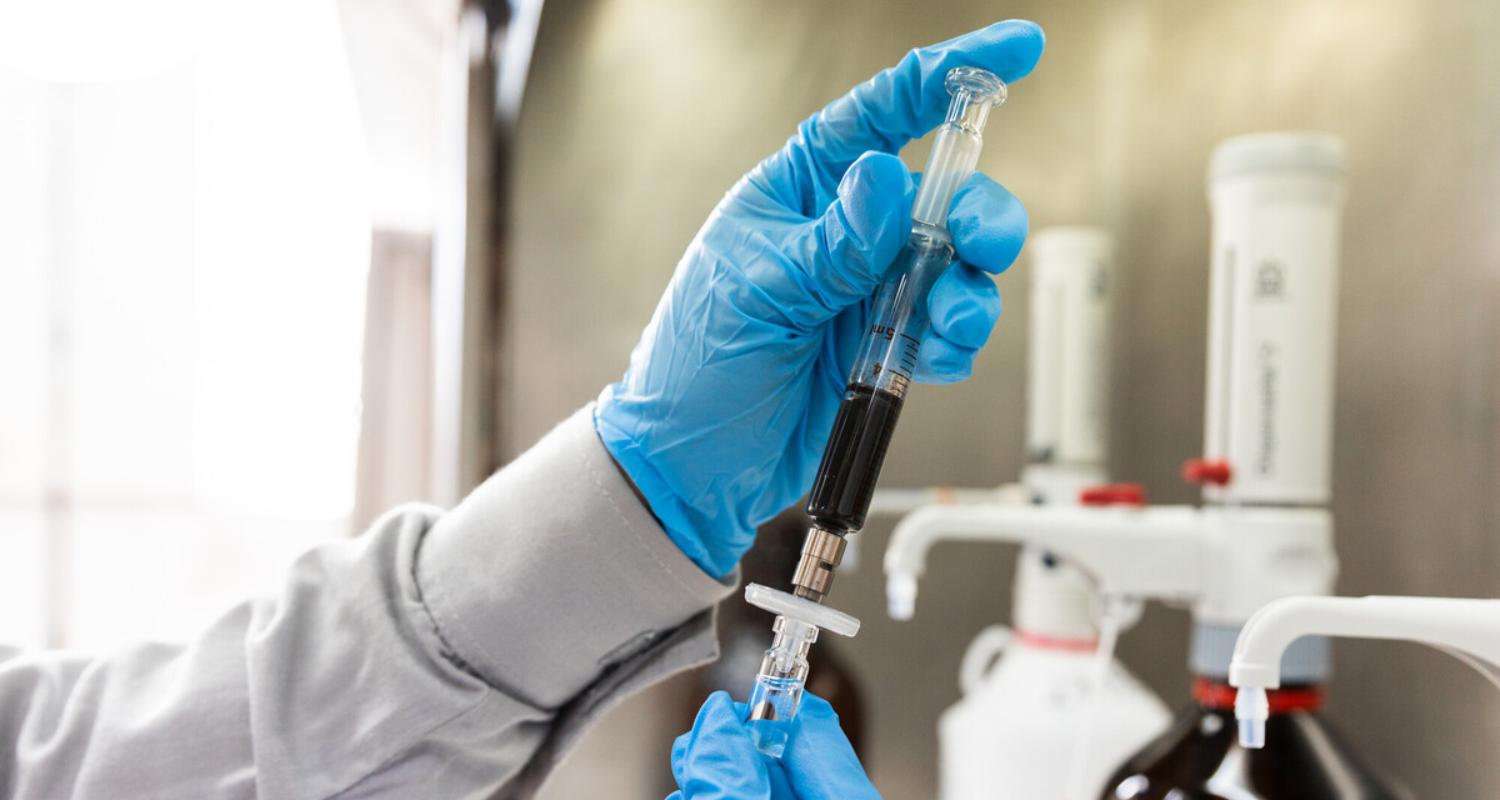
Hands with blue gloves handling a syringe with liquid inside

We measure and publish emissions data at our main operational centers, using networks of control stations and specific calculations for other activities. 

This information makes it possible to verify compliance with the established legal limits and detect possible deviations.

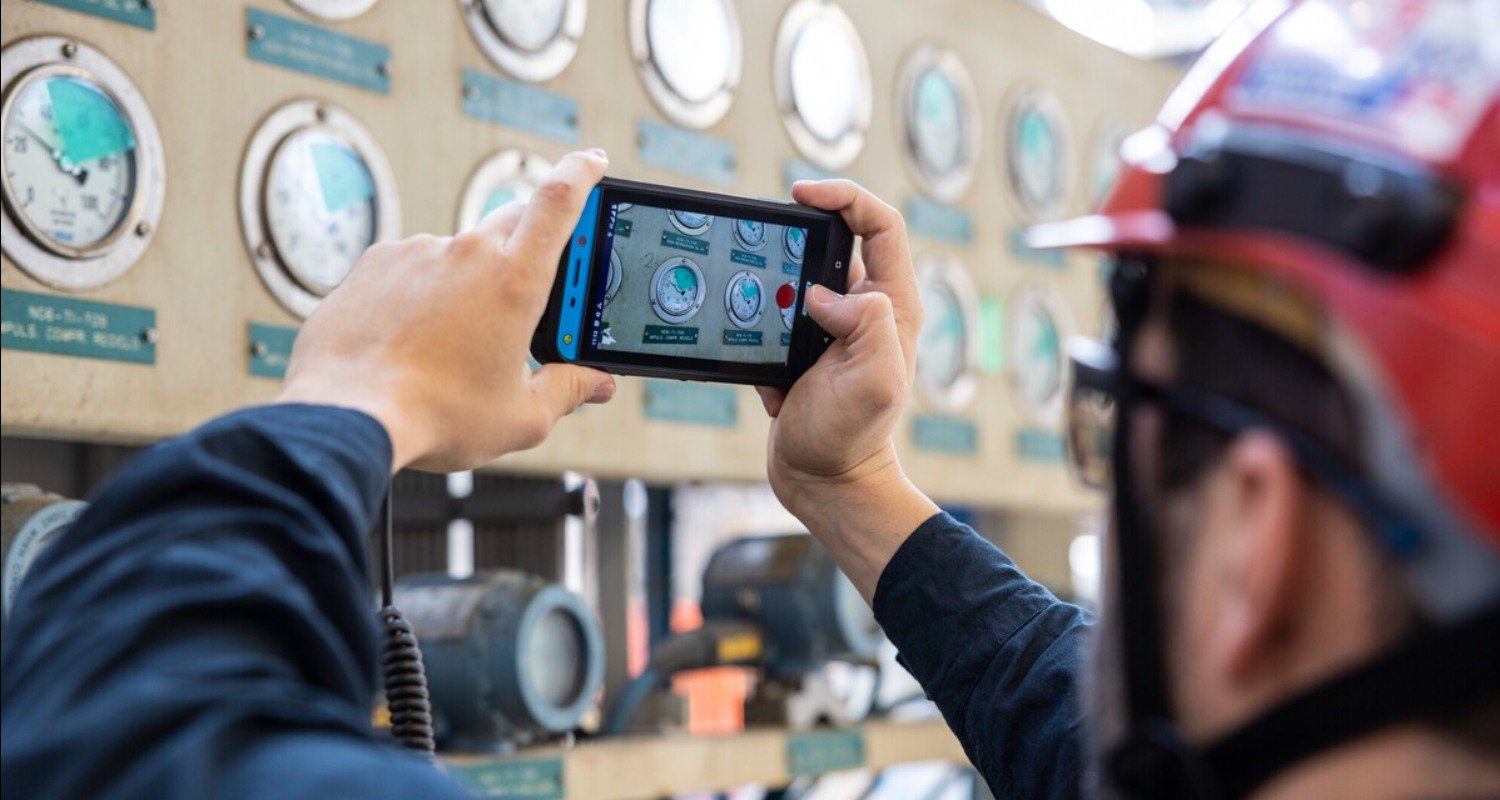
Worker with cellphone monitoring valves
  • We conduct periodic checks at locations with higher environmental risk.
  • We activate specific protocols in case of incidents, as part of a preventive and corrective management.
Observatorio de calidad del aire de Tarragona

Born in 2018 as a response to the social and institutional concern about the presence of Volatile Organic Compounds (VOCs) in the Camp de Tarragona.

With this initiative we seek, together with the Institut Cerdà, to go a step further by promoting:

  • Dissemination of results.
  • Citizen knowledge about VOCs.
  • The regulatory context for air quality.

The Observatory has established itself as a permanent tool to promote debate and transparency around this issue.

Development of energy solutions

Products that contribute to minimizing polluting emissions.

We develop energy products and solutions for your mobility and your home that minimize polluting emissions during their life cycle.

This mixture of liquefied petroleum gas (LPG), propane, and butane that we offer is our alternative to traditional fuels in transport that:

  • Contributes to improving air quality due to its low emissions of particulate matter and nitrogen oxides (NOx).
  • Helps minimize the greenhouse effect (GHGs).
  • Reduces noise pollution due to its combustion behavior.​

Its formulation for maximum combustion efficiency in what is known as blue flame technology generates fewer pollutant emissions than a conventional diesel to produce the same amount of energy. ​

Also, compared to fuels such as conventional diesel or biomass, it reduces sulfur oxide (SOx) emissions, which are practically zero for BiEnergy e+10. 

Discover the advantages in its technical data sheet (in Spanish) | PDF | 932 KB>

Since 2014, Euro 6 regulations have required that all new diesel vehicles unable to meet NOx emission limits on their own must incorporate an SCR (Selective Catalytic Reduction) system, which converts this gas into water and nitrogen, both non-harmful, significantly reducing air pollution.

Repsol Blue+ is an optimized version of this catalyst.

More information about Blue+ (in Spanish) >


Renewable electricity generation and the production of renewable fuels is our commitment to progressively reduce the carbon intensity of our operations and products.

  • Electricity comes from sources such as hydro, solar, or wind, helping to continue promoting a low-carbon future. ​
  • Renewable fuels reduce CO2 emissions (compared to fossil fuels) and help improve air quality (due to their lower content of sulfur and volatile organic compounds).

Substances of concern

Safety of our products.

We minimize the risks to people and the environment of our products, from the design stage until they reach the market.

Therefore, our specific area of Product Safety is dedicated to monitoring substances of concern and very high concern*, controlling our activities and products, avoiding any level of exposure that may be harmful and ensuring compliance with the required regulations.

*These substances stand out for their potential danger to health and the environment or for the effect of inhibiting the possibility of a product being recycled at the end of its useful life.​

Measures to prevent pellet loss

We join forces to deal with the loss of pellets.

Hand holding white balls

All our industrial centers where pellets are produced have adopted the international scheme​ Operation Clean Sweep (OCS), and achieved the OCS Europe Certification, for the implementation of its guidelines.

As participants in the program since 2015, we have developed specific actions to meet the goal of zero pellet loss based on six pillars:

  1. Improve worksite set-up to prevent and address spills.
  2. Create internal procedures.
  3. Provide employee training and accountability.
  4. Auditing.
  5. Legal compliance.
  6. Carry out awareness-raising work with our partners.

Reduction of VOC emissions

We implement emissions reduction measures at our Tarragona industrial complex.

We adapt our facilities as the BREF documents of the European Union (which collect the emission levels associated with the Best Available Techniques, known as BAT-AELs) are updated, ensuring compliance with European regulations on industrial emissions.

At our Tarragona industrial complex, we have installed a regenerative thermal oxidation system to reduce volatile organic compound (VOC) emissions in propylene oxide and styrene monomer plants, as well as in the polyol plant.

Comprehensive prevention plan

We act in the early detection of possible pollutant discharges at our service stations.

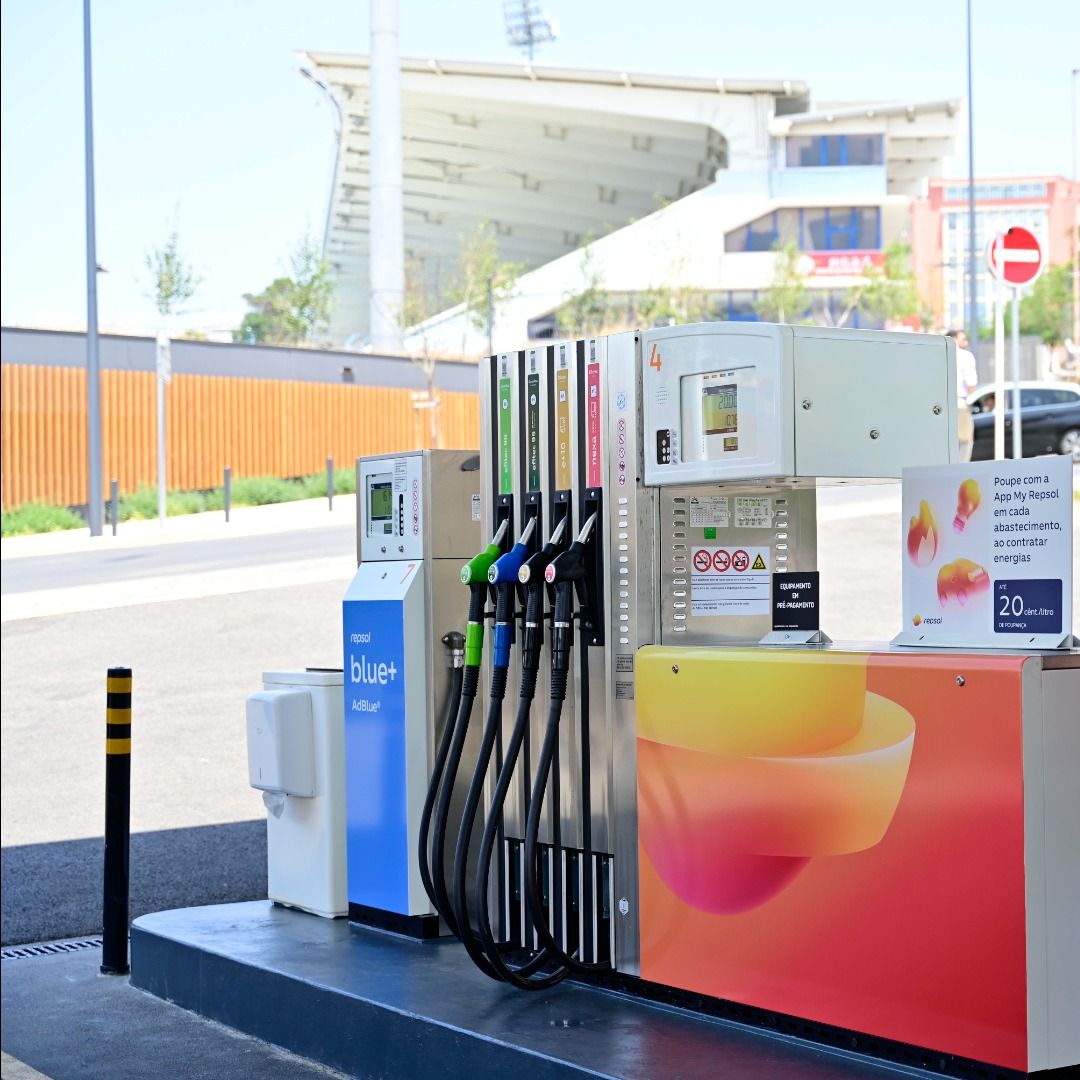
View of a service station with the new brand

We have implemented a voluntary program with the aim of preventing and minimizing soil and groundwater contamination at our service stations. This system, based on the statistical control of fuel inventories, allows:

  • Early detection of possible leaks.
  • Imminent action in the event of any indication of leak.
  • Control of associated environmental impacts.​

Every year, we add new stations from our own network to the program and since 2024 its scope has progressively extended to our stations operated by third parties, of which we own the land.

Discharge control​

We work on the treatment of our effluents in order to maximize their internal reuse and minimize the impact on the discharge.

We implement a comprehensive discharge management through advanced practices that include the segregation of effluents at the source of water according to their level of contamination, which allows us to apply specific and effective treatments. ​

​The type and intensity of the treatment depend on the volume and characteristics of the effluent generated in each industrial facility, with the aim of minimizing the pollutant load discharged to the receiving environment and complying with the limits established in the environmental authorizations.

Learn more about water management >

More about sustainability

Updated as of December 2025.