


What is the digital divide and how can we address it?
What is the digital divide and how can we address it?
A gap that must be bridged
Reading time: 7 min
What is the digital divide?
What is the digital divide?
The digital divide refers to the existing divide between people who have access to the Internet and Information and Communication Technologies (ICT), and those who do not, or who have limited access.
There are many advantages to the Internet and other technologies associated with the so-called Fourth Industrial Revolution: They allow us to enjoy series on our tablet or computer, learn a new skill in an online course, or complete banking transactions with just a few clicks of the mouse. However, not the entire population has access to the Internet or the same digital know-how, which creates major technology gaps. This translates into inequalities among the population even within the same country.
Although the number of people connected to the Internet keeps on growing, there are still almost three billion people around the world who can't access the digital environment, making this one of the main reasons causing the digital gap. Despite significant progress being made in this regard, especially as a result of the COVID-19 pandemic, the fact that part of the world's population lacks the necessary know-how and tools to use ICTs is an additional challenge for their economic and professional development, among other aspects.
Causes and types of digital divide
The digital divide is due to a combination of several factors. These include the cost of devices and services for connecting to the Internet, impeding access for low-income earners; insufficient knowledge and skills to use the necessary devices and technologies easily; and the difficulty in implementing infrastructures that facilitate the adoption of ICTs in certain areas.
Let's distinguish between what types of digital divides exist and who they affect.

This is the first example of a digital divide. This refers to the lack of sufficient digital skills to use ICTs on a personal or professional level. For example, people who have more difficulty using the Internet face an additional obstacle when performing everyday tasks (such as making an online doctor's appointment or accessing electronic banking, among others).
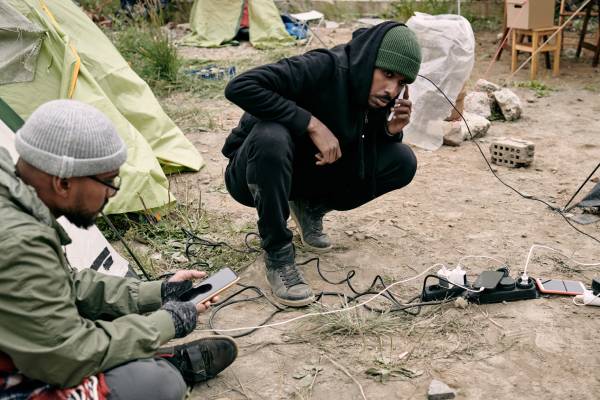
This is one of the main causes of the digital divide. This is related to certain population groups being unable to access ICTs. This is usually due to socioeconomic inequalities among individuals and different regions, as public funding is not available everywhere to implement infrastructures that facilitate Internet access, and not everybody has sufficient resources to afford the devices and services that would enable them to connect.
According to Eurostat data, almost half of the population between 65 and 74 years of age has low digital skills, which has been further highlighted by the COVID-19 pandemic. Furthermore, this gap tends to widen among people with lower purchasing power or those who live in rural areas.

This leads to women having reduced access to ICT, which in turn results in fewer girls choosing STEM careers. Although in Spain Internet connection is equal between the sexes, worldwide, 62% of men use the Internet compared to 57% of women. In certain countries (such as Africa or the Arab States), the gender gap is more pronounced.
Consequences of the digital divide
Consequences of the digital divide
Difficulty in accessing ICTs increases inequality among different groups, as it prevents part of the population from accessing the possibilities they offer. For example, during the lockdown, where many schoolchildren were forced to continue their classes online, the lack of a stable connection and the appropriate devices meant some students were unable to keep up their schooling as normal. The same happened with working from home: adults who lacked the right tools and know-how were limited in their ability to work as normal. Therefore, let's take a look at the different causes of the digital divide are:
- Isolation: Social isolation is one of the characteristics of the digital divide, especially as a result of the pandemic, has increased among people who do not have access to the Internet. Additionally, people living in rural areas without reception are virtually cut off from communication services.
- Difficulty in accessing education: The lack of access to ICTs makes it difficult for both children and adults to access education. According to a report by the International Telecommunication Union (ITU), published together with UNICEF, 63% of young people between 15 and 24 years of age do not have an internet connection at home.
- A barrier to accessing work: People face greater difficulties in finding a job, not only because digital know-how is increasingly necessary but also because they are unable to check online job websites where these offers are published.
- Social differences: The obstacles to connecting to the digital world make the differences between groups more evident.
- Geographical differences: These are also intensified between regions and countries, which directly affects their possibilities for growth.
- Dependence and vulnerability: Technological discrimination means that some people have less independence in performing certain tasks, which in turn makes them more vulnerable (e.g., digital crime).
Strategies to bridge the digital divide around the world
To bridge the digital divide, it is necessary to act on all fronts and apply measures from different sectors. For example, the OECD, following the COVID-19 crisis, has issued a series of recommendations for G20 countries to help bridge the digital divide when it comes to other less developed countries. Other international organizations, such as the UN and UNESCO, are also working along these lines, either as a Sustainable Development Goal (SDG) or through initiatives to get the population more involved in the digital world.
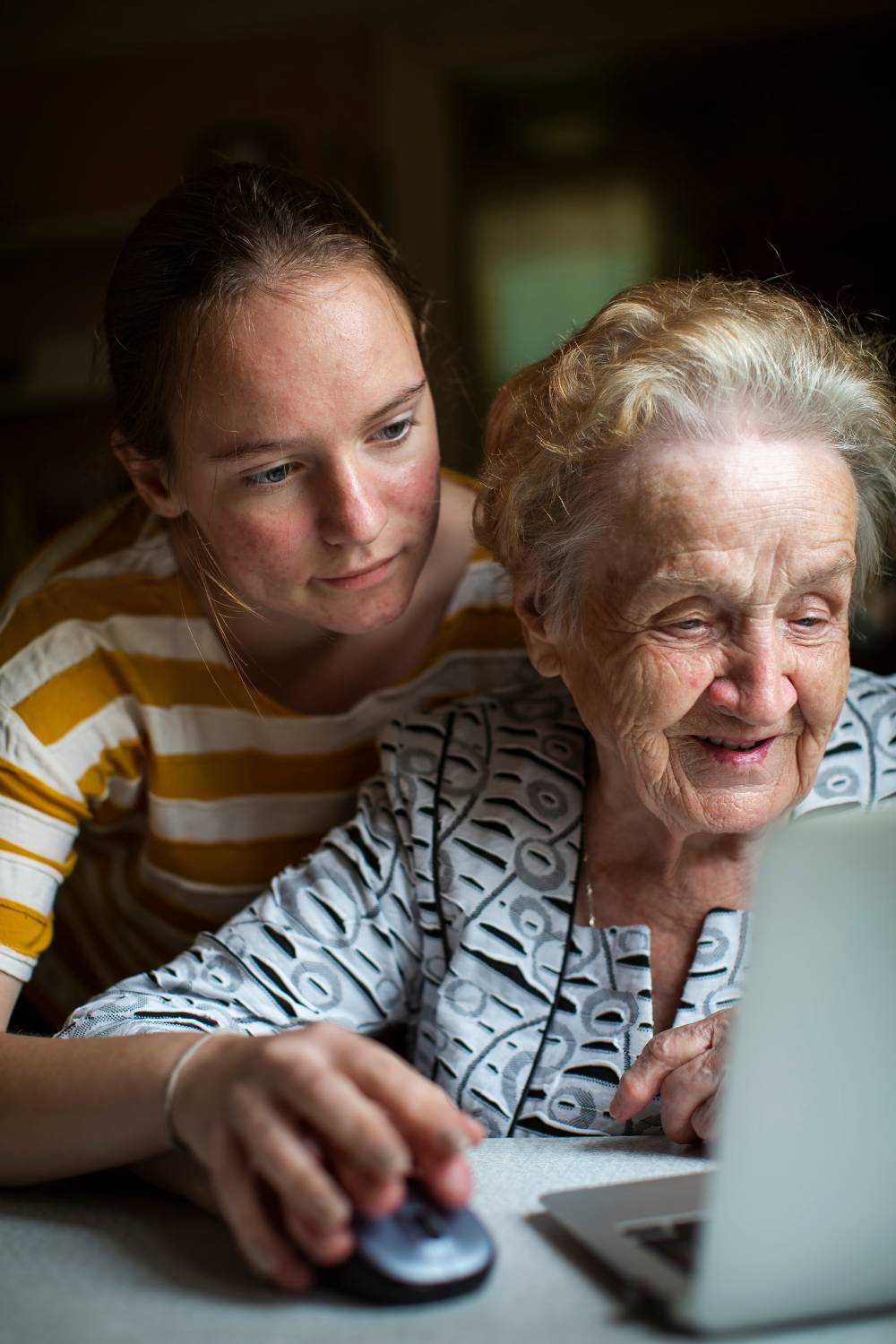
National and regional governments have also implemented numerous digital literacy projects. The Spanish government has launched the National Digital Skills Plan, aimed at developing "the digital skills and abilities of both workers and citizens as a whole." Along these lines, the Andalusian Government has Guadalinfo centers, which offer ICT services and advice on digital literacy, in addition to specific initiatives.
The private sector has presented important projects aimed at facilitating access to technology. In this respect, it is worth mentioning the Employment and Technology Campus, where thirteen companies and organizations have collaborated with the Adecco Foundation in training twelve unemployed single mothers in how to use new technologies. In addition, the Campus has included online activities for the mothers’ children, including robotics courses and orientation workshops on the professional possibilities offered by ICTs. In the case of Repsol, its Foundation has provided the necessary equipment so that both the mothers and their children can follow this training online.

Do you have a STEM profile?
Do you have a STEM profile?
We're seeking talent to help sustainably create value
We're proud that 81% of our employees recommend us.