
All about solar farms
All about solar farms
Cultivating a sustainable future
What is a solar farm?
What is a solar farm?
Known as a solar park or solar farm, it is land dedicated to the installation of solar panels or photovoltaic systems with the purpose of capturing solar radiation and transforming it into renewable electrical energy.
These photovoltaic systems are made up of multiple solar panels arranged in an open space, often in a large area known as a solar farm. The main goal of these solar farms is to make the most of the available sunlight to generate electricity in a sustainable way.
Solar energy has transformed the way we access electricity in our homes and communities. In this context, solar farms are an essential part of the energy transition, by providing a renewable energy source that contributes to reducing polluting gas emissions and moving towards a more environmentally-friendly energy system.
How does a solar farm work?
How does a solar farm work?
Solar farms work by capturing solar energy through photovoltaic panels, which contain solar cells that convert sunlight into electricity.
When sunlight hits the panels, the solar cells generate direct electrical current. An inverter then converts this direct current (DC) into alternating current (AC), which is the form of electricity used in most homes and businesses.
In short, a solar farm is a renewable energy source that does not emit carbon dioxide (CO2) thanks to its environmentally-friendly production process. Converting solar energy into electricity is a clean process, without Greenhouse Gas (GHG) emissions.
Benefits of solar farms
Benefits of solar farms
Some of the reasons why solar farms are an attractive and sustainable option for electricity generation are:
- Land use
Solar farms can be installed in areas that are not considered suitable for farming, maximizing the utility of non-productive land. - Coexistence with farming
Agrivoltaics allows solar farms to coexist with farming, offering farmers benefits by providing shade for crops and reducing water loss through evaporation. - Inexhaustible energy source
Solar energy comes from the sun, an inexhaustible energy source, ensuring a constant and sustainable electricity supply. - Clean and renewable energy
Generating electricity from solar energy is clean and renewable, which helps preserve the environment. - Zero emissions
Solar farms do not emit Greenhouse Gases or air pollutants, which contributes to reducing the carbon footprint and mitigating the adverse effects of climate change.
- Local energy production
They encourage local energy production, which reduces transmission and distribution losses, increasing energy efficiency.
Solar Communities represent an evolution in the way we access and use solar energy in urban environments and in our homes. Currently, solar energy can be harnessed by installing solar panels on residential roofs, offering an alternative to solar farms.
These communities generate local and sustainable electricity in urban centers, with solar panels installed on the roofs in the area. The highlight of this solution is that it allows homes within a radius of 2,000 meters to connect and enjoy 100%-renewable electricity, without the need to install anything in their own homes or make any additional investments.
Join this initiative and be a part of your community's solar revolution.
You may be interested in
You may be interested in
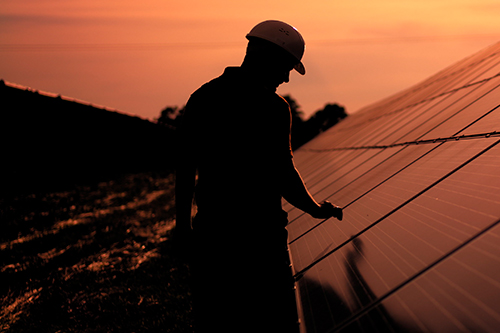
Solar panel maintenance
We tell you how to keep your solar panels in good condition for optimal performance. Find out which steps to follow.
Energy crops
Generating energy through agriculture is possible. From Repsol, we show you how.
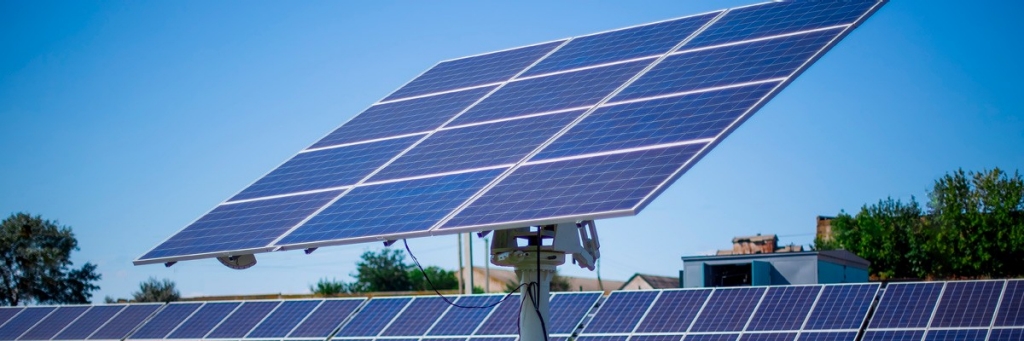
Solar trackers
What they are, their advantages, and how they work. Do you want to know everything about solar trackers?
Updated as of July 2025.