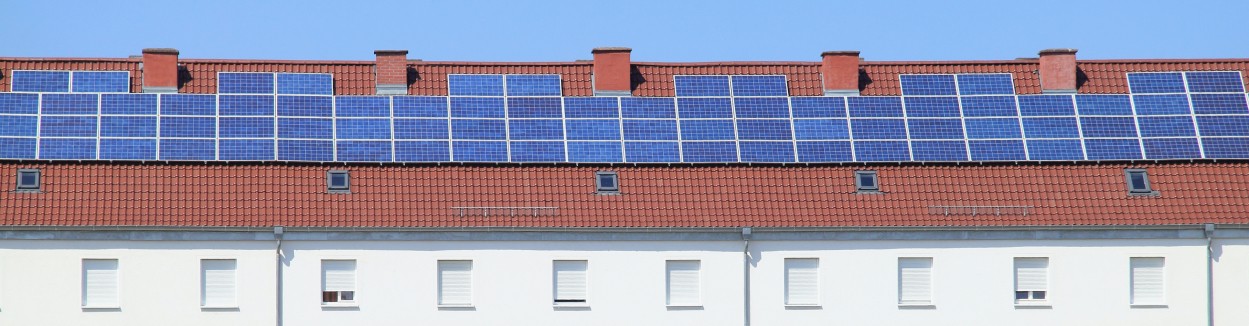
Aerothermal energy with solar panels
Aerothermal energy with solar panels
New efficient solutions
New efficient solutions
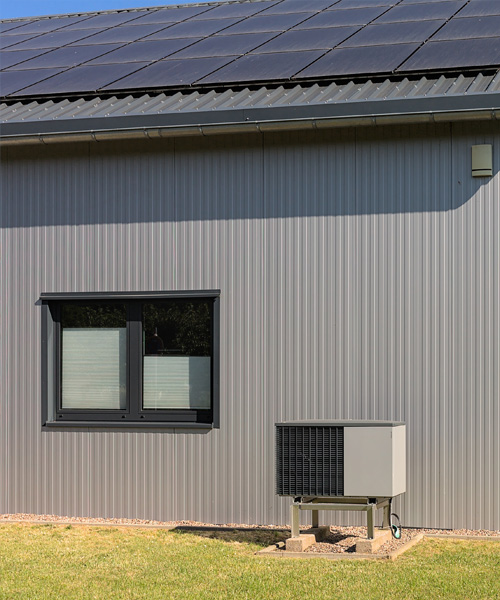
The installation of aerothermal energy with solar panels represents an efficient and sustainable solution for the home, which complements the use of solar energy and reduces dependence on the conventional electrical grid. In addition to promoting self-consumption, this combination offers a number of significant benefits.
What is aerothermal energy with solar panels?
What is aerothermal energy with solar panels?
Aerothermal energy with solar panels is a sustainable option that integrates two technologies: solar panels and aerothermal energy. This combination offers an efficient solution for heating and hot water supply.
Aerothermal energy
Aerothermal energy is a heating and cooling system that draws energy from the outside air to regulate a building's temperature. It uses an aerothermal heat pump that captures heat from the air in winter to heat the interior and, in summer, removes excess heat from the interior to the exterior. The building's thermal insulation ensures that the temperature remains stable.
Solar panels
Solar panels, or photovoltaic solar panels, convert sunlight into electricity thanks to their photovoltaic cells. These cells generate electric current when exposed to solar radiation.
The combination of aerothermal energy and solar panels represents a highly efficient and sustainable solution that reduces the system's carbon footprint, as the electricity comes from a renewable energy source. The electricity produced by the solar panels can be used to power, in addition to the aerothermal system, the building's appliances and lighting systems.
How does aerothermal energy with solar panels work?
How does aerothermal energy with solar panels work?
An installation of solar panels and aerothermal energy for heating/cooling and hot water production works as follows:
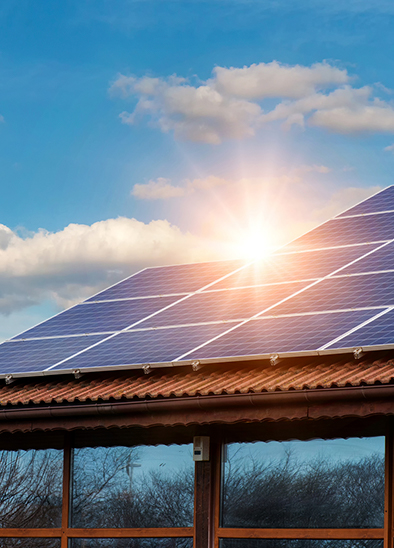
Photovoltaic solar panels are strategically placed in areas exposed to sunlight, converting solar energy into electricity using photovoltaic cells. This electricity generated in the form of direct current (DC) is transformed by an inverter into alternating current (AC), which is the form used in most electrical devices and heating/cooling systems.
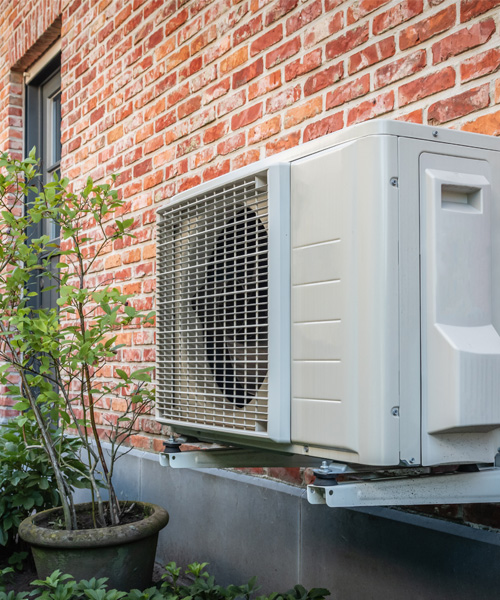
The aerothermal system is based on an aerothermal heat pump installed inside the building. This unit extracts heat from the outside air, even in low temperature conditions, converting it into useful heat for heating or hot water production. In addition, in warm months, the heat pump can reverse its function and remove excess heat from the interior, releasing it to the outside air to cool the building.
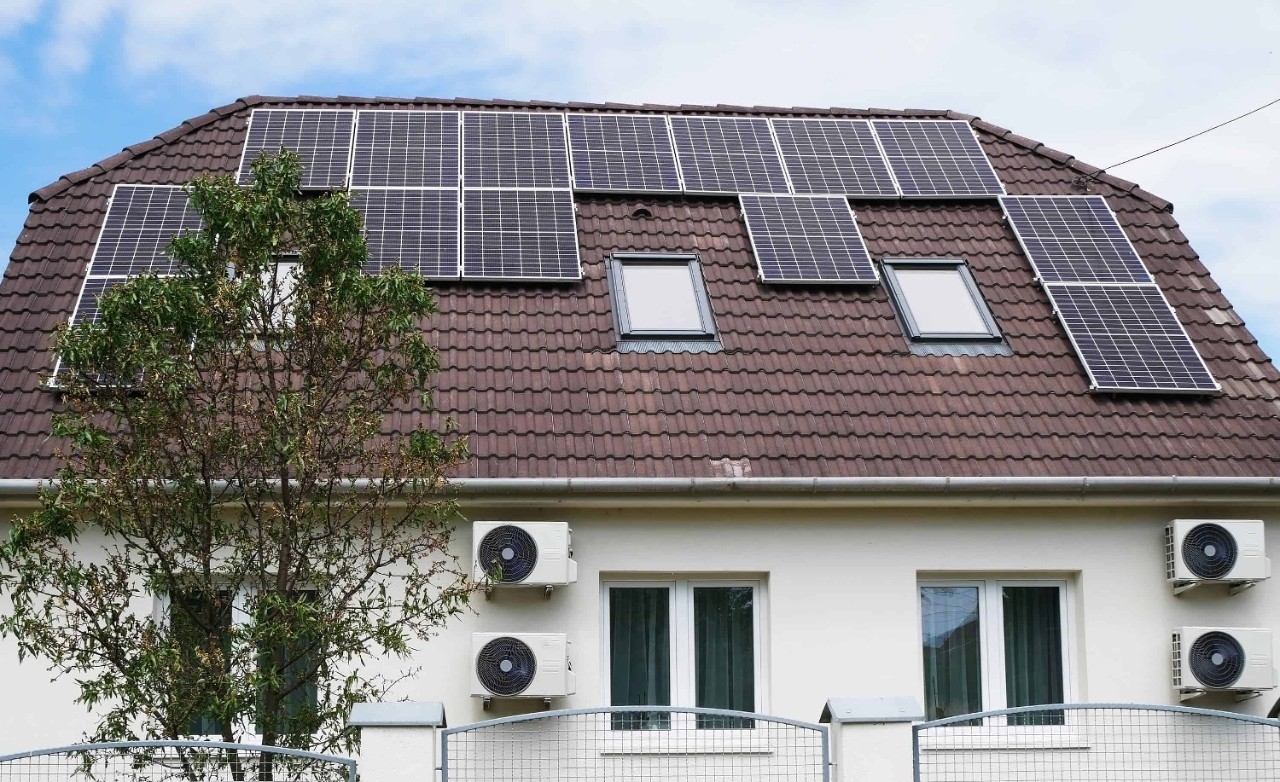
The synergy between the two technologies is that the electricity generated by the solar panels powers the aerothermal heat pump and other electrical devices in the building. When heating or hot water is needed, the heat pump uses solar electricity to operate efficiently, extracting heat from the outside air and transferring it to the solar heating system or water heater. Also, during the warmer months, solar electricity helps to cool the building with the heat pump in its cooling mode.
Photovoltaic aerothermal applications
Photovoltaic aerothermal applications
The combination of aerothermal energy and photovoltaic panels offers a wide variety of applications that underscore their practicality in everyday life.
- Residential heating and cooling
The combination of solar panels and aerothermal energy is efficiently used to heat/cool homes in a sustainable way. The aerothermal heat pump captures heat from the outside air in winter for heating and removes excess heat in summer for cooling. The required electricity is generated by solar panels, reducing energy costs and carbon emissions. - Domestic hot water
The systems that combine aerothermal energy and photovoltaic panels are also used to produce domestic hot water in homes and buildings. The aerothermal heat pump heats water using solar energy generated by solar panels, reducing the need for conventional heaters and reducing energy costs. - Heating/cooling in commercial buildings
Commercial buildings, such as offices, hotels, restaurants, and shopping malls, can benefit from aerothermal systems and photovoltaic panels to efficiently heat/cool their spaces. These solutions can reduce operating costs and carbon footprint. - Swimming pool heating
Photovoltaic aerothermal energy is a popular choice for heating both residential and public swimming pools. The aerothermal heat pump uses the electricity generated by the solar panels to heat the pool water, allowing it to be kept at a comfortable temperature. - Industry
The combination of solar panels and aerothermal energy is also applied in industry to meet the heating and cooling needs of processes or facilities. This helps to reduce energy costs and meet sustainability goals. - Farms and agricultural operations
Farms and agricultural operations can use photovoltaic aerothermal energy for heating/cooling spaces, greenhouses, and animal heating systems, increasing energy efficiency and reducing operating costs.
Advantages of aerothermal energy and solar panels
Advantages of aerothermal energy and solar panels
The integration of aerothermal technology and photovoltaic panels provides a number of significant benefits, including:

1. Sustainability
Renewable energy sources, such as wind and solar energy, are used for heating, cooling, and hot water production, contributing to carbon emissions reduction and environmental sustainability.
2. Energy savings
The combination of both technologies allows for a more efficient use of energy, making the most of both the heat from the air and the electricity generated by the solar panels.
3. Reduction of energy costs
The use of renewable energy sources translates into lower energy bills for users.
4. Autonomous energy
Systems that combine aerothermal energy and photovoltaic panels can operate autonomously, which makes them suitable for remote areas or places where the electrical grid does not easily reach.
5. Greater sustainability in heating/cooling
Photovoltaic aerothermal systems generally offer higher efficiency compared to conventional heating and cooling systems, minimizing energy loss.
8. Added value to the property
The installation of photovoltaic aerothermal systems can increase the value of a property and make it more attractive in the real estate market.
9. Reliability
Photovoltaic aerothermal systems are known for their reliability and long service life, which reduces long-term maintenance costs.
At Repsol we aim to be a net zero emissions company by 2050. As part of our ambitious roadmap to achieve this goal, we provide our customers with renewable energy solutions. If you want to be part of our sustainable initiative and reduce your carbon footprint, check out our solar energy plans.
You may be interested in
You may be interested in

Types of solar panels
There are three main types of solar panels: photovoltaic solar panels, thermal solar panels, and hybrid solar panels.

Bioclimatic architecture
Bioclimatic construction refers to the design of buildings that make the most of natural resources and the environment's climatic conditions.

Phantom power consumption
Phantom power consumption refers to the electricity consumed by certain electrical appliances and devices when we are not using them.