Reading time: 6 min
Agrivoltaics
Agrivoltaics
Contributing to achieving a sustainable primary sector
Contributing to achieving a sustainable primary sector
Thanks to the combined use of land for energy generation and agricultural or livestock production, agrivoltaics or agrivoltaic energy is becoming an essential tool for advancing toward "smart farming" and for offsetting the consequences of climate change.
Is it possible to implement a highly efficient production model in the agricultural sector without harming the environment? Without a doubt, this is one of the major challenges facing businesses in the sector today. To achieve this, investment in R&D&I focuses on the development of new green and efficient technologies as well as in innovative ways of applying them, such as agrivoltaics, an excellent example of sustainable economy based on the synergy between agriculture and photovoltaic solar energy.
What is agrivoltaics?
What is agrivoltaics?
Agrivoltaics represents an innovative way to minimize the effects associated with the primary sector as they increase the efficiency of crops and reduce their environmental impact, among many other benefits.
Water consumption, the emission of polluting gases, and the use of fertilizers and plant protection products (pesticides, herbicides, etc.) that are harmful to nature are some of the primary environmental risks associated with the farming sector.
The idea of combining different types of renewable energy with agriculture was first conceived in 1981 by the Germans Armin Zastrow and Adolf Goetzberger, the founder of the Fraunhofer Institute for Solar Energy Systems ISE. However, the concept of agrivoltaics didn't really become popular until the past decade thanks to performance studies carried out by the Frenchman Christophe Dupraz.
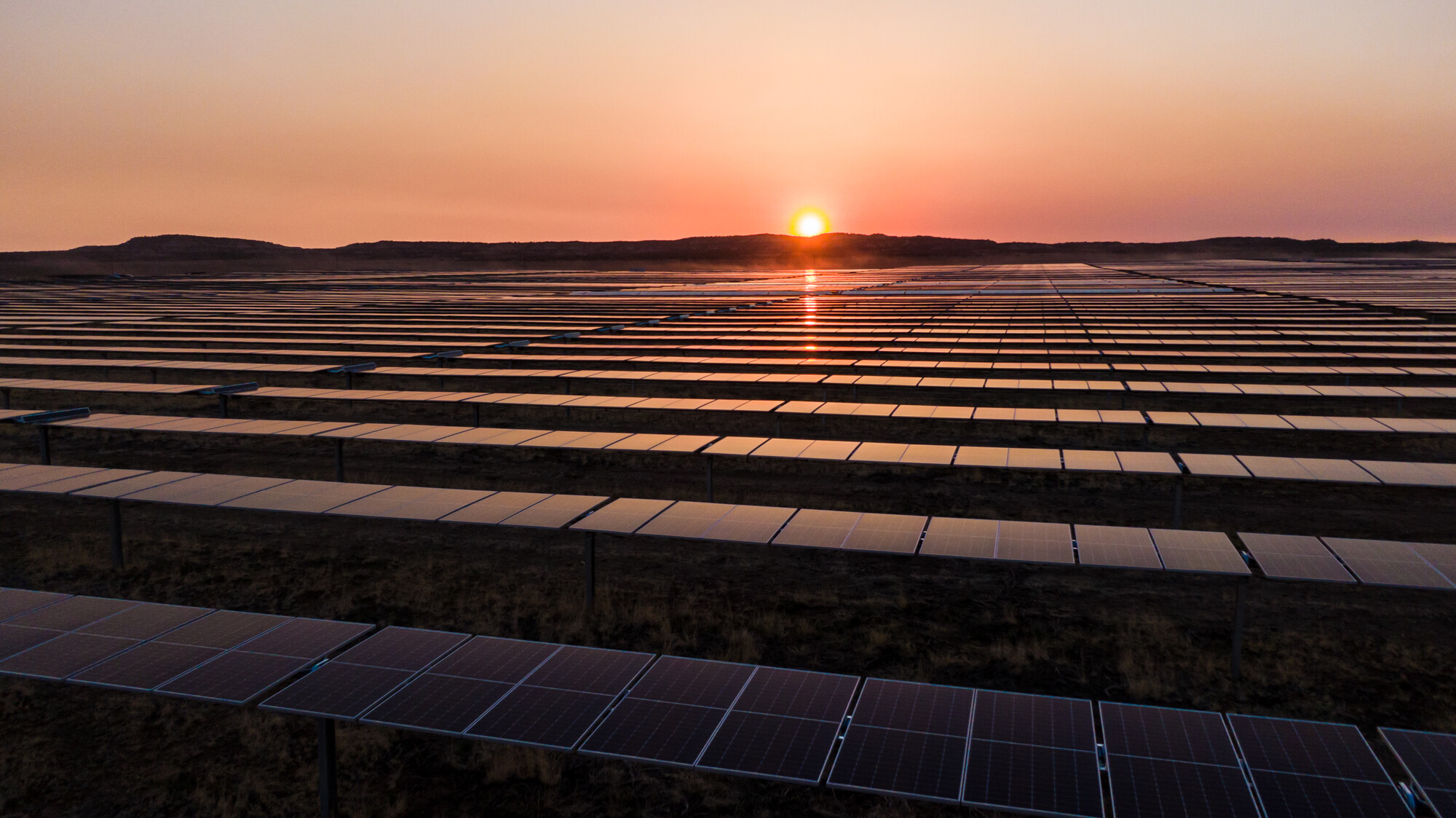
This model of sustainable agriculture, closely related to “smart farming,” consist of the installation of photovoltaic solar panels on land intended for crops or cattle. This gives the land a dual purpose: agricultural or livestock production and solar energy generation – a renewable, infinite, and eco-friendly electricity source.
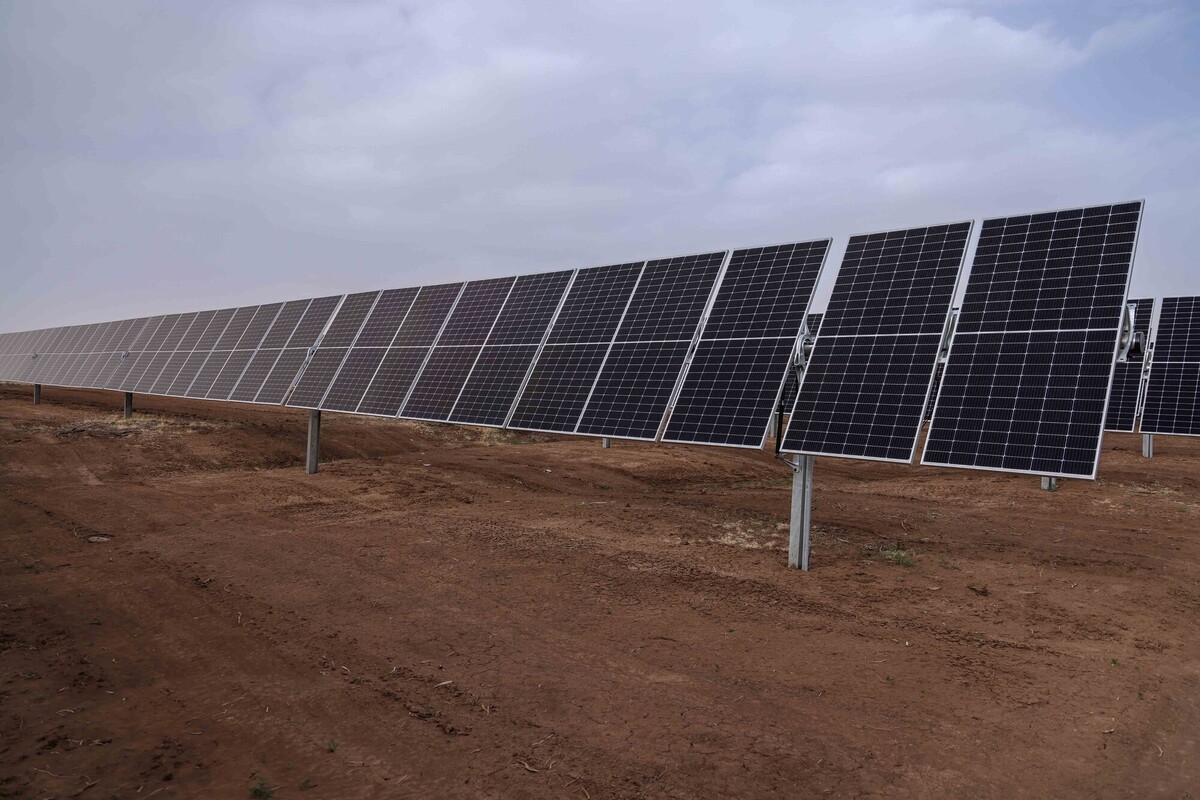
In agrivoltaic structures, panels are installed on structures or cables several meters above the ground to allow access for agricultural machinery. The system can also modify the orientation of the panels to maximize their efficiency based on a mathematical model that receives data from the sensors installed on the property. It also adjusts the areas of shade depending on the meteorological conditions and needs of the different crops, thus adapting to their phases of growth.
Advantages of agrivoltaics
Advantages of agrivoltaics
- Agrivoltaic installations optimize the use of land, granting it a dual purpose in farming and power generation.
- By using a renewable and eco-friendly energy source, it's possible to reduce the emission of polluting gases derived from the primary sector.
- Agrivoltaic energy can also minimize the environmental impact of human activity and protect biodiversity.
- The solar panels protect the crops located underneath them by reducing evaporation, maintaining humidity, and reducing the water footprint of farming.
- The combined use of land in agrivoltaics can increase efficiency by up to 186%, according to data from the Fraunhofer Institute. The latest studies also show that power generation using photovoltaic panels increases the value of these farms more than 30%.
- Agrivoltaics promotes distributed generation and self-consumption since electricity can be used to supply the energy required to operate these farms, which reduces energy dependence and associated costs.
- The shade from the solar panels, which can be controlled by active shading technology, is quite beneficial for crops that require cooler and more humid environments. Also, it's the perfect solution for protecting them from high temperatures and high solar irradiation in very warm areas.
Uses and applications for agrivoltaics
Uses and applications for agrivoltaics
Now that you know how it works and the benefits it offers, check out some examples of how agrivoltaics is applied today. The most common way of implementing this type of energy consists in the installation of solar panels above crops and using it in combination with the production of food products. This system is especially well adapted to dry farming (non-irrigated cultivation of crops).
Photovoltaic greenhouses are another good example of agrivoltaics today. In this case, the photovoltaic panels are installed on the exterior of the plastic roof of the greenhouse, serving as a kind of canopy that maintains optimal humidity and temperature conditions inside. Maintaining this interior microclimate is typically a high energy-consuming part of these facilities, and thanks to the electricity generated with the solar panels, the cost of this maintenance can be reduced.
Moreover, apart from cropland, agrivoltaic systems can also be used on non-cultivated land used for cattle farming.
Similarly, the electricity generated from agrivoltaic installations can also be used to extract water from wells, supply energy for lighting, or power equipment used in this type of farming.
Examples of agrivoltaic projects
Examples of agrivoltaic projects
Spain has the ideal environment for implementing agrivoltaics given its expansive farming land and climate, with nearly 2,500 hours of sunlight per year. These conditions make agrivoltaics the optimal solution for increasing the efficiency of many cultivated lands in our country. We can already find initiatives such as Repsol's, which partners with the technology company PowerfulTree at the San Gabriel Enology School vineyards, located in Aranda de Duero in the Burgos municipality.
In this agrivoltaics project, Repsol partners with the Basque engineering firm specialized in the creation of sustainable solutions for driving agrivoltaics in Spain. The installation in Aranda de Duero is the pilot project of this partnership and one which aims to demonstrate the effectiveness of this type of energy and its benefits for the primary sector. Construction on this agrivoltaic farm will be carried out by the company Solar360, in which Repsol joins its knowledge and experience in the energy sector with Movistar's technological innovation.
To get started with the active shading model, photovoltaic panels were installed on land dedicated to winegrowing, an important activity in the Spanish economy. These panels will protect the vineyards from excess irradiation and high temperatures, on top of producing 100% renewable and environmentally-friendly electricity.