someone pumping biodiesel into their car

Reading time: 4 min

Biodiesel is one of the most widely used biofuels in road transport in Europe and Spain. Usually present in blends with conventional diesel, biodiesel contributes to increasing the renewable content of transport fuels. At Repsol, we have extensive experience in incorporating renewable components into automotive fuels. In this article we explain what it is, how it is produced, what its advantages are, and how it differs from HVO.

What is biodiesel?

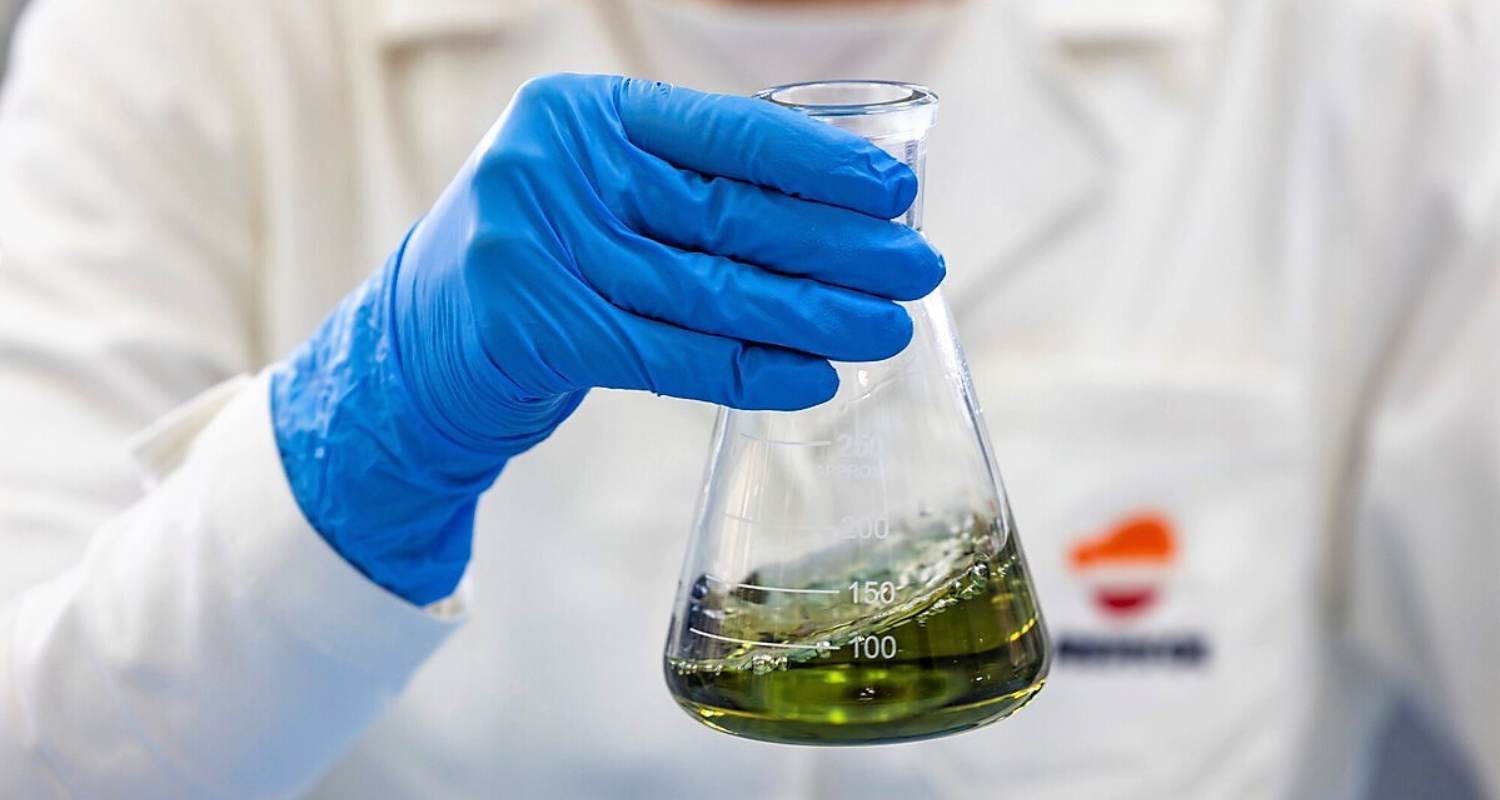
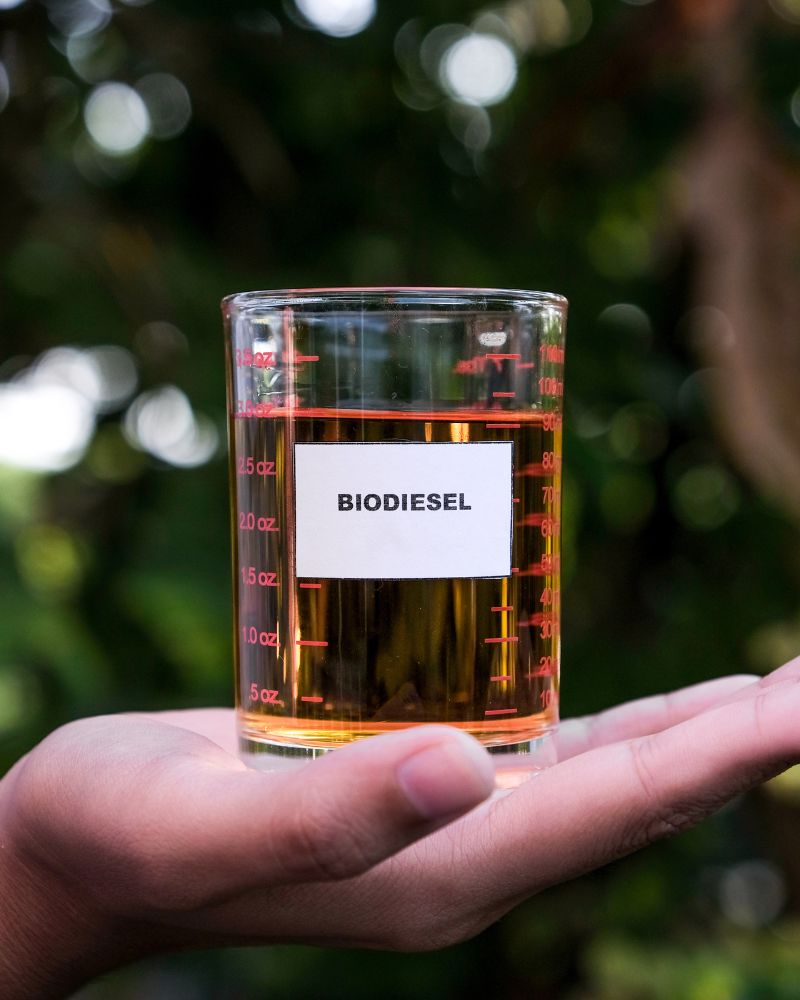
Biodiesel is a liquid biofuel of natural origin that is obtained from renewable sources such as vegetable oils or animal fats. Its production is carried out through a chemical process called transesterification. The use of biodiesel contributes to reducing greenhouse gas emissions, as it takes advantage of organic matter and is part of the renewable solutions that can be incorporated into transportation fuels.

Biodiesel can be blended with mineral diesel up to 7%. It can also be used for domestic heating in specific biodiesel boilers. It is obtained by a chemical process in which the oil reacts with an alcohol in the presence of a catalyst.

Depending on the amount of biodiesel in a fuel's composition, a nomenclature is used using the letter B and a number, indicating the proportion of biodiesel in the blend with diesel obtained from oil. So, at Service Stations, diesel of fossil origin is called B7, being able to contain up to 7% biodiesel.

Production: the transesterification process

Biodiesel is obtained by transesterification, a process in which the triglycerides present in oils and fats react with an alcohol - usually methanol - in the presence of an alkaline catalyst. The result is biodiesel (FAME) and glycerin as a byproduct. The most widely used feedstocks in Europe are rapeseed oil, certified palm oil, and increasingly, used cooking oils.

Advantages of biodiesel

The global importance of biodiesel lies in the fact that it is an affordable fuel. Its advantages include:

ventajas del biodiesel
  • CO2 emission reduction: according to the EPA, biodiesel can reduce CO2 emissions by between 57% and 86% compared to fossil diesel over its entire life cycle.
  • Biodegradability: it is biodegradable and non-toxic.
  • Renewable and local source: it can be produced locally, without relying on imports.
  • It improves engine lubricity, reducing wear and extending the useful life of vehicles and equipment.
  • Circular economy: it can be produced from renewable feedstocks, including used cooking oil.


Biodiesel blends: B7, B10, B20 and B100

Biodiesel is usually marketed mixed with conventional diesel. The nomenclature refers to the percentage of biodiesel in the blend:

  • B7: 7% biodiesel. Current European standard for diesel in most service stations in Spain and the EU.
  • B10: 10% biodiesel. Expanding across Europe.
  • B20: 20% biodiesel. Widely used in heavy-duty transport fleets.
  • B100: pure biodiesel. Requires checking vehicle compatibility with the manufacturer.


Differences between biodiesel (FAME) and HVO

Biodiesel and HVO are the two main renewable biofuels for road transport, but they have different characteristics. Below is a guide to help choose the most suitable option:

Criteria

Biodiesel (FAME)

HVO (Hydrotreated vegetable oil)

Production process

Transesterification

Hydrogenation

CO₂ reduction (life cycle)

57-86% (EPA)

Up to 90%

Chemical stability

Lower — may degrade over time

Higher — long storage life in tanks

Cold climates

It can gel at low temperatures

Better performance after isomerization

Use as pure fuel

B100 requires manufacturer verification

HVO100: compatible with most modern engines (UNE EN 15940)

Availability in Spain

High — present at nearly all fuel pumps (B7)

Growing — Nexa Diesel at Repsol stations

Cetane index

50-65

70-90 (higher engine efficiency)

In practical terms: Biodiesel and HVO are renewable fuels with different characteristics. While biodiesel is usually blended with conventional diesel, HVO is a 100% renewable fuel designed for direct use in diesel engines.

Characteristics of biodiesel

  1. Raw materials:​ It is produced from vegetable oils (rapeseed, sunflower, palm, soybean,...), animal fats, or used cooking oils.
  2. Production: Biodiesel is obtained through transesterification, where the triglycerides present in oils and fats react with an alcohol (normally methanol) when a catalyst is present, to form fatty acid methyl esters (biodiesel) and glycerol as a by-product.
  3. Chemical Composition: Formed mainly by fatty acid methyl esters, which makes it chemically different from diesel of fossil origin and 100% renewable diesel.
  4. Properties and Use: It has similar properties to conventional fuel in terms of density, flash point, and energy content.It may have stability problems at low temperatures, and may require additives or modifications in the engine. It can be blended with conventional diesel in various proportions (e.g. B7, up to 7% biodiesel, B20, up to 20% biodiesel, B100, 100% biodiesel).
  5. Environmental Impact: It can reduce CO2 emissions and other pollutants compared to diesel of fossil origin.


Uses of biodiesel

usos del biodiesel

The versatility of biodiesel enables multiple applications, all with satisfactory performance. Among the most notable are the following:

  • Fuel for diesel engines and vehicles
  • Renewable component incorporated into transportation fuels
  • For heating systems and certain energy applications
  • Electricity generation
  • As a lubricant, thanks to its low sulfur content
  • Fuel for domestic cooking
  • Other specific industrial uses


Repsol's biodiesel and the transition to HVO

Repsol has over two decades of experience incorporating renewable components into transportation fuels. Biodiesel has been part of that trajectory as a renewable component integrated into conventional fuels. Building on this experience, the company has driven the development of 100% renewable fuels, such as HVO and SAF, with industrial projects at sites such as Cartagena and Puertollano.

Updated as of August 2026