Biomethane
Energy for a zero-emissions future
It contributes to the reduction of greenhouse gas emissions, makes the most of local resources, and promotes the circular economy and rural employment.
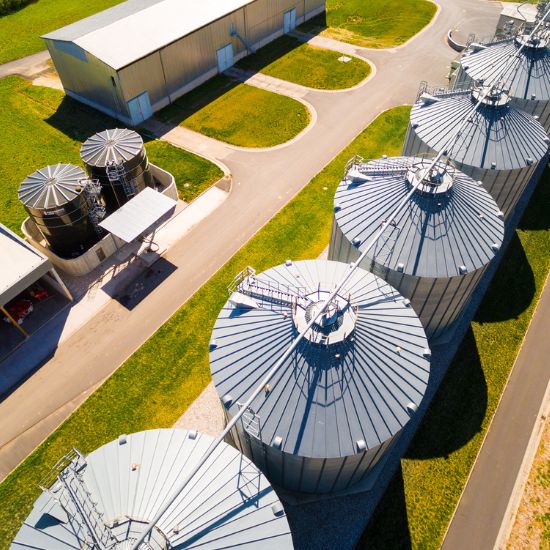
Biomethane, also called renewable natural gas, is a combustible gas that is produced from biogas that has undergone a treatment known as “upgrading.” Biomethane can help to reduce greenhouse gas emissions, by replacing conventional fuels and preventing the emission of methane coming from organic waste.
This biogas is produced through the anaerobic decomposition of organic waste, such as agricultural or livestock waste and sludge from water treatment plants. Through a purification process, known as "upgrading", impurities are removed and the proportion of methane increase until reaching a purity similar to that of conventional natural gas. Biomethane was discovered as an alternative to fossil gas, making the most of natural decomposition processes that have been used for centuries, but optimized with modern technology for its industrial use.
A technology that transforms energy
We use advanced technology to convert organic waste into biomethane through an anaerobic digestion process. This process decomposes the organic matter in the absence of oxygen, generating biogas. Then, we purify this biogas by removing impurities and carbon dioxide, thus obtaining high-quality biomethane, ready for its use in various energy applications.
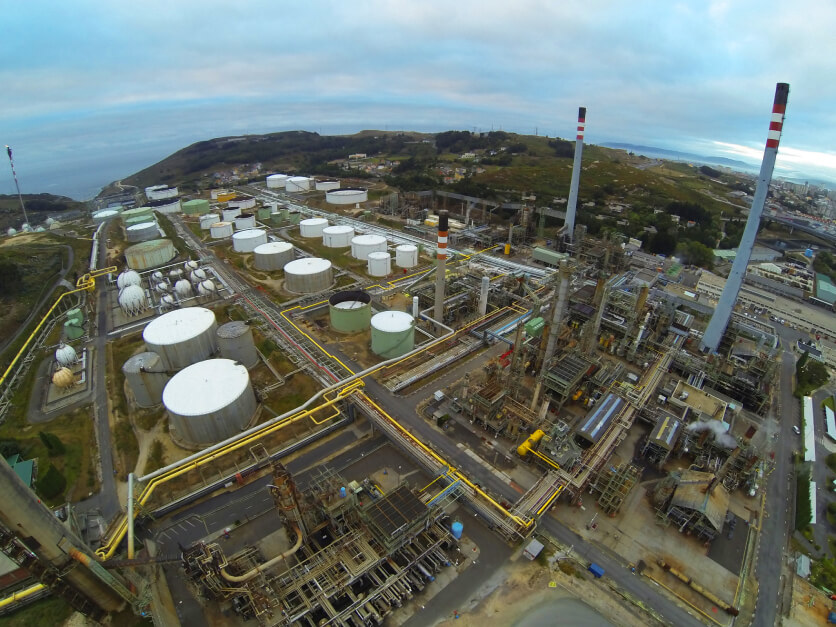
Through the purification of biogas, which removes certain impurities (such as, for example, CO2), the gas is brought to a methane ratio of around 95%. This purity grade allows its injection into the gas network since the chemical composition is exactly the same as that of conventional natural gas and its mixture with this doesn't represent any alteration in its properties. As it is the same molecule as fossil natural gas it is a renewable substitute, so the uses are the same and can be used to generate electricity and heat, as well as a raw material for the production of biofuels and to power vehicles.
Biomethane offers multiple environmental, social, and economic advantages. It significantly contributes to the reduction of greenhouse gas emissions, helping to combat climate change. Moreover, we make the most of local resources, promoting the circular economy and creating employment in rural areas. It is a comprehensive solution that promotes a sustainable and equal development.
The biomethane market in Spain is still at an early stage, with few operational plants and an absence of a specific regulatory framework that promotes it. However, there are various options to market biomethane, both within and outside the gas sector. These options are:
- Alternative to natural gas through the sale of certificates in NG network and injection
It can be injected into the gas network to replace natural gas (it is mixed with this in any proportion as they are totally equal substances) and distribute it for both residential and industrial consumption. This makes it possible to make the most of existing infrastructure. Therefore, it is a quick way to decarbonize. Any natural gas consumer can, through the consumption of biomethane, reduce their carbon footprint (without the need to make any change or investment). - It generates heat and electricity
Its combustion also serves to generate electricity and heat. In this case, biogas is usually directly used without the need to purify it to biomethane or be injected into the gas network. - Power vehicles
In fact, the use of biomethane as an advanced renewable biofuel enables an improvement in air quality as it emits less greenhouse gases, in a way that it becomes a great ally in the energy transition as a renewable fuel. The use of compressed natural gas or CNG is on the rise among, for example, urban bus fleets. It consists of using biomethane as a fuel for vehicles whether it be in compressed (bioCNG) or liquid (bioLNG) form. For this option to be developed, the offer and demand for vehicles powered by gas needs to increase, as well as the supply infrastructure. - Raw material for biohydrogen
From biomethane, hydrogen can be produced that supplies existing reforming plants in industrial complexes. This hydrogen of biological origin generated from biomethane is renewable hydrogen.
As benefits, the marketing of biomethane:
- Creates employment
The production of biomethane leads to further development of rural areas and increases the creation of jobs related to the agricultural and livestock sectors. It also contributes to the sustainability of the agro-livestock sector as its self-consumption aids in decarbonizing that sector. - Boosts the circular economy
As it allows efficient management and harnessing of organic waste, since the digestates (part of the waste that remains after the biogas is obtained) obtained are returned to the field as fertilizers. - Waste use
Using waste to produce local energy contributes to the energy dependency reduction plan in Europe (REPowerEU plan).
Our strategy
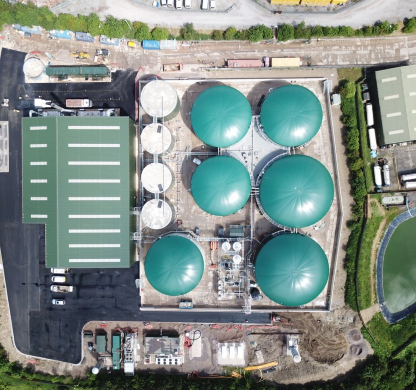
We contemplate biomethane as an alternative in industry to achieve the reduction of CO2 emissions in our roadmap. Therefore, at the start of 2024 we acquired 40% of Genia Bioenergy, a company dedicated to the development, engineering, construction, and start-up and operation of biogas and biomethane plants. With the entry of Repsol into its capital, Genia Bioenergy also ensures itself of a first-class buyer for the biomethane generated in its projects by committing to buying 100% of the renewable gas produced in its plants.
The ambition announced in our strategic plan regarding biomethane production capacity in our industrial complexes is the following:
- By 2030: between 0.7-0.8 TWh of biomethane.
Innovations in industrial transformation that are changing the game
Innovations in industrial transformation that are changing the game
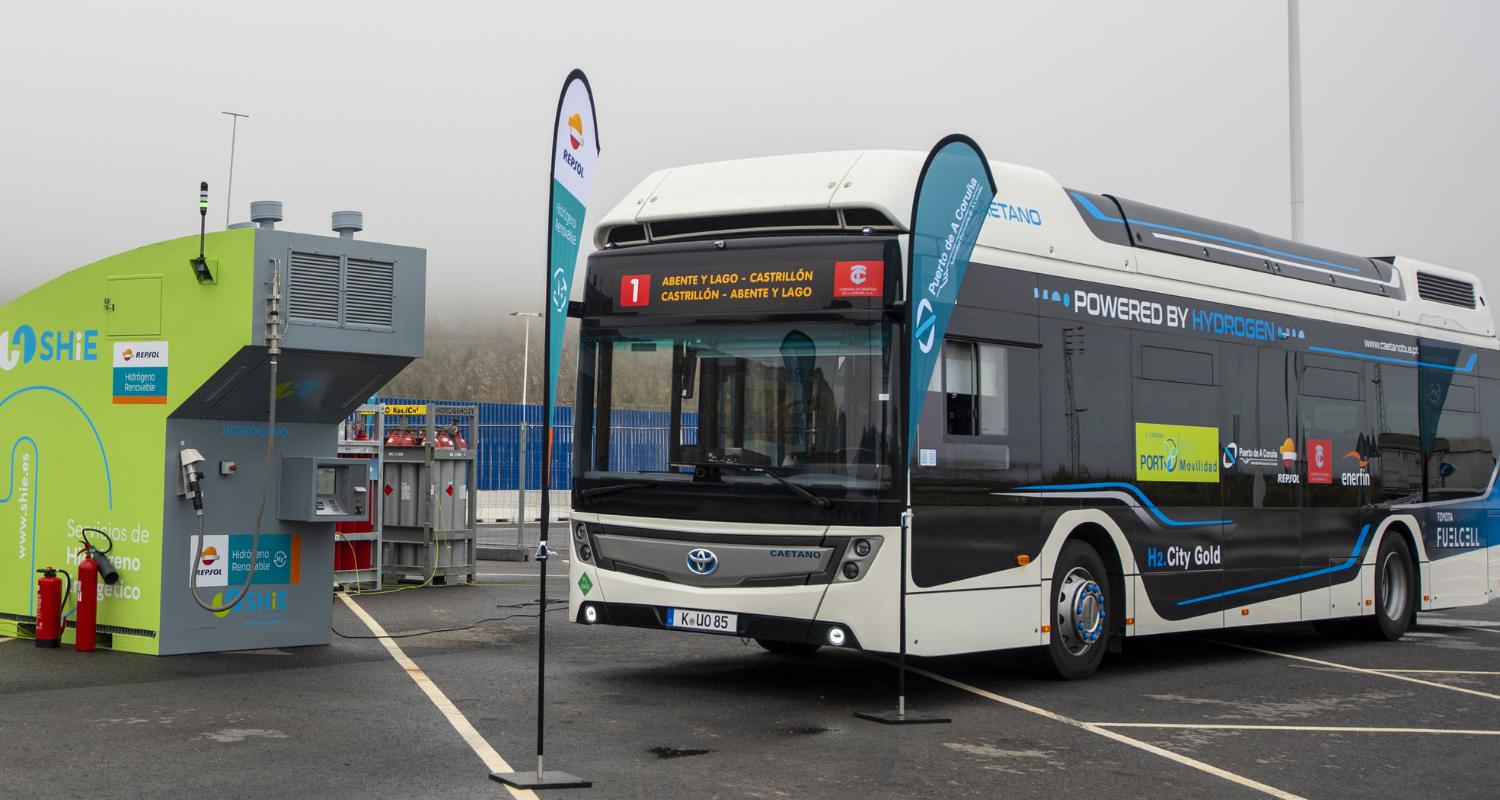
Renewable hydrogen
Renewable hydrogen
A versatile energy, the perfect ally for the decarbonization of many key sectors of the economy.

Fuels of 100% renewable origin
Fuels of 100% renewable origin
These are liquid fuels made from organic wastes, such as used cooking oil or nut shells.
Updated as of August 2026